
神经退行性疾病中的氧化还原语言:过氧化氢的氧化翻译后修饰。
The redox language in neurodegenerative diseases: oxidative post-translational modifications by hydrogen peroxide.
机构信息
Department of Biological Sciences, Faculty of Science, National University of Singapore, 14 Science Drive 4, Singapore, 117543, Singapore.
Institute of Burn Research, State Key Laboratory of Trauma, Burn and Combined Injury, Southwest Hospital, Army Medical University, No. 29 Gaotanyan Street, Shapingba District, Chongqing, 400038, China.
出版信息
Cell Death Dis. 2021 Jan 11;12(1):58. doi: 10.1038/s41419-020-03355-3.
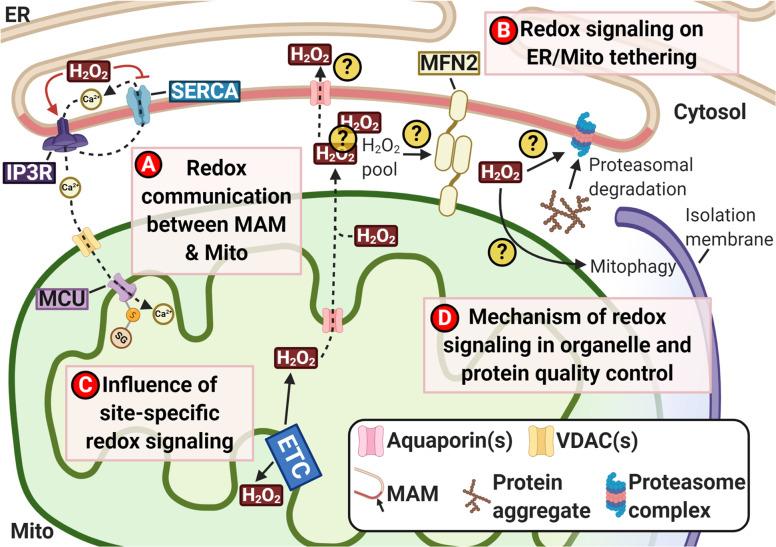
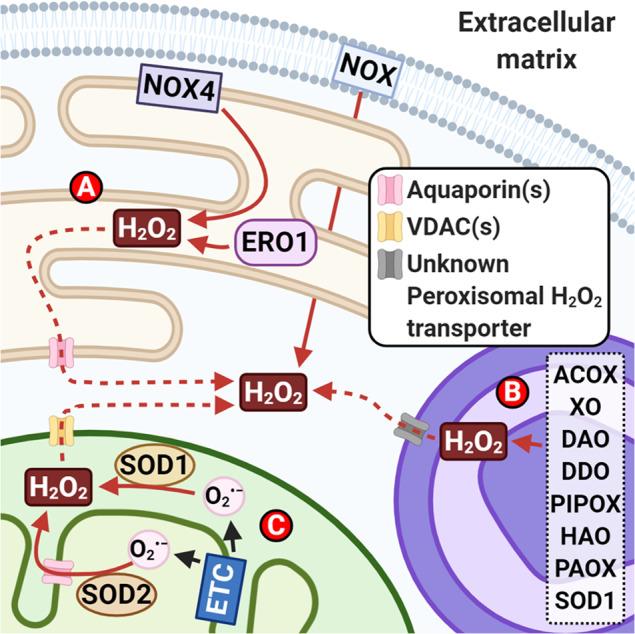
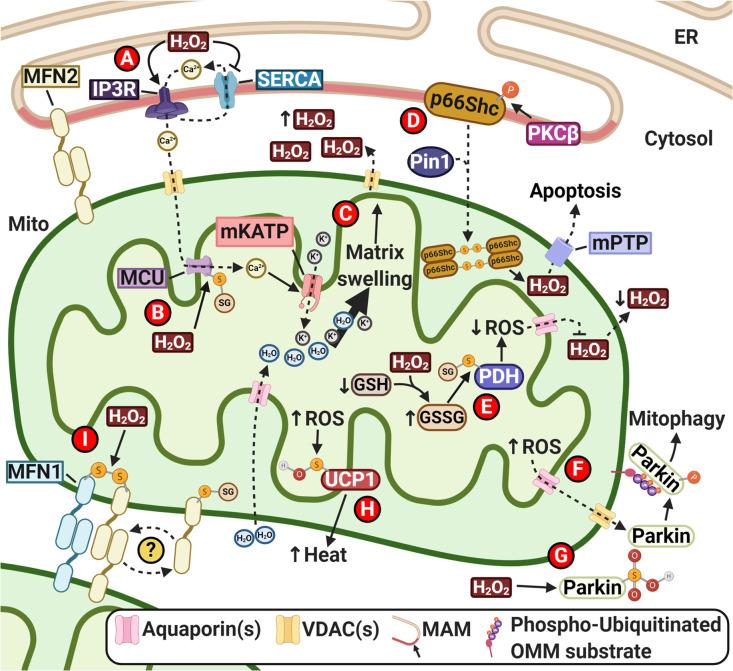
Neurodegenerative diseases, a subset of age-driven diseases, have been known to exhibit increased oxidative stress. The resultant increase in reactive oxygen species (ROS) has long been viewed as a detrimental byproduct of many cellular processes. Despite this, therapeutic approaches using antioxidants were deemed unsuccessful in circumventing neurodegenerative diseases. In recent times, it is widely accepted that these toxic by-products could act as secondary messengers, such as hydrogen peroxide (HO), to drive important signaling pathways. Notably, mitochondria are considered one of the major producers of ROS, especially in the production of mitochondrial HO. As a secondary messenger, cellular HO can initiate redox signaling through oxidative post-translational modifications (oxPTMs) on the thiol group of the amino acid cysteine. With the current consensus that cellular ROS could drive important biological signaling pathways through redox signaling, researchers have started to investigate the role of cellular ROS in the pathogenesis of neurodegenerative diseases. Moreover, mitochondrial dysfunction has been linked to various neurodegenerative diseases, and recent studies have started to focus on the implications of mitochondrial ROS from dysfunctional mitochondria on the dysregulation of redox signaling. Henceforth, in this review, we will focus our attention on the redox signaling of mitochondrial ROS, particularly on mitochondrial HO, and its potential implications with neurodegenerative diseases.
神经退行性疾病是年龄相关疾病的一个子集,已知其表现出氧化应激增加。活性氧(ROS)的增加长期以来一直被视为许多细胞过程的有害副产物。尽管如此,使用抗氧化剂的治疗方法被认为无法避免神经退行性疾病。最近,人们普遍认为这些有毒副产物可以作为第二信使,如过氧化氢(HO),来驱动重要的信号通路。值得注意的是,线粒体被认为是 ROS 的主要产生者之一,尤其是在线粒体 HO 的产生中。作为第二信使,细胞 HO 可以通过氨基酸半胱氨酸的巯基的氧化翻译后修饰(oxPTMs)启动氧化还原信号。由于目前的共识是细胞 ROS 可以通过氧化还原信号驱动重要的生物学信号通路,研究人员已经开始研究细胞 ROS 在神经退行性疾病发病机制中的作用。此外,线粒体功能障碍与各种神经退行性疾病有关,最近的研究开始关注功能失调线粒体的线粒体 ROS 对氧化还原信号失调的影响。因此,在这篇综述中,我们将重点关注线粒体 ROS 的氧化还原信号,特别是线粒体 HO,及其与神经退行性疾病的潜在关联。

 Zotero 插件