
SAveRUNNER:一种基于网络的药物重定位算法及其在 COVID-19 中的应用。
SAveRUNNER: A network-based algorithm for drug repurposing and its application to COVID-19.
机构信息
Institute for Systems Analysis and Computer Science "Antonio Ruberti", National Research Council, Rome, Italy.
Fondazione per la Medicina Personalizzata, Genova, Italy.
出版信息
PLoS Comput Biol. 2021 Feb 5;17(2):e1008686. doi: 10.1371/journal.pcbi.1008686. eCollection 2021 Feb.
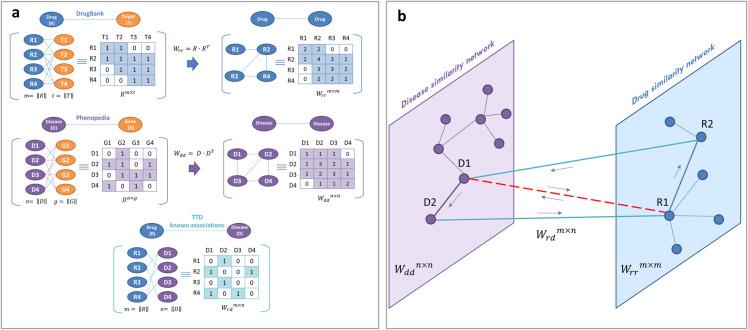
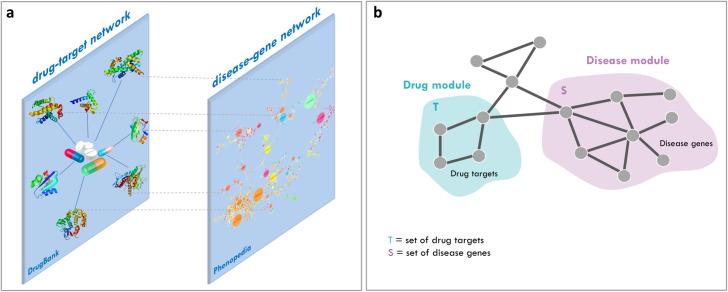
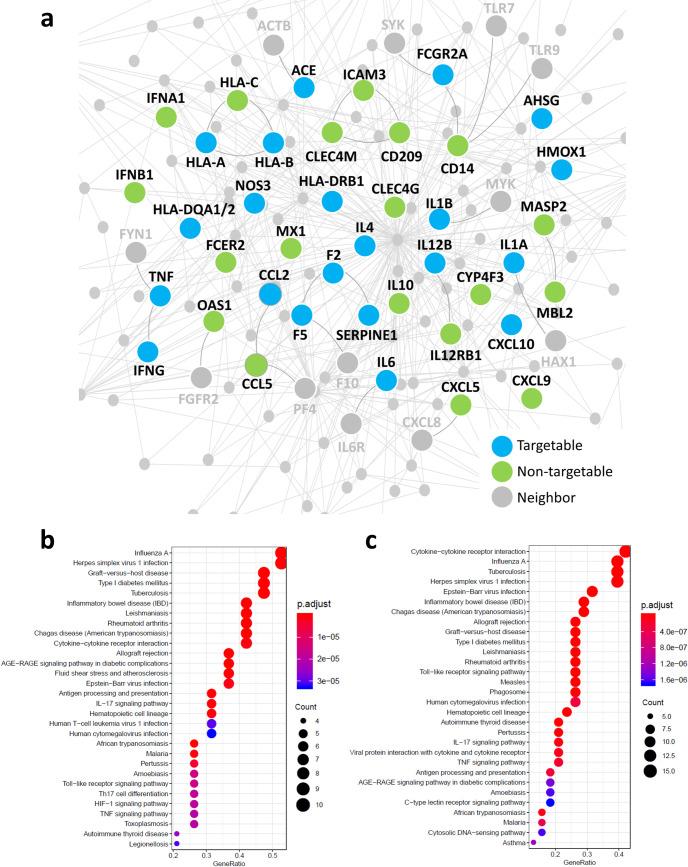
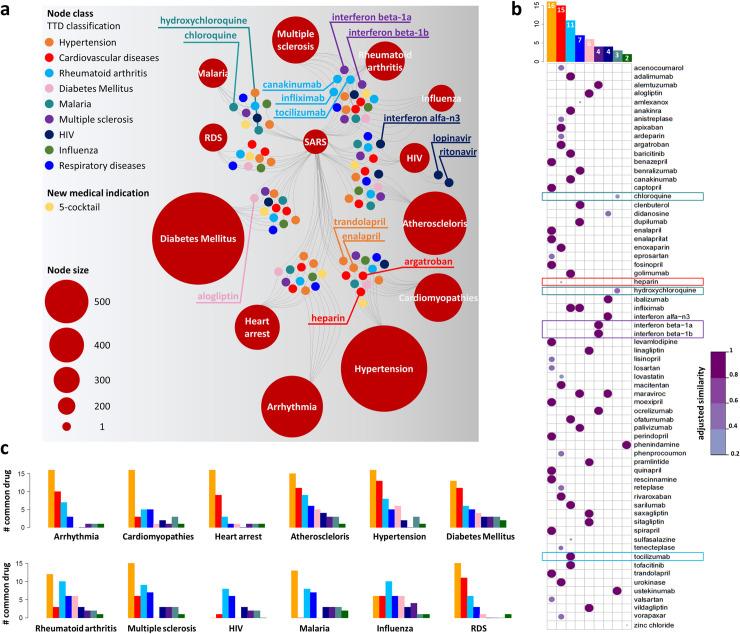
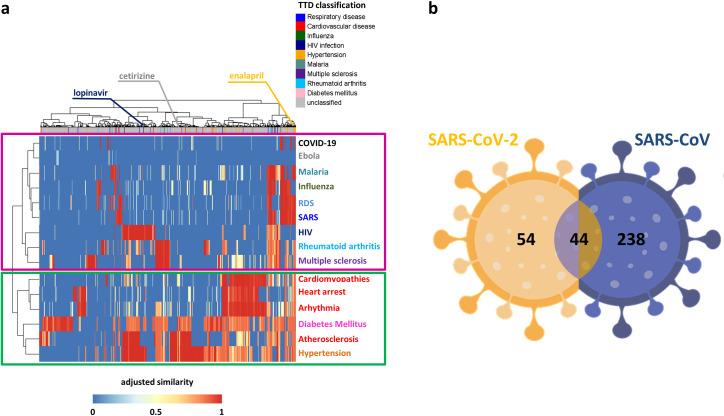
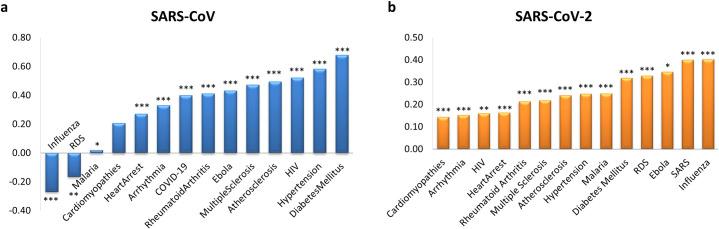
The novelty of new human coronavirus COVID-19/SARS-CoV-2 and the lack of effective drugs and vaccines gave rise to a wide variety of strategies employed to fight this worldwide pandemic. Many of these strategies rely on the repositioning of existing drugs that could shorten the time and reduce the cost compared to de novo drug discovery. In this study, we presented a new network-based algorithm for drug repositioning, called SAveRUNNER (Searching off-lAbel dRUg aNd NEtwoRk), which predicts drug-disease associations by quantifying the interplay between the drug targets and the disease-specific proteins in the human interactome via a novel network-based similarity measure that prioritizes associations between drugs and diseases locating in the same network neighborhoods. Specifically, we applied SAveRUNNER on a panel of 14 selected diseases with a consolidated knowledge about their disease-causing genes and that have been found to be related to COVID-19 for genetic similarity (i.e., SARS), comorbidity (e.g., cardiovascular diseases), or for their association to drugs tentatively repurposed to treat COVID-19 (e.g., malaria, HIV, rheumatoid arthritis). Focusing specifically on SARS subnetwork, we identified 282 repurposable drugs, including some the most rumored off-label drugs for COVID-19 treatments (e.g., chloroquine, hydroxychloroquine, tocilizumab, heparin), as well as a new combination therapy of 5 drugs (hydroxychloroquine, chloroquine, lopinavir, ritonavir, remdesivir), actually used in clinical practice. Furthermore, to maximize the efficiency of putative downstream validation experiments, we prioritized 24 potential anti-SARS-CoV repurposable drugs based on their network-based similarity values. These top-ranked drugs include ACE-inhibitors, monoclonal antibodies (e.g., anti-IFNγ, anti-TNFα, anti-IL12, anti-IL1β, anti-IL6), and thrombin inhibitors. Finally, our findings were in-silico validated by performing a gene set enrichment analysis, which confirmed that most of the network-predicted repurposable drugs may have a potential treatment effect against human coronavirus infections.
新型人类冠状病毒 COVID-19/SARS-CoV-2 的新颖性以及缺乏有效药物和疫苗,引发了广泛的策略来对抗这场全球大流行。这些策略中有许多依赖于现有药物的再定位,这可以比从头发现药物缩短时间并降低成本。在这项研究中,我们提出了一种新的基于网络的药物重定位算法,称为 SAveRUNNER(搜索非标签药物和网络),它通过一种新的基于网络的相似性度量来量化药物靶点与人类相互作用组中特定疾病的蛋白质之间的相互作用,从而预测药物-疾病关联,该相似性度量优先考虑位于同一网络邻域中的药物与疾病之间的关联。具体来说,我们应用 SAveRUNNER 对一组 14 种选定疾病进行了分析,这些疾病的致病基因已有综合的知识,并因遗传相似性(即 SARS)、合并症(如心血管疾病)或与COVID-19 相关而被发现与 COVID-19 有关(例如,疟疾、HIV、类风湿关节炎)。特别关注 SARS 子网络,我们确定了 282 种可再利用的药物,其中包括一些最受传闻的 COVID-19 治疗方法的非标签药物(例如,氯喹、羟氯喹、托珠单抗、肝素),以及一种新的 5 种药物联合治疗(羟氯喹、氯喹、洛匹那韦、利托那韦、瑞德西韦),实际上已在临床实践中使用。此外,为了最大限度地提高下游验证实验的效率,我们根据网络相似性值对 24 种潜在的抗 SARS-CoV 再利用药物进行了优先级排序。这些排名靠前的药物包括 ACE 抑制剂、单克隆抗体(例如,抗 IFNγ、抗 TNFα、抗 IL12、抗 IL1β、抗 IL6)和凝血酶抑制剂。最后,我们通过执行基因集富集分析对我们的发现进行了计算机模拟验证,该分析证实了大多数网络预测的可再利用药物可能对人类冠状病毒感染具有潜在的治疗作用。



 Zotero 插件