
钙在快速控制神经元糖酵解和三羧酸循环中的独特作用。
The distinct roles of calcium in rapid control of neuronal glycolysis and the tricarboxylic acid cycle.
机构信息
Department of Neurobiology, Harvard Medical School, Boston, United States.
出版信息
Elife. 2021 Feb 8;10:e64821. doi: 10.7554/eLife.64821.
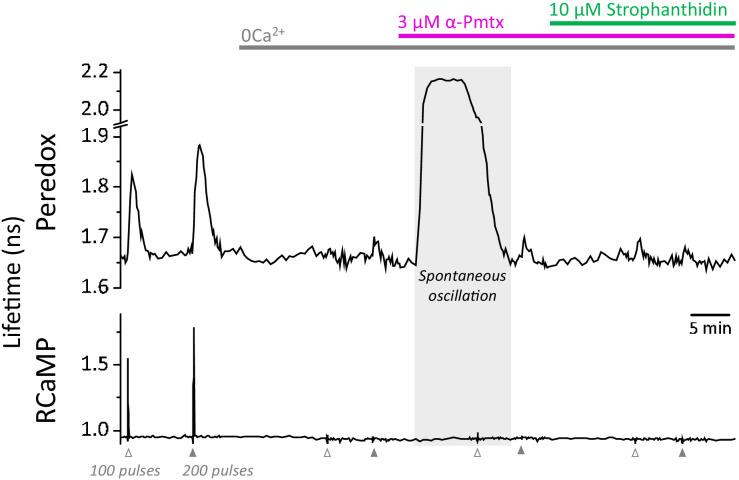
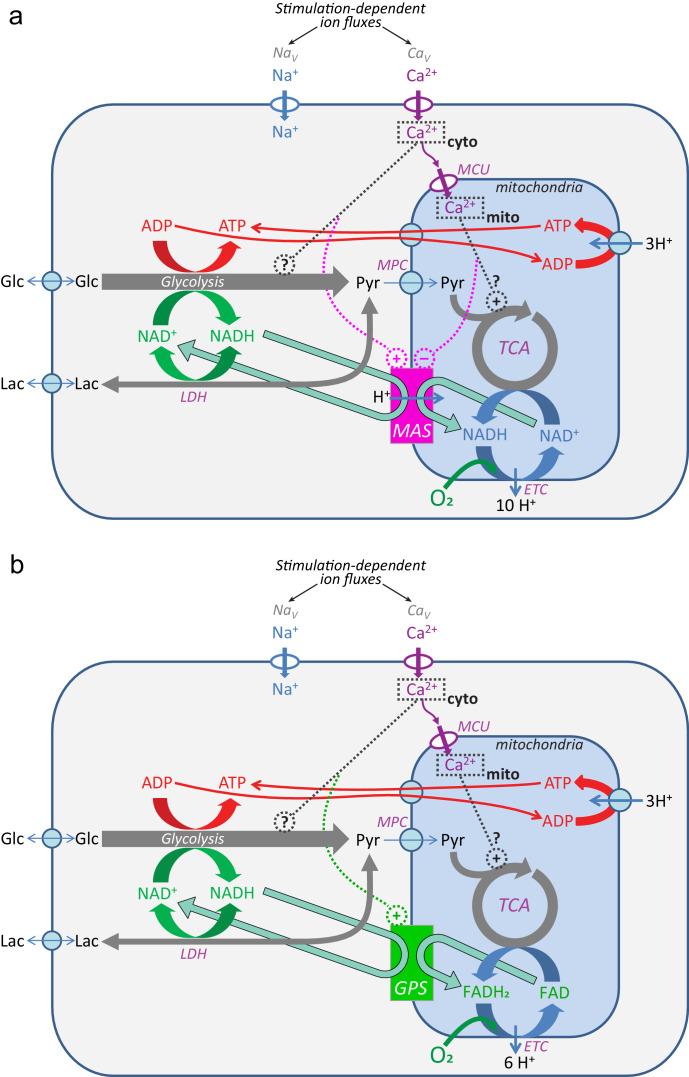
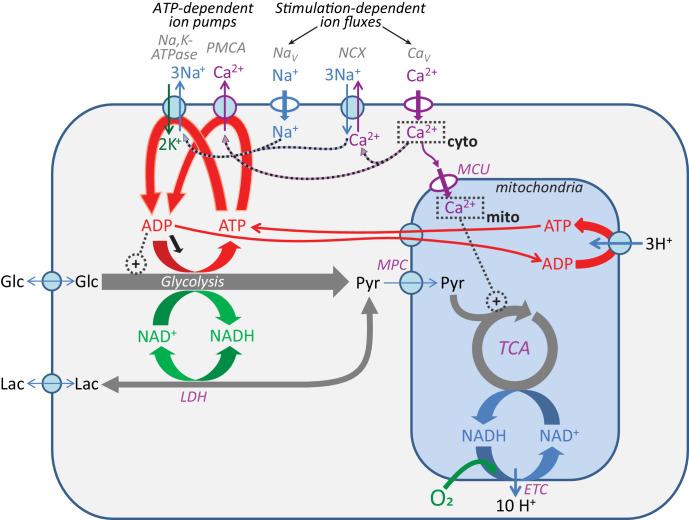
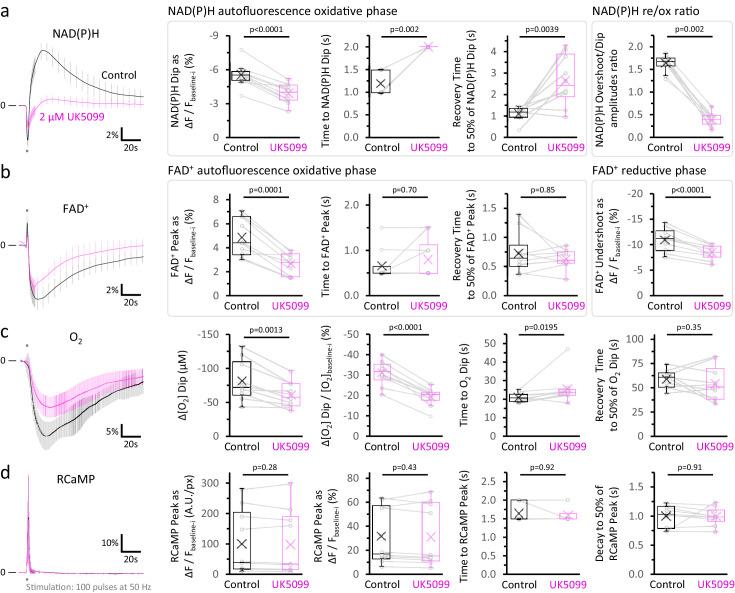
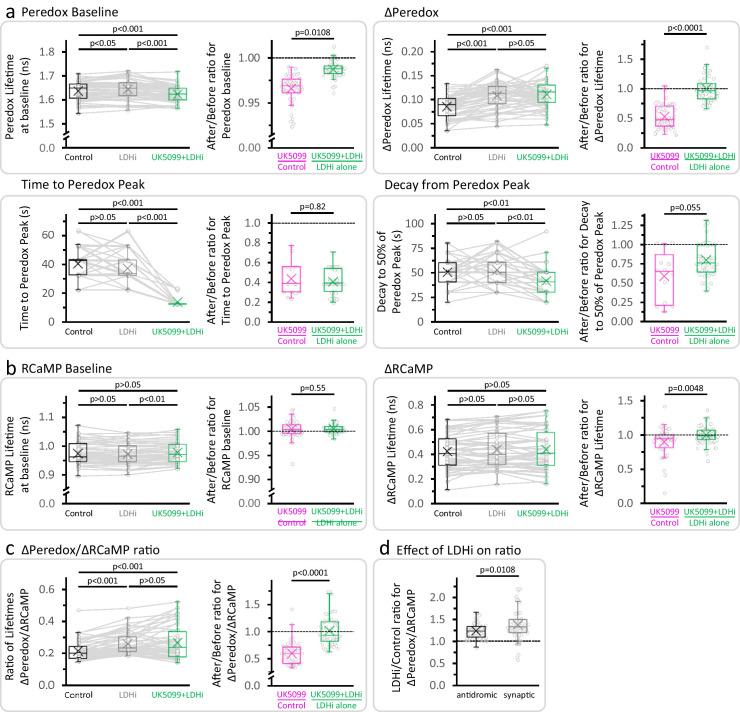
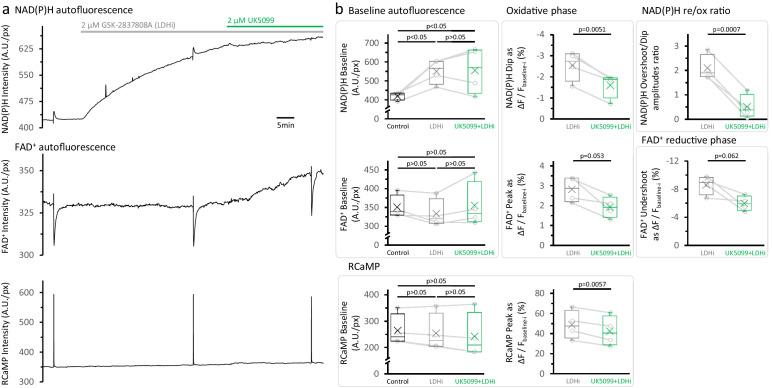
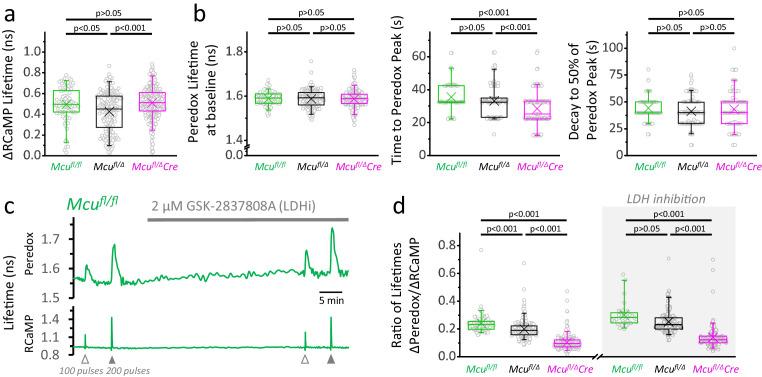
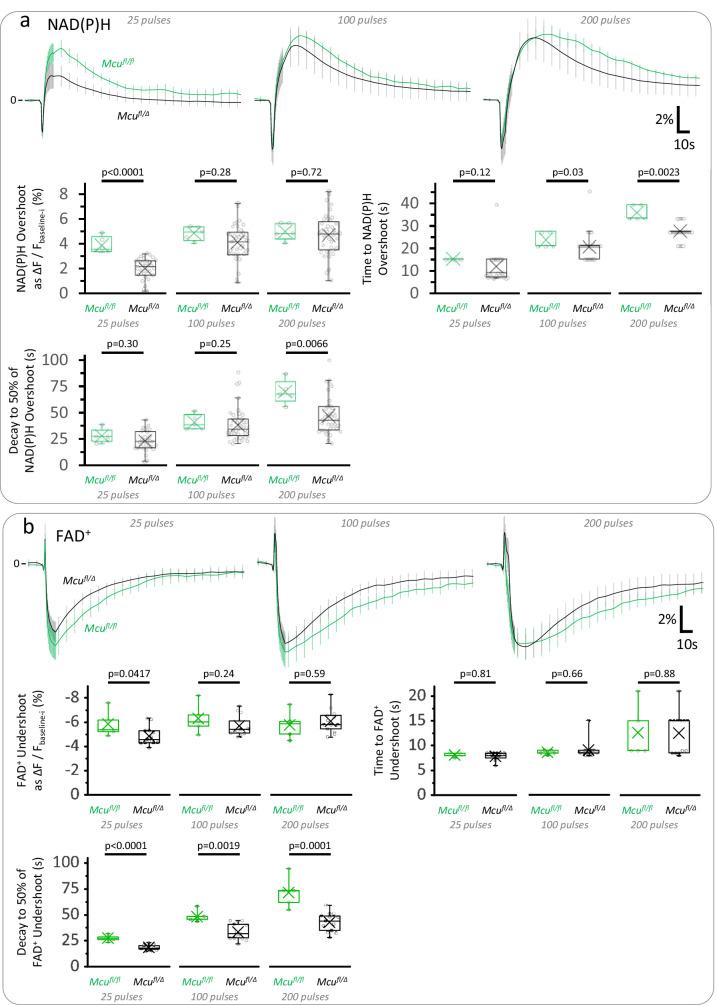
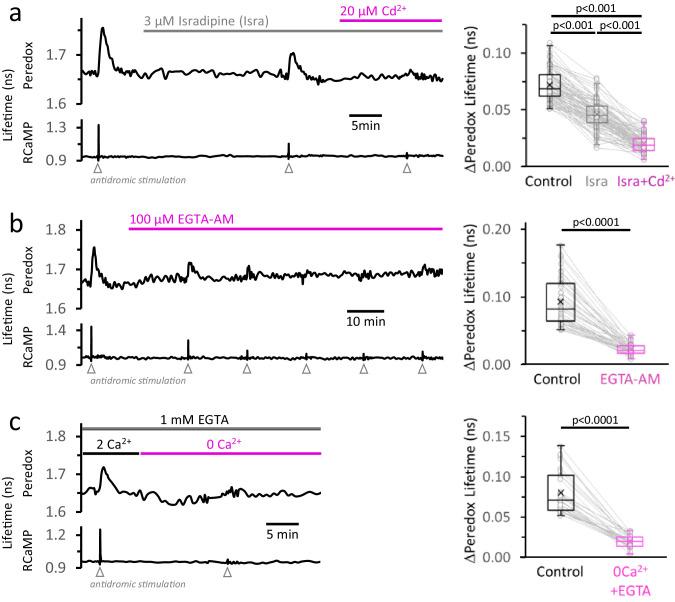
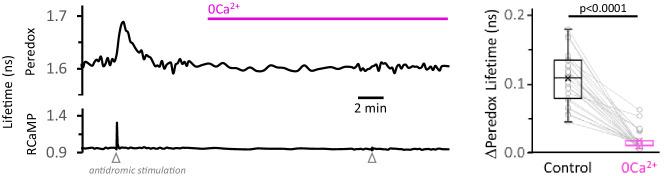
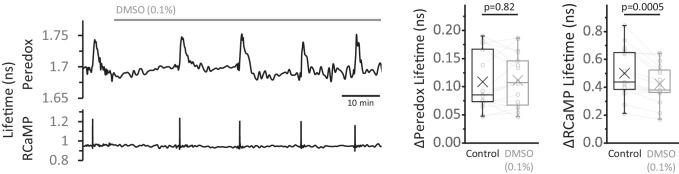
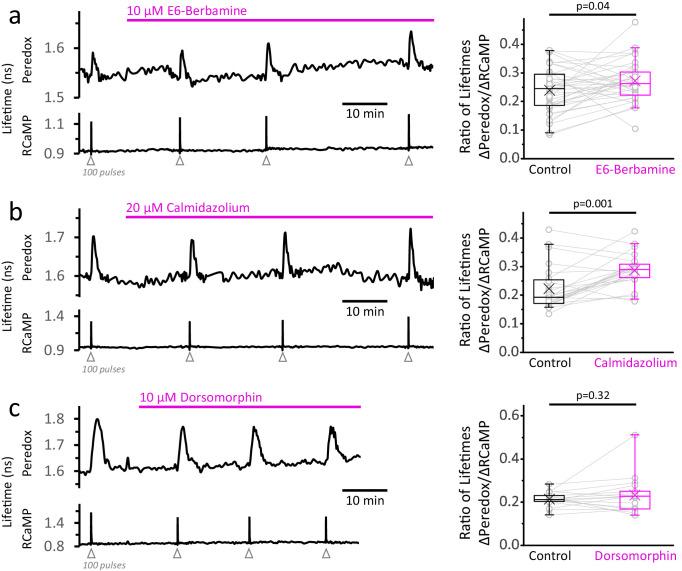
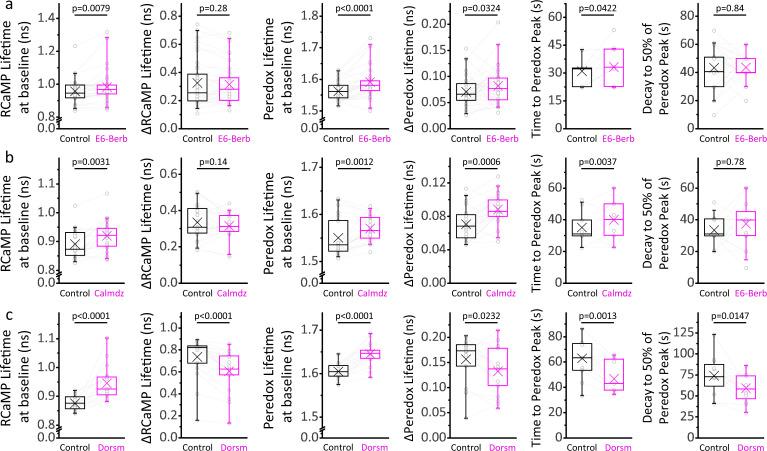
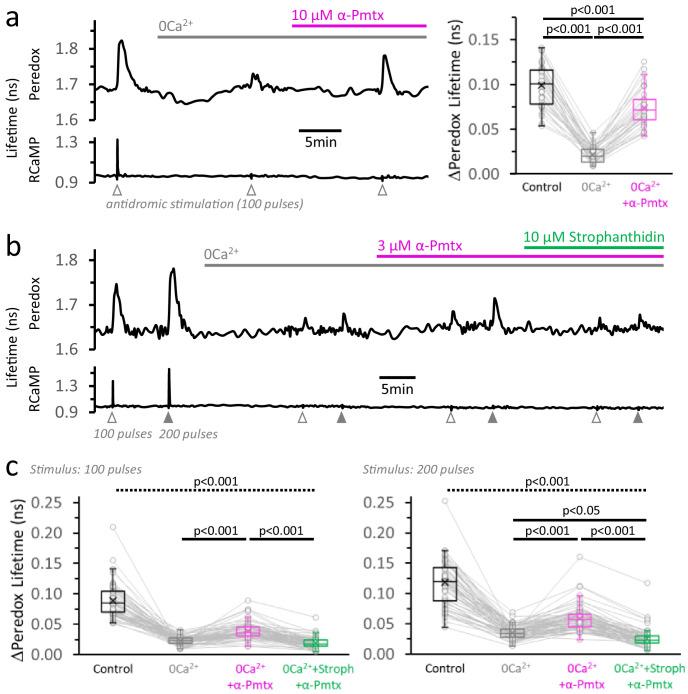
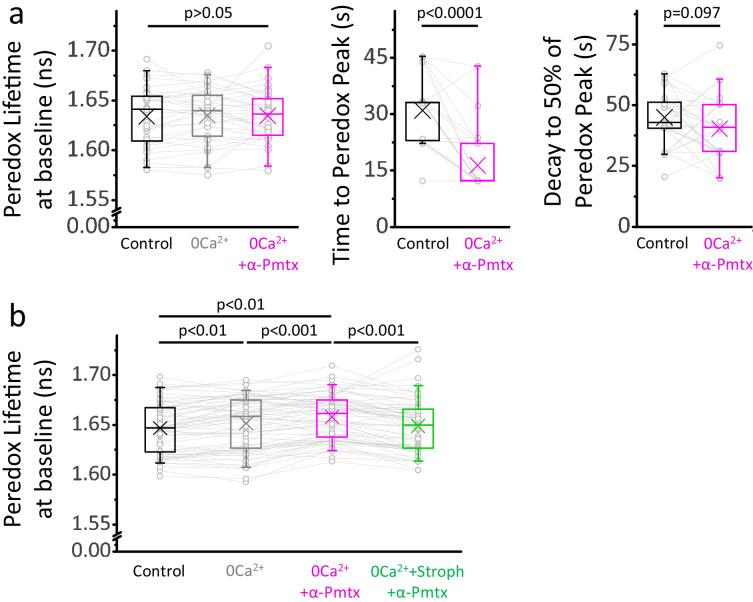
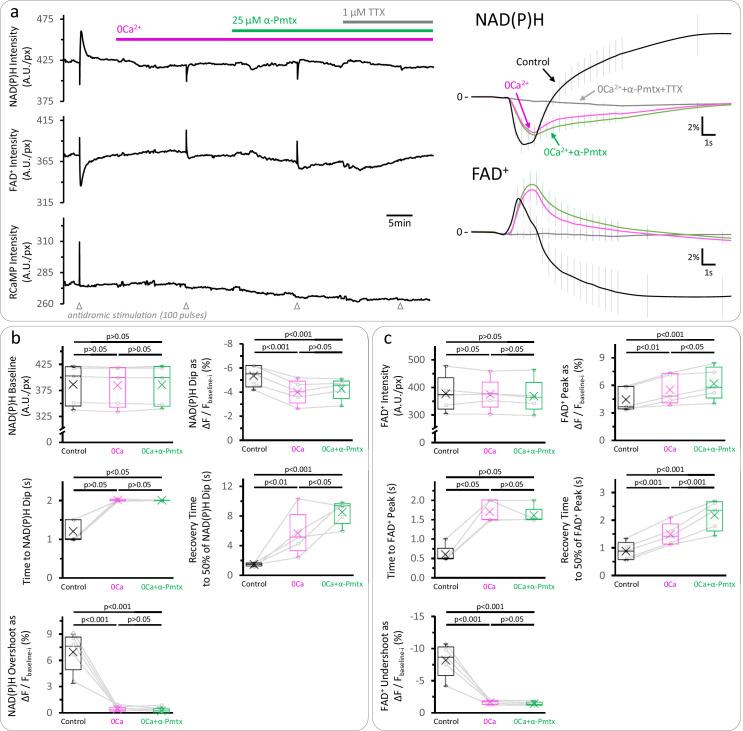
When neurons engage in intense periods of activity, the consequent increase in energy demand can be met by the coordinated activation of glycolysis, the tricarboxylic acid (TCA) cycle, and oxidative phosphorylation. However, the trigger for glycolytic activation is unknown and the role for Ca in the mitochondrial responses has been debated. Using genetically encoded fluorescent biosensors and NAD(P)H autofluorescence imaging in acute hippocampal slices, here we find that Ca uptake into the mitochondria is responsible for the buildup of mitochondrial NADH, probably through Ca activation of dehydrogenases in the TCA cycle. In the cytosol, we do not observe a role for the Ca/calmodulin signaling pathway, or AMPK, in mediating the rise in glycolytic NADH in response to acute stimulation. Aerobic glycolysis in neurons is triggered mainly by the energy demand resulting from either Na or Ca extrusion, and in mouse dentate granule cells, Ca creates the majority of this demand.
当神经元经历高强度的活动期时,通过协调糖酵解、三羧酸 (TCA) 循环和氧化磷酸化的激活,可以满足随之而来的能量需求增加。然而,糖酵解激活的触发因素尚不清楚,Ca 在线粒体反应中的作用也存在争议。在这里,我们使用遗传编码的荧光生物传感器和急性海马切片中的 NAD(P)H 自发荧光成像,发现 Ca 进入线粒体摄取负责线粒体 NADH 的积累,可能是通过 Ca 激活 TCA 循环中的脱氢酶。在细胞质中,我们没有观察到 Ca/钙调蛋白信号通路或 AMPK 在介导急性刺激时胞质中糖酵解 NADH 升高中的作用。神经元中的有氧糖酵解主要由 Na 或 Ca 外排引起的能量需求触发,在小鼠齿状颗粒细胞中,Ca 产生了大部分这种需求。







 Zotero 插件