
氨酰-tRNA 合成酶作为抗菌药物发现的有价值靶点。
Aminoacyl-tRNA Synthetases as Valuable Targets for Antimicrobial Drug Discovery.
机构信息
KU Leuven, Rega Institute for Medical Research, Medicinal Chemistry, Herestraat 49-box 1041, 3000 Leuven, Belgium.
KU Leuven, Biocrystallography, Department of Pharmaceutical and Pharmacological Sciences, Herestraat 49-box 822, 3000 Leuven, Belgium.
出版信息
Int J Mol Sci. 2021 Feb 10;22(4):1750. doi: 10.3390/ijms22041750.
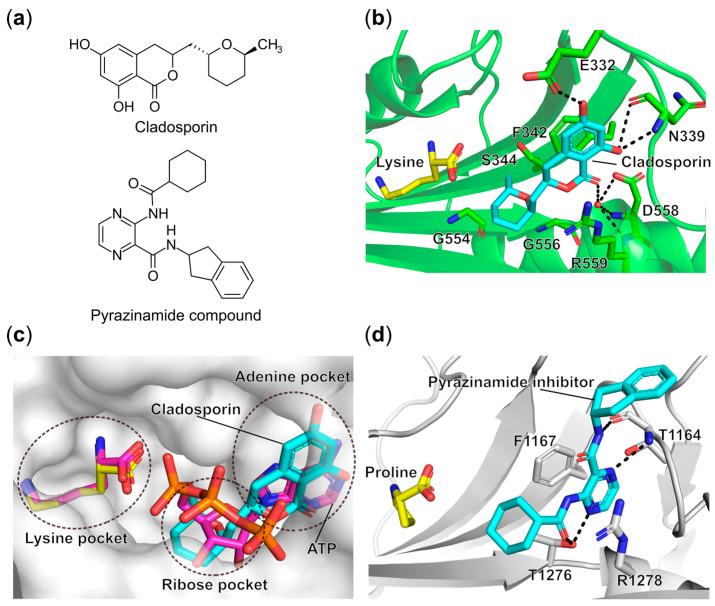
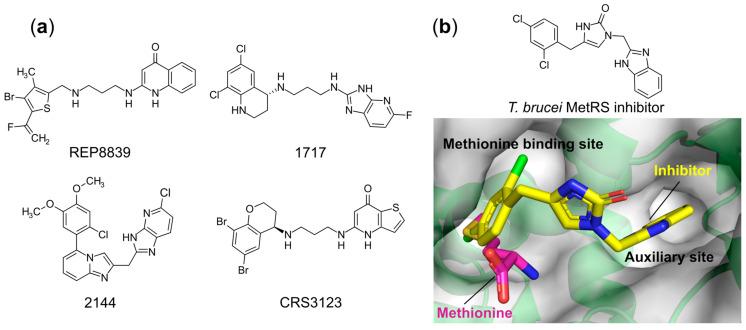
Aminoacyl-tRNA synthetases (aaRSs) catalyze the esterification of tRNA with a cognate amino acid and are essential enzymes in all three kingdoms of life. Due to their important role in the translation of the genetic code, aaRSs have been recognized as suitable targets for the development of small molecule anti-infectives. In this review, following a concise discussion of aaRS catalytic and proof-reading activities, the various inhibitory mechanisms of reported natural and synthetic aaRS inhibitors are discussed. Using the expanding repository of ligand-bound X-ray crystal structures, we classified these compounds based on their binding sites, focusing on their ability to compete with the association of one, or more of the canonical aaRS substrates. In parallel, we examined the determinants of species-selectivity and discuss potential resistance mechanisms of some of the inhibitor classes. Combined, this structural perspective highlights the opportunities for further exploration of the aaRS enzyme family as antimicrobial targets.
氨酰-tRNA 合成酶(aaRSs)催化 tRNA 与相应氨基酸的酯化反应,是所有三个生命领域的必需酶。由于它们在遗传密码翻译中的重要作用,aaRS 已被认为是小分子抗感染药物开发的合适靶点。在简要讨论 aaRS 催化和校对活性之后,本文讨论了报道的天然和合成 aaRS 抑制剂的各种抑制机制。利用不断扩展的配体结合 X 射线晶体结构库,我们根据它们的结合位点对这些化合物进行分类,重点关注它们与一个或多个典型 aaRS 底物的结合竞争能力。同时,我们研究了物种选择性的决定因素,并讨论了一些抑制剂类别的潜在耐药机制。综合来看,这种结构观点突出了进一步探索 aaRS 酶家族作为抗菌靶标的机会。






 Zotero 插件