
关于宿主、病原体和环境临界点的出现、传播和抵抗。
On the emergence, spread and resistance of : host, pathogen and environmental tipping points.
机构信息
Department of Medical Microbiology, Postgraduate Institute of Medical Education and Research, Chandigarh, India.
出版信息
J Med Microbiol. 2021 Mar;70(3). doi: 10.1099/jmm.0.001318. Epub 2021 Feb 18.
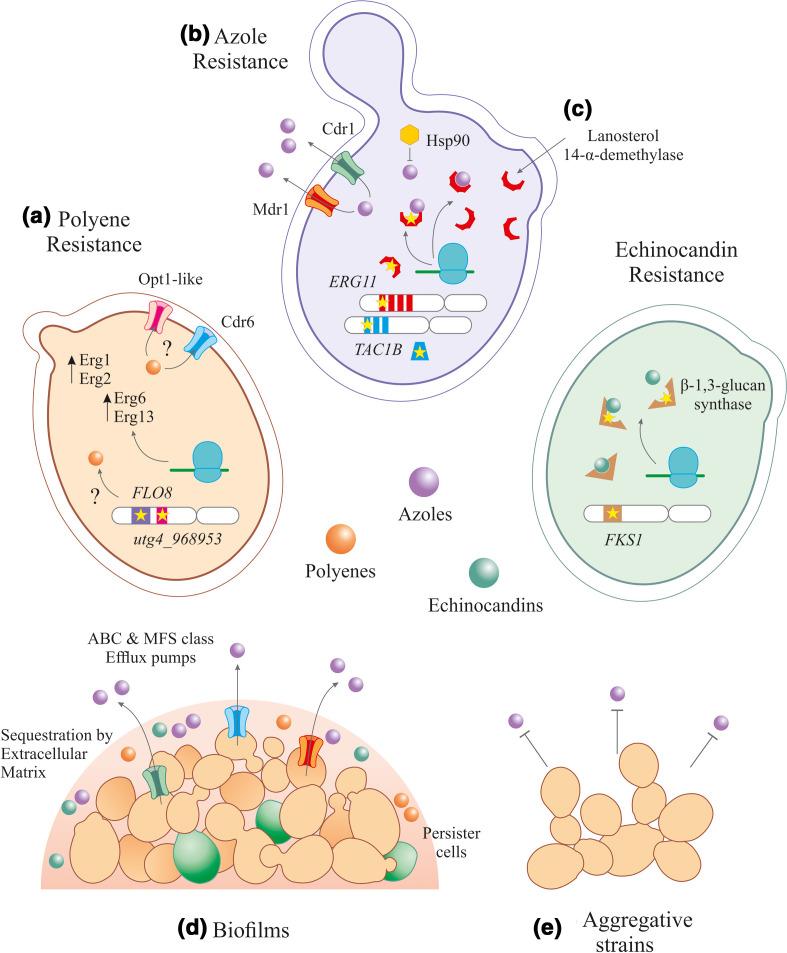
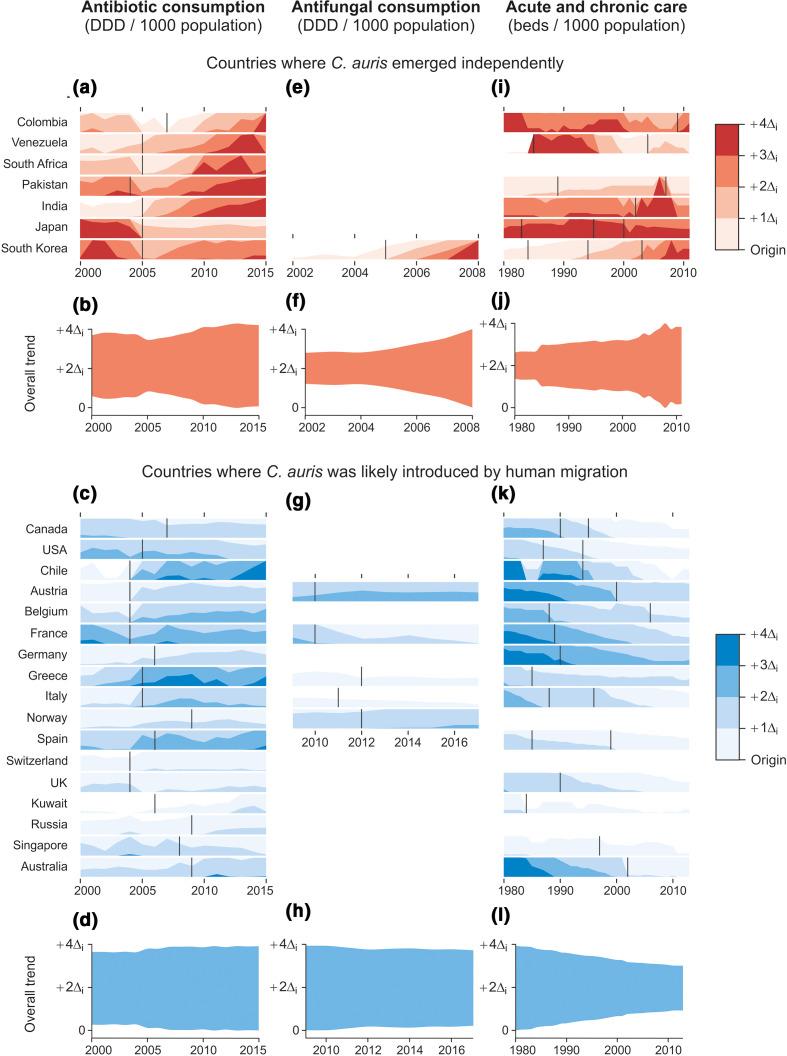
Over a decade ago, a multidrug-resistant nosocomial fungus emerged worldwide and has since become a significant challenge for clinicians and microbiologists across the globe. A resilient pathogen, survives harsh disinfectants, desiccation and high-saline environments. It readily colonizes the inanimate environment, susceptible patients and causes invasive infections that exact a high toll. Prone to misidentification by conventional microbiology techniques, rapidly acquires multiple genetic determinants that confer multidrug resistance. Whole-genome sequencing has identified four distinct clades of , and possibly a fifth one, in circulation. Even as our understanding of this formidable pathogen grows, the nearly simultaneous emergence of its distinct clades in different parts of the world, followed by their rapid global spread, remains largely unexplained. We contend that certain host-pathogen-environmental factors have been evolving along adverse trajectories for the last few decades, especially in regions where originally appeared, until these factors possibly reached a tipping point to compel the evolution, emergence and spread of . Comparative genomics has helped identify several resistance mechanisms in that are analogous to those seen in other species, but they fail to fully explain how high-level resistance rapidly develops in this yeast. A better understanding of these unresolved aspects is essential not only for the effective management of patients, hospital outbreaks and its global spread but also for forecasting and tackling novel resistant pathogens that might emerge in the future. In this review, we discuss the emergence, spread and resistance of , and propose future investigations to tackle this resilient pathogen.
十多年前,一种多药耐药的医院真菌在全球范围内出现,此后一直是全球临床医生和微生物学家面临的重大挑战。这种具有弹性的病原体能够在苛刻的消毒剂、干燥和高盐环境中存活。它很容易在无生命的环境、易感患者中定植,并引起侵袭性感染,造成很高的死亡率。由于常规微生物学技术容易出现错误识别,它迅速获得了多种赋予多药耐药性的遗传决定因素。全基因组测序已经确定了在循环中的四个不同的分支,可能还有第五个分支。尽管我们对这种强大的病原体的了解不断增加,但它的不同分支在世界不同地区几乎同时出现,并迅速在全球传播,这在很大程度上仍然无法解释。我们认为,在过去几十年中,某些宿主-病原体-环境因素一直在沿着不利的轨迹演变,尤其是在最初出现的地区,直到这些因素可能达到一个临界点,迫使这种病原体发生进化、出现和传播。比较基因组学有助于确定在这种酵母中存在的几种类似于其他真菌物种中看到的耐药机制,但它们无法完全解释高水平耐药性如何在这种酵母中迅速发展。更好地理解这些未解决的方面不仅对于有效管理患者、医院爆发及其全球传播至关重要,而且对于预测和应对未来可能出现的新型耐药病原体也至关重要。在这篇综述中,我们讨论了这种真菌的出现、传播和耐药性,并提出了未来的研究来应对这种具有弹性的病原体。


 Zotero 插件