
金银花水提物在体外和体内抑制 EV71 复制和发病机制,并预测可抑制 SARS-CoV-2。
Honeysuckle Aqueous Extracts Induced Suppress EV71 Replication and Pathogenesis In Vitro and In Vivo and Is Predicted to Inhibit SARS-CoV-2.
机构信息
Department of Medical Research, Ditmanson Medical Foundation Chia-Yi Christian Hospital, Chiayi 600, Taiwan.
Department of Microbiology and Immunology, School of Medicine, College of Medicine, Kaohsiung Medical University, Kaohsiung 807, Taiwan.
出版信息
Viruses. 2021 Feb 16;13(2):308. doi: 10.3390/v13020308.
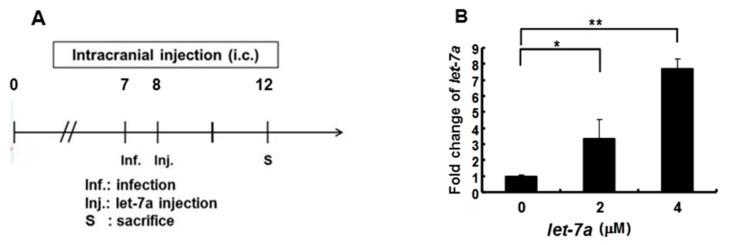
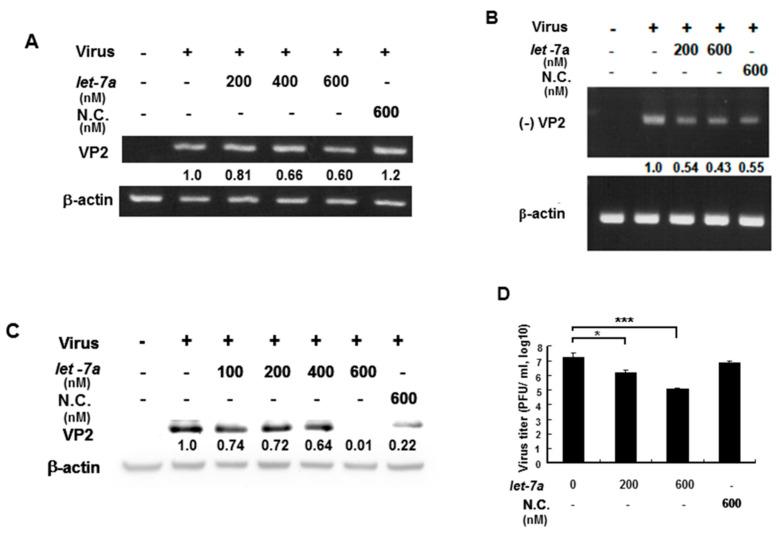
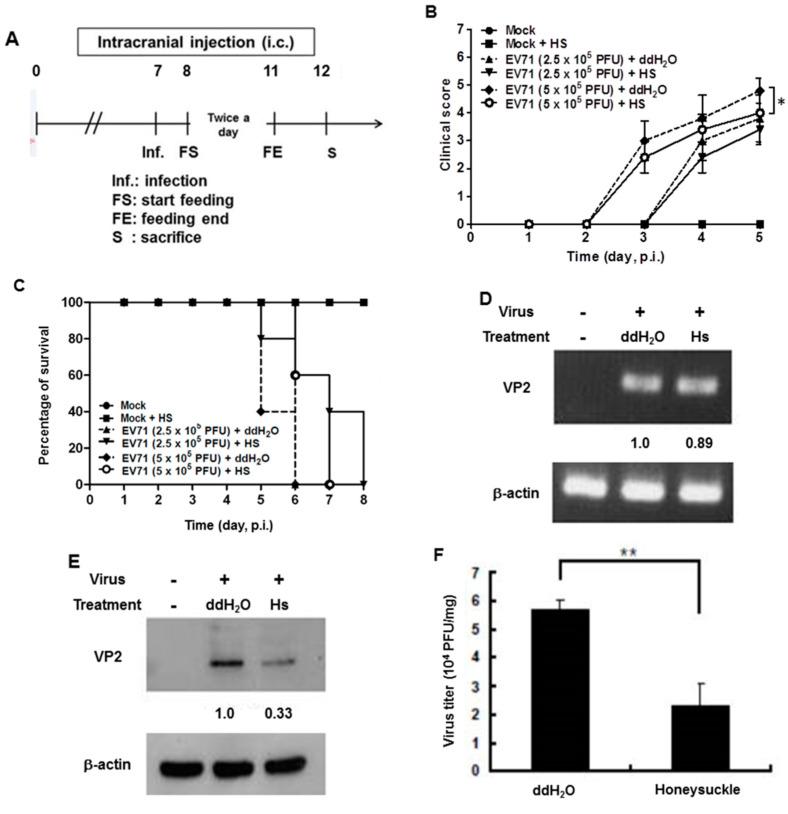
Honeysuckle ( Thunb) is a traditional Chinese medicine (TCM) with an antipathogenic activity. MicroRNAs (miRNAs) are small non-coding RNA molecules that are ubiquitously expressed in cells. Endogenous miRNA may function as an innate response to block pathogen invasion. The miRNA expression profiles of both mice and humans after the ingestion of honeysuckle were obtained. Fifteen overexpressed miRNAs overlapped and were predicted to be capable of targeting three viruses: dengue virus (DENV), enterovirus 71 (EV71) and SARS-CoV-2. Among them, was examined to be capable of targeting the EV71 RNA genome by reporter assay and Western blotting. Moreover, honeysuckle-induced suppression of EV71 RNA and protein expression as well as viral replication were investigated both in vitro and in vivo. We demonstrated that targeted EV71 at the predicted sequences using luciferase reporter plasmids as well as two infectious replicons (pMP4-y-5 and pTOPO-4643). The suppression of EV71 replication and viral load was demonstrated in two cell lines by luciferase activity, RT-PCR, real-time PCR, Western blotting and plaque assay. Furthermore, EV71-infected suckling mice fed honeysuckle extract or inoculated with showed decreased clinical scores and a prolonged survival time accompanied with decreased viral RNA, protein expression and virus titer. The ingestion of honeysuckle attenuates EV71 replication and related pathogenesis partially through the upregulation of expression both in vitro and in vivo. Our previous report and the current findings imply that both honeysuckle and upregulated can execute a suppressive function against the replication of DENV and EV71. Taken together, this evidence indicates that honeysuckle can induce the expression of and that this miRNA as well as 11 other miRNAs have great potential to prevent and suppress EV71 replication.
金银花(忍冬)是一种具有抗病原体活性的传统中药(TCM)。MicroRNAs(miRNAs)是广泛存在于细胞中的小非编码 RNA 分子。内源性 miRNA 可能作为一种先天反应来阻止病原体的入侵。获得了小鼠和人类摄入金银花后的 miRNA 表达谱。15 个过表达 miRNA 重叠,并预测能够靶向三种病毒:登革热病毒(DENV)、肠道病毒 71(EV71)和 SARS-CoV-2。其中,通过报告基因测定和 Western blot 检测到 能够靶向 EV71 RNA 基因组。此外,还研究了金银花在体外和体内对 EV71 RNA 和蛋白表达以及病毒复制的诱导抑制作用。我们证明,使用荧光素酶报告质粒以及两个感染性复制子(pMP4-y-5 和 pTOPO-4643),在预测序列上靶向 EV71。通过荧光素酶活性、RT-PCR、实时 PCR、Western blot 和噬斑分析,在两种细胞系中证实了 EV71 复制和病毒载量的抑制。此外,在金银花提取物喂养或接种 的 EV71 感染乳鼠中,临床评分降低,存活时间延长,同时病毒 RNA、蛋白表达和病毒滴度降低。金银花的摄入通过在体外和体内上调 的表达,部分减轻了 EV71 的复制及其相关发病机制。我们之前的报告和当前的发现表明,金银花和上调的 都可以对 DENV 和 EV71 的复制发挥抑制作用。综上所述,这些证据表明金银花可以诱导 的表达,而这种 miRNA 以及另外 11 种 miRNA 具有很大的潜力来预防和抑制 EV71 的复制。


 Zotero 插件