
利用 iPSC 衍生的神经类器官推进神经紊乱药物研发。
Advancing Drug Discovery for Neurological Disorders Using iPSC-Derived Neural Organoids.
机构信息
Dino Ferrari Centre, Department of Pathophysiology and Transplantation (DEPT), Neuroscience Section, University of Milan, 20122 Milan, Italy.
IRCCS Foundation Ca' Granda Ospedale Maggiore Policlinico, Neurology Unit, Via Francesco Sforza 35, 20122 Milan, Italy.
出版信息
Int J Mol Sci. 2021 Mar 6;22(5):2659. doi: 10.3390/ijms22052659.
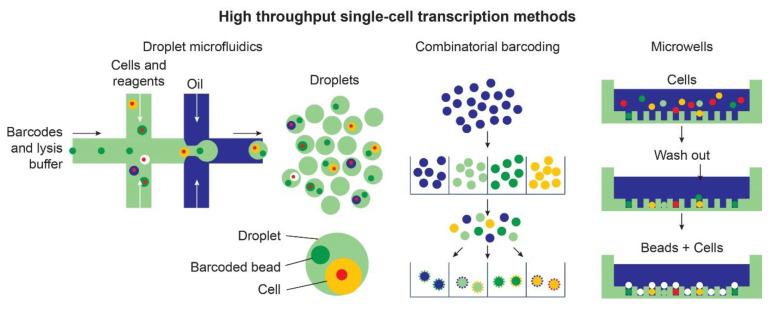
In the last decade, different research groups in the academic setting have developed induced pluripotent stem cell-based protocols to generate three-dimensional, multicellular, neural organoids. Their use to model brain biology, early neural development, and human diseases has provided new insights into the pathophysiology of neuropsychiatric and neurological disorders, including microcephaly, autism, Parkinson's disease, and Alzheimer's disease. However, the adoption of organoid technology for large-scale drug screening in the industry has been hampered by challenges with reproducibility, scalability, and translatability to human disease. Potential technical solutions to expand their use in drug discovery pipelines include Clustered Regularly Interspaced Short Palindromic Repeats (CRISPR) to create isogenic models, single-cell RNA sequencing to characterize the model at a cellular level, and machine learning to analyze complex data sets. In addition, high-content imaging, automated liquid handling, and standardized assays represent other valuable tools toward this goal. Though several open issues still hamper the full implementation of the organoid technology outside academia, rapid progress in this field will help to prompt its translation toward large-scale drug screening for neurological disorders.
在过去的十年中,学术环境中的不同研究小组已经开发出基于诱导多能干细胞的方案来生成三维、多细胞的神经类器官。这些类器官被用于模拟大脑生物学、早期神经发育和人类疾病,为神经精神和神经退行性疾病(包括小头畸形、自闭症、帕金森病和阿尔茨海默病)的病理生理学提供了新的见解。然而,类器官技术在工业界中的大规模药物筛选中的应用受到了重现性、可扩展性和向人类疾病转化等方面的挑战的阻碍。扩大其在药物发现管道中的应用的潜在技术解决方案包括使用 CRISPR 来创建同基因模型、单细胞 RNA 测序来在细胞水平上对模型进行特征分析,以及机器学习来分析复杂的数据集。此外,高内涵成像、自动化液体处理和标准化测定法也是实现这一目标的其他有价值的工具。尽管仍然存在一些开放性问题阻碍了类器官技术在学术界以外的全面实施,但该领域的快速进展将有助于推动其向神经疾病的大规模药物筛选的转化。


 Zotero 插件