
分析方法在测定抗氧化活性中的应用:综述。
Analytical Methods Used in Determining Antioxidant Activity: A Review.
机构信息
Department of Chemistry, Physics and Environment, Faculty of Sciences and Environment, "Dunărea de Jos" University of Galaţi, 47 Domneasca Street, 800008 Galaţi, Romania.
出版信息
Int J Mol Sci. 2021 Mar 25;22(7):3380. doi: 10.3390/ijms22073380.
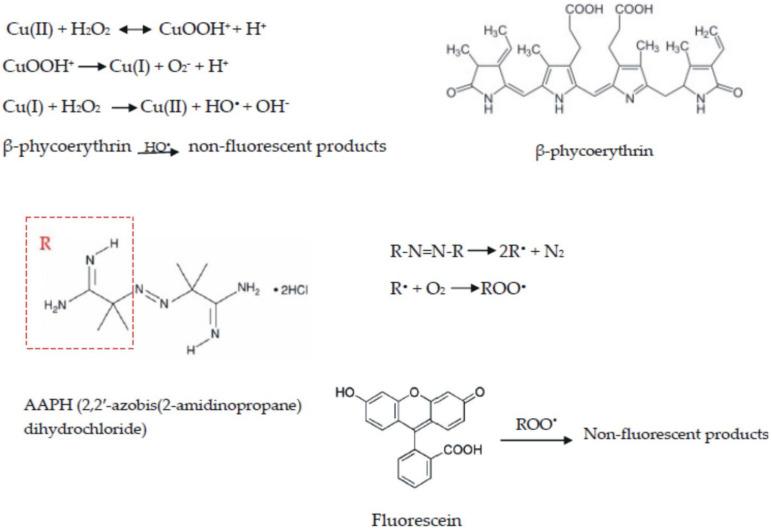
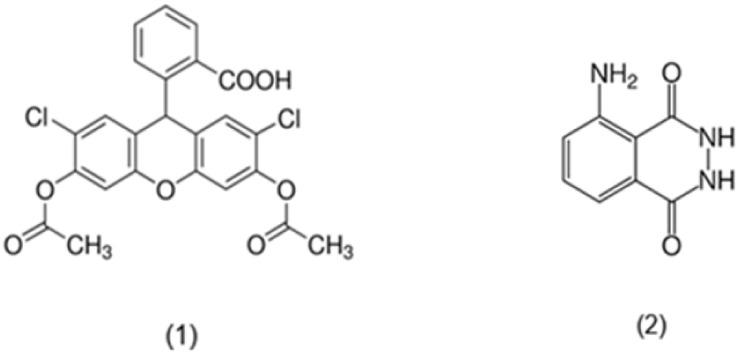
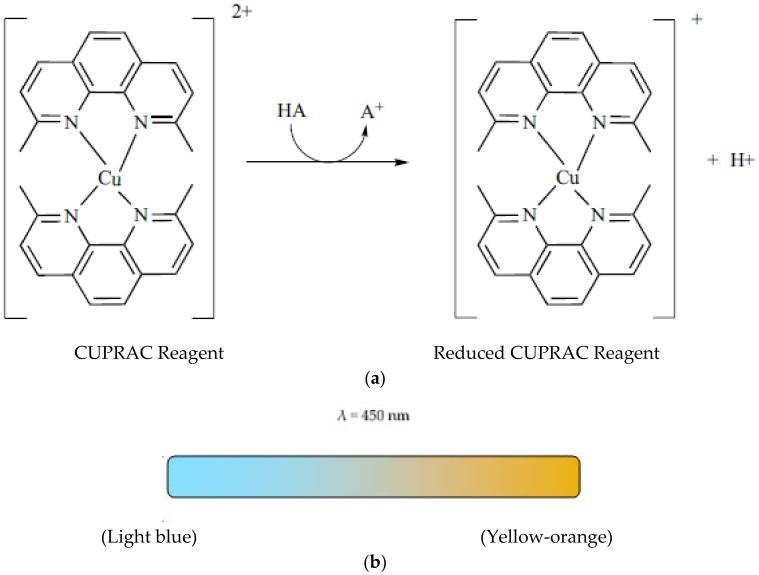
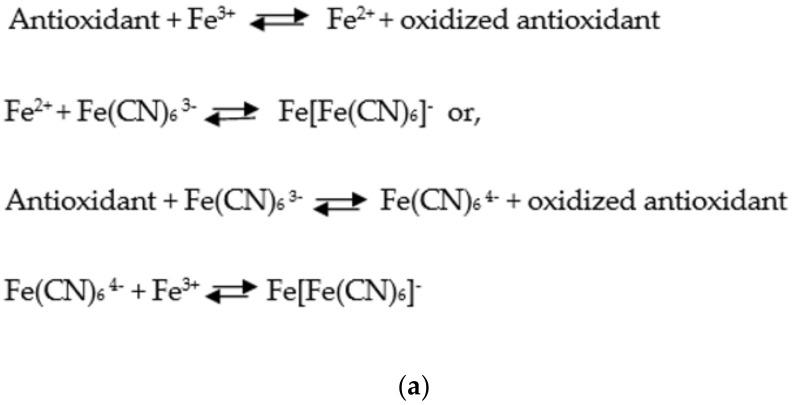
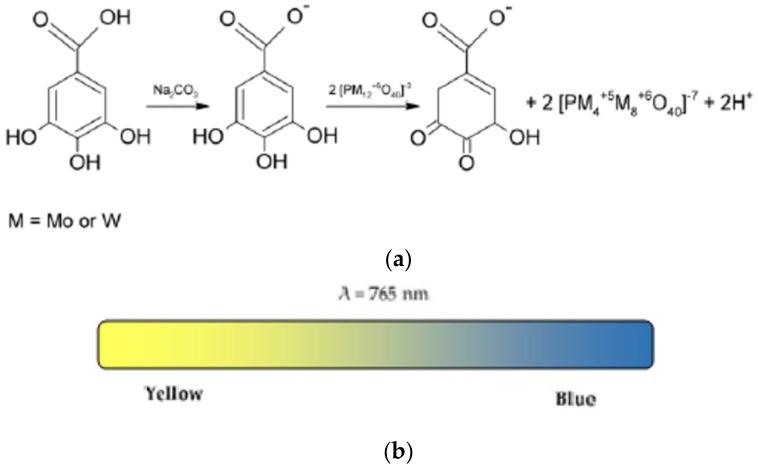
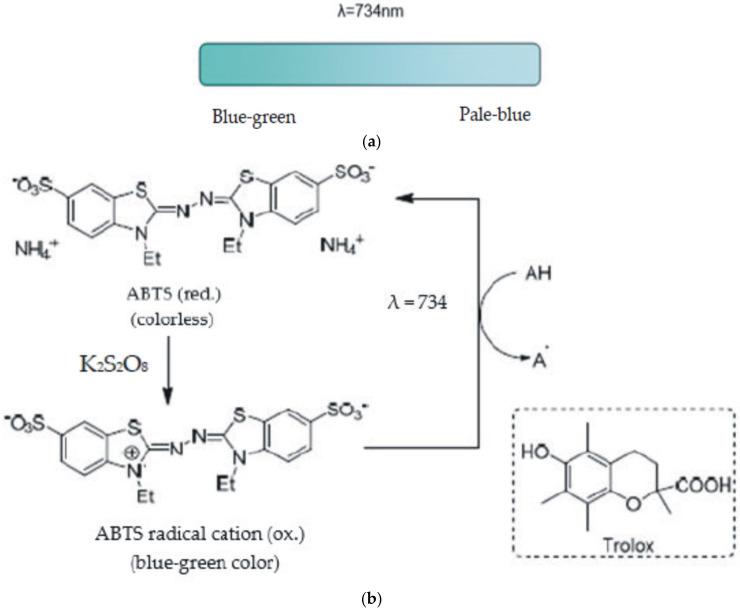
The study of antioxidants and their implications in various fields, from food engineering to medicine and pharmacy, is of major interest to the scientific community. The present paper is a critical presentation of the most important tests used to determine the antioxidant activity, detection mechanism, applicability, advantages and disadvantages of these methods. Out of the tests based on the transfer of a hydrogen atom, the following were presented: the Oxygen Radical Absorption Capacity (ORAC) test, the Hydroxyl Radical Antioxidant Capacity (HORAC) test, the Total Peroxyl Radical Trapping Antioxidant Parameter (TRAP) test, and the Total Oxyradical Scavenging Capacity (TOSC) test. The tests based on the transfer of one electron include the Cupric Reducing Antioxidant Power (CUPRAC) test, the Ferric Reducing Antioxidant Power (FRAP) test, the Folin-Ciocalteu test. Mixed tests, including the transfer of both a hydrogen atom and an electron, include the 2,2'-Azinobis-(3-ethylbenzothiazoline-6-sulfonic acid (ABTS) test, and the [2,2-di(4-tert-octylphenyl)-1-picrylhydrazyl] (DPPH) test. All these assays are based on chemical reactions and assessing the kinetics or reaching the equilibrium state relies on spectrophotometry, presupposing the occurrence of characteristic colours or the discolouration of the solutions to be analysed, which are processes monitored by specific wavelength adsorption. These assays were successfully applied in antioxidant analysis or the determination of the antioxidant capacity of complex samples. As a complementary method in such studies, one may use methods based on electrochemical (bio)sensors, requiring stages of calibration and validation. The use of chemical methods together with electrochemical methods may result in clarification of the operating mechanisms and kinetics of the processes involving several antioxidants.
抗氧化剂及其在从食品工程到医学和药学等各个领域的应用研究是科学界关注的主要焦点。本文对用于确定抗氧化活性、检测机制、这些方法的适用性、优缺点的最重要测试进行了批判性介绍。在基于氢原子转移的测试中,介绍了以下测试:氧自由基吸收能力(ORAC)测试、羟基自由基抗氧化能力(HORAC)测试、总过氧自由基捕获抗氧化剂参数(TRAP)测试和总氧化自由基清除能力(TOSC)测试。基于单电子转移的测试包括铜还原抗氧化能力(CUPRAC)测试、铁还原抗氧化能力(FRAP)测试、福林-希考尔(Folin-Ciocalteu)测试。包括氢原子和单电子转移的混合测试包括 2,2'-偶氮双(3-乙基苯并噻唑啉-6-磺酸)(ABTS)测试和[2,2-二(4-叔辛基苯基)-1-吡咯基二氢吡喃](DPPH)测试。所有这些测定法都是基于化学反应,通过分光光度法评估动力学或达到平衡状态,这需要特征颜色的出现或分析溶液的变色,这是通过特定波长的吸收来监测的过程。这些测定法已成功应用于抗氧化剂分析或复杂样品的抗氧化能力测定。作为此类研究中的补充方法,可以使用基于电化学(生物)传感器的方法,需要校准和验证阶段。化学方法与电化学方法的结合使用可能有助于阐明涉及多种抗氧化剂的过程的作用机制和动力学。


 Zotero 插件