
胰腺导管腺癌中的非编码RNA:改善诊断和治疗的新方法
Non-coding RNAs in pancreatic ductal adenocarcinoma: New approaches for better diagnosis and therapy.
作者信息
Mortoglou Maria, Tabin Zoey Kathleen, Arisan E Damla, Kocher Hemant M, Uysal-Onganer Pinar
机构信息
Cancer Research Group, School of Life Sciences, University of Westminster, London W1W 6UW, UK.
Institution of Biotechnology, Gebze Technical University, Gebze, Turkey.
出版信息
Transl Oncol. 2021 Jul;14(7):101090. doi: 10.1016/j.tranon.2021.101090. Epub 2021 Apr 5.
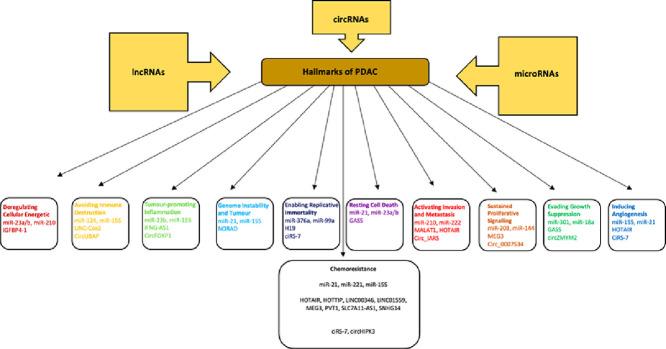
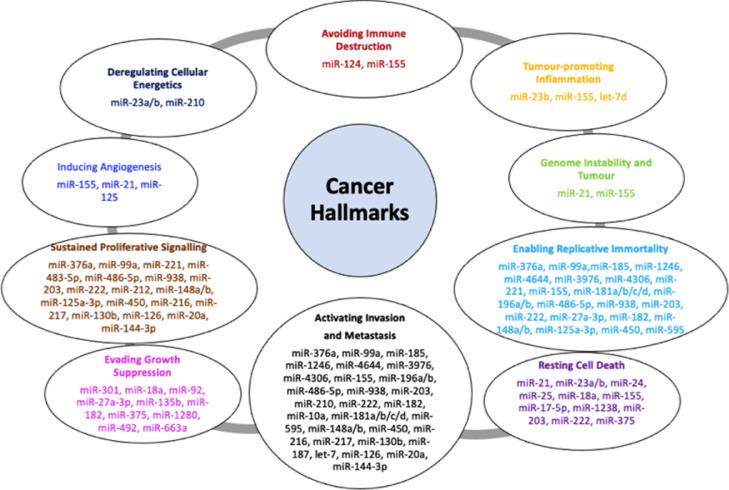
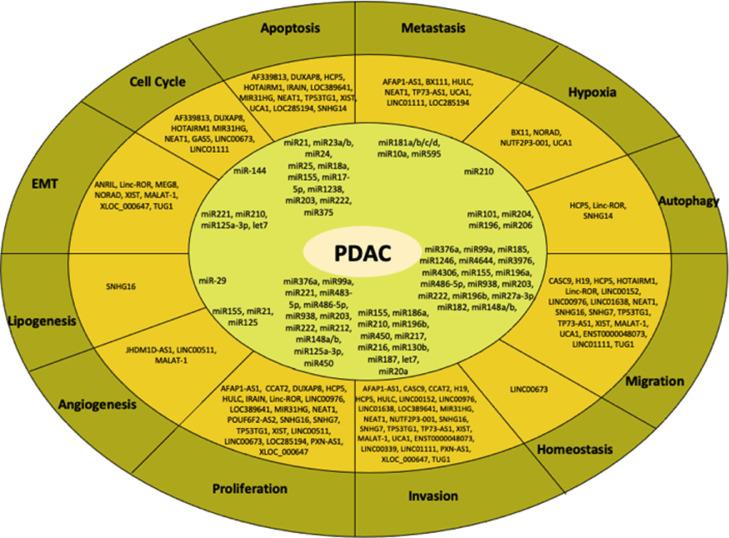
Pancreatic ductal adenocarcinoma (PDAC) is one of the most aggressive malignancies with a 5-year survival rate less than 8%, which has remained unchanged over the last 50 years. Early detection is particularly difficult due to the lack of disease-specific symptoms and a reliable biomarker. Multimodality treatment including chemotherapy, radiotherapy (used sparingly) and surgery has become the standard of care for patients with PDAC. Carbohydrate antigen 19-9 (CA 19-9) is the most common diagnostic biomarker; however, it is not specific enough especially for asymptomatic patients. Non-coding RNAs are often deregulated in human malignancies and shown to be involved in cancer-related mechanisms such as cell growth, differentiation, and cell death. Several micro, long non-coding and circular RNAs have been reported to date which are involved in PDAC. Aim of this review is to discuss the roles and functions of non-coding RNAs in diagnosis and treatments of PDAC.
胰腺导管腺癌(PDAC)是最具侵袭性的恶性肿瘤之一,5年生存率低于8%,在过去50年中一直未变。由于缺乏疾病特异性症状和可靠的生物标志物,早期检测尤为困难。包括化疗、放疗(使用较少)和手术在内的多模式治疗已成为PDAC患者的标准治疗方案。糖类抗原19-9(CA 19-9)是最常见的诊断生物标志物;然而,它的特异性不够,尤其是对无症状患者。非编码RNA在人类恶性肿瘤中常常失调,并被证明参与细胞生长、分化和细胞死亡等癌症相关机制。迄今为止,已有几种微小RNA、长链非编码RNA和环状RNA被报道与PDAC有关。本综述的目的是讨论非编码RNA在PDAC诊断和治疗中的作用和功能。



 Zotero 插件