
微小细胞外囊泡包裹的 miR-181b-5p、miR-222-3p 和 let-7a-5p:基于下一代血浆活检的炎症性乳腺癌诊断生物标志物。
Small extracellular vesicle-encapsulated miR-181b-5p, miR-222-3p and let-7a-5p: Next generation plasma biopsy-based diagnostic biomarkers for inflammatory breast cancer.
机构信息
Biotechnology/Biomolecular Chemistry Program, Chemistry Department, Faculty of Science, Cairo University, Giza, Egypt.
Department of Gynecology and Obstetrics, Münster University Hospital, Münster, Germany.
出版信息
PLoS One. 2021 Apr 26;16(4):e0250642. doi: 10.1371/journal.pone.0250642. eCollection 2021.
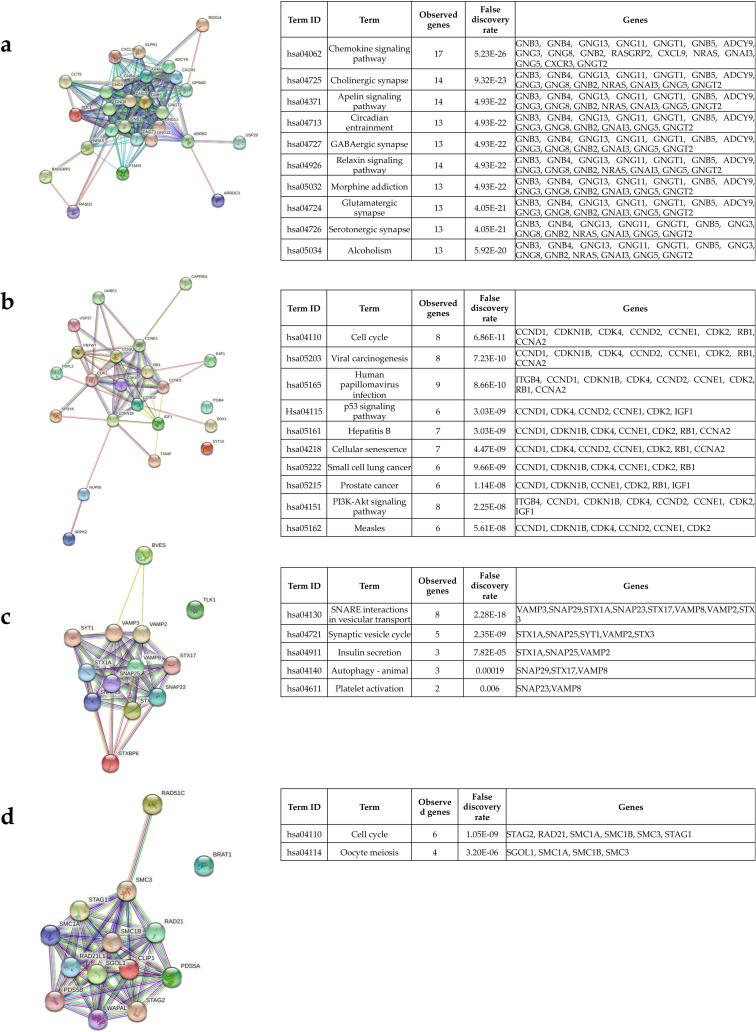
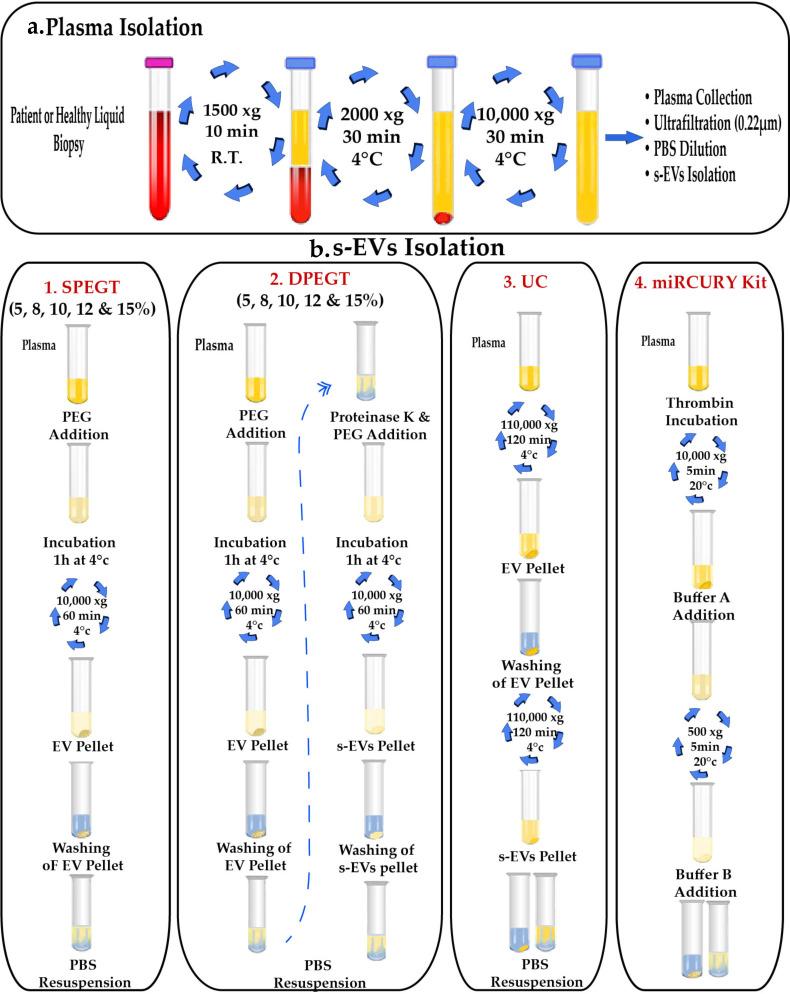
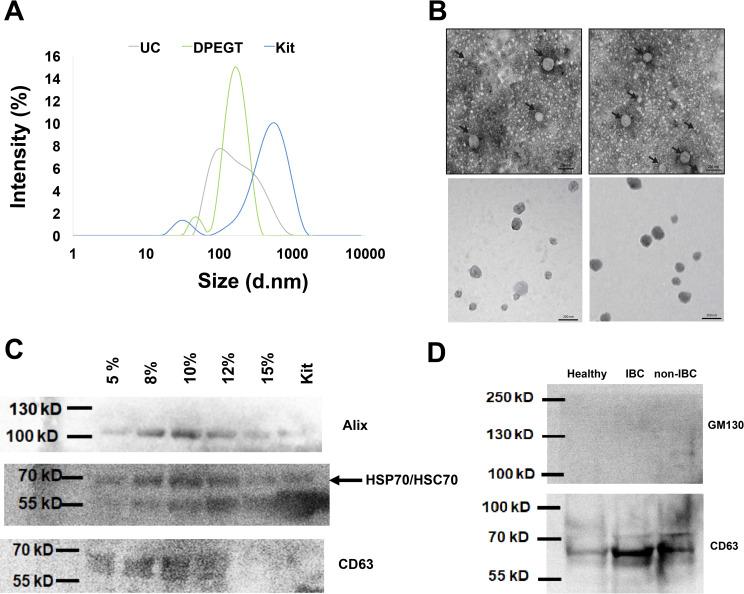
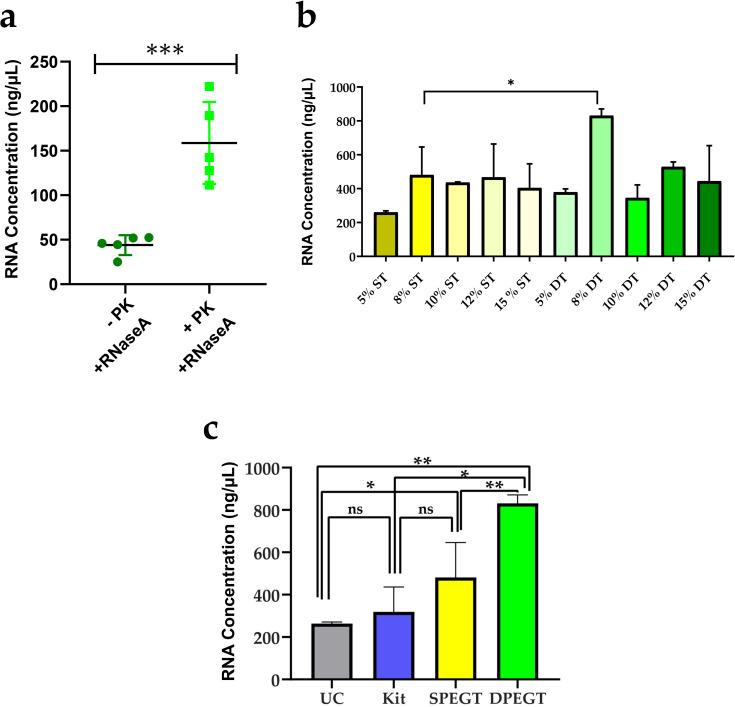
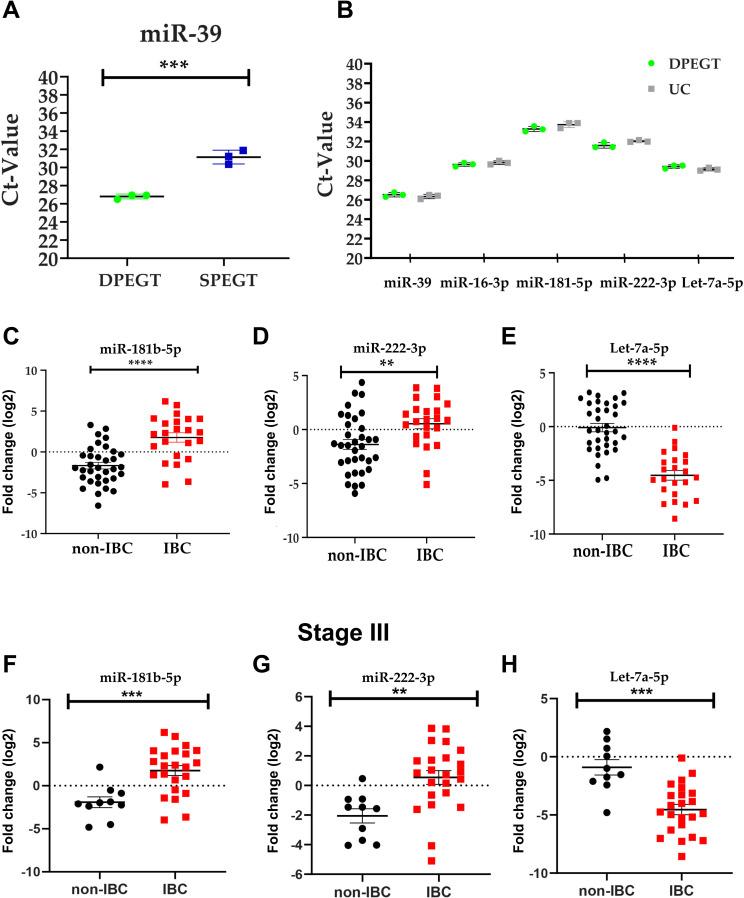
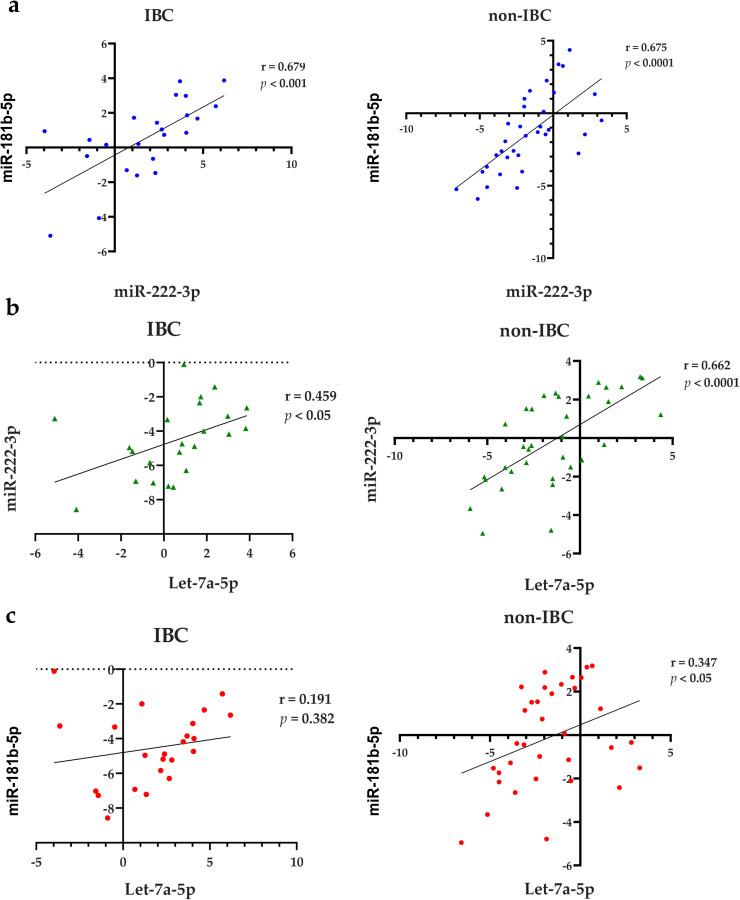
Inflammatory breast cancer (IBC) is a rare, but aggressive entity of breast carcinoma with rapid dermal lymphatic invasion in young females. It is either poorly or misdiagnosed as mastitis because of the absence of a distinct lump. Small extracellular vesicles (sEVs) circulating in liquid biopsies are a novel class of minimally invasive diagnostic alternative to invasive tissue biopsies. They modulate cancer progression via shuttling their encapsulated cargo including microRNAs (miRNAs) into recipient cells to either trigger signaling or induce malignant transformation of targeted cells. Plasma sEVs < 200 nm were isolated using a modified cost-effective polyethylene glycol (PEG)-based precipitation method and compared to standard methods, namely ultracentrifugation and a commercial kit, where the successful isolation was verified by different approaches. We evaluated the expression levels of selected sEV-derived miR-181b-5p, miR-222-3p and let-7a-5p using quantitative real PCR (qPCR). Relative to non-IBC, our qPCR data showed that sEV-derived miR-181b-5p and miR-222-3p were significantly upregulated, whereas let-7a-5p was downregulated in IBC patients. Interestingly, receiver operating characteristic (ROC) curves analysis revealed that diagnostic accuracy of let-7a-5p alone was the highest for IBC with an area under curve (AUC) value of 0.9188, and when combined with miR-222-3p the AUC was improved to 0.973. Further, 38 hub genes were identified using bioinformatics analysis. Together, circulating sEV-derived miR-181b-5p, miR-222-3p and let-7a-5p serve as promising non-invasive diagnostic biomarkers for IBC.
炎性乳腺癌(IBC)是一种罕见但侵袭性强的乳腺癌实体,在年轻女性中具有快速的皮肤淋巴管侵犯。由于缺乏明显的肿块,它经常被误诊为乳腺炎。在液体活检中循环的小细胞外囊泡(sEVs)是一种新型的微创诊断替代方法,可替代侵入性组织活检。它们通过将包裹的货物(包括 microRNAs(miRNAs))转移到受体细胞中,从而调节癌症的进展,要么触发信号,要么诱导靶细胞的恶性转化。使用改良的具有成本效益的聚乙二醇(PEG)沉淀法分离小于 200nm 的血浆 sEVs,并与标准方法(即超速离心和商业试剂盒)进行比较,通过不同的方法验证了成功的分离。我们使用定量实时 PCR(qPCR)评估了选定的 sEV 衍生的 miR-181b-5p、miR-222-3p 和 let-7a-5p 的表达水平。与非 IBC 相比,我们的 qPCR 数据显示,sEV 衍生的 miR-181b-5p 和 miR-222-3p 明显上调,而 let-7a-5p 在 IBC 患者中下调。有趣的是,受试者工作特征(ROC)曲线分析显示,let-7a-5p 单独诊断 IBC 的准确性最高,曲线下面积(AUC)值为 0.9188,当与 miR-222-3p 结合时,AUC 提高到 0.973。此外,使用生物信息学分析鉴定了 38 个枢纽基因。总之,循环 sEV 衍生的 miR-181b-5p、miR-222-3p 和 let-7a-5p 可作为 IBC 有前途的非侵入性诊断生物标志物。


 Zotero 插件