
基于 G 蛋白偶联受体的生物活性肽筛选:利用噬菌体展示肽和昆虫细胞系统进行杀虫剂发现。
GPCR-Based Bioactive Peptide Screening Using Phage-Displayed Peptides and an Insect Cell System for Insecticide Discovery.
机构信息
USDA-ARS, Horticultural Crops Research Laboratory, Corvallis, OR 97330, USA.
USDA-ARS, Center for Medical, Agricultural, and Veterinary Entomology, Gainesville, FL 32608, USA.
出版信息
Biomolecules. 2021 Apr 16;11(4):583. doi: 10.3390/biom11040583.
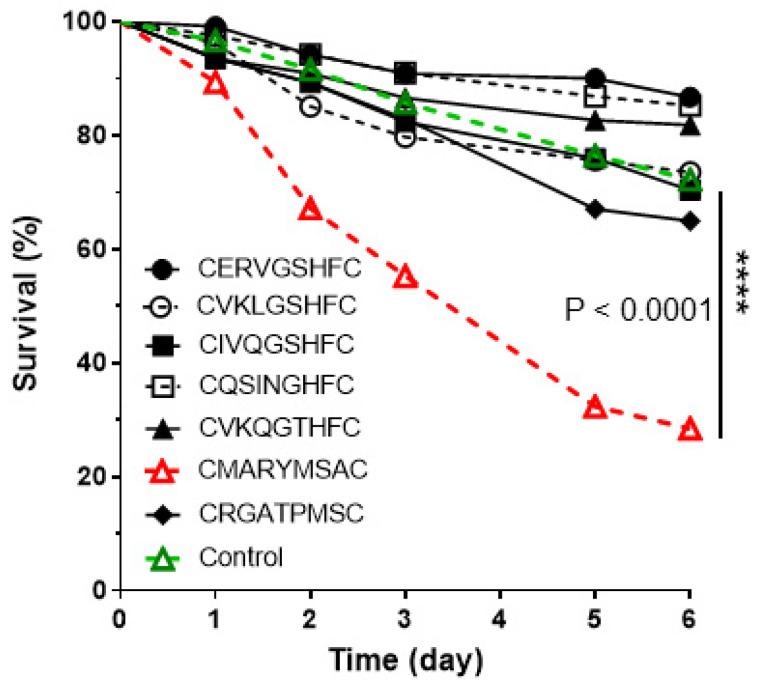
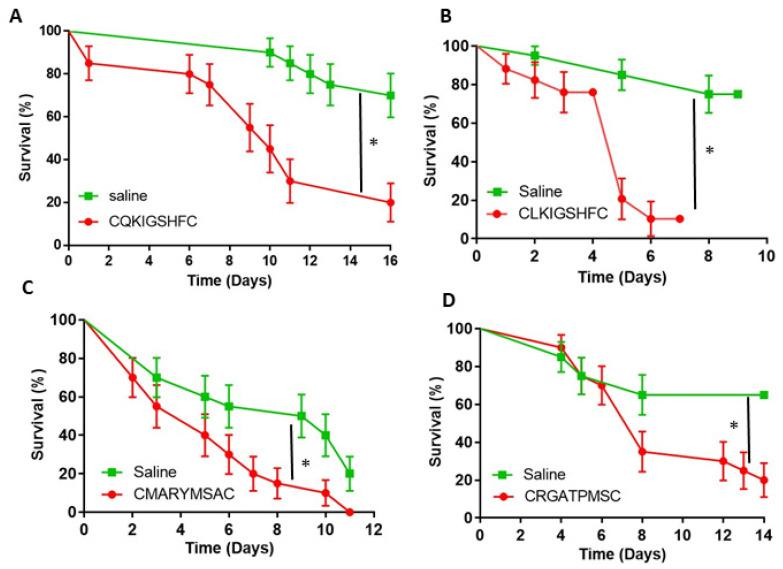
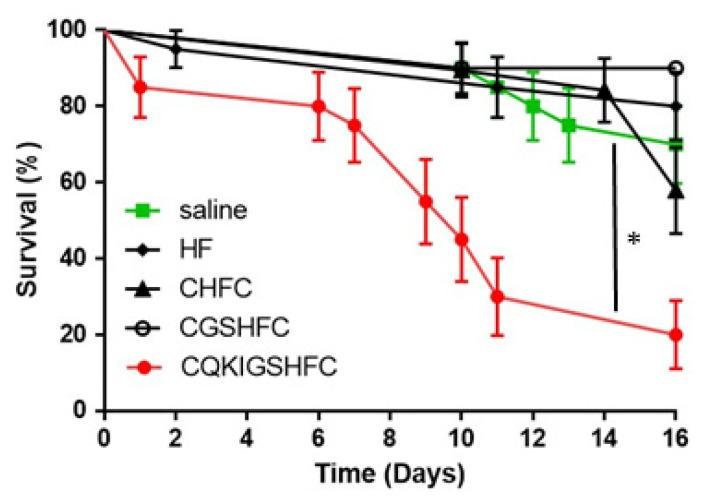
The discovery of new insecticides improves integrated pest management (IPM), but is usually a long high-risk process with a low probability of success. For over two decades, insect neuropeptides (NPs) and their G-protein coupled receptors (GPCRs) have been considered as biological targets for insect pest control, because they are involved in almost all physiological processes associated with insect life stages. A key roadblock to success has been the question of how large volume chemical libraries can be efficiently screened for active compounds. New genomic and proteomic tools have advanced and facilitated the development of new approaches to insecticide discovery. In this study, we report a novel GPCR-based screening technology that uses millions of short peptides randomly generated by bacteriophages, and a method using an insect Sf9 cell expression system. The fire ant is a good model system, since bioactive peptides have been identified for a specific GPCR. The novel small peptides could interfere with the target GPCR-ligand functions. Therefore, we refer to this new mechanism as "receptor interference" (RECEPTORi). The GPCR-based bioactive peptide screening method offers multiple advantages. Libraries of phage-displayed peptides (~10 peptides) are inexpensive. An insect cell-based screening system rapidly leads to target specific GPCR agonists or antagonists in weeks. Delivery of bioactive peptides to target pests can be flexible, such as topical, ingestion, and plant-incorporated protectants. A variety of GPCR targets are available, thus minimizing the development of potential insecticide resistance. This report provides the first proof-of-concept for the development of novel arthropod pest management strategies using neuropeptides, and GPCRs.
新杀虫剂的发现改善了综合虫害管理(IPM),但通常是一个漫长的高风险过程,成功率很低。二十多年来,昆虫神经肽(NPs)及其 G 蛋白偶联受体(GPCRs)一直被认为是昆虫害虫防治的生物靶标,因为它们几乎参与了与昆虫生活阶段相关的所有生理过程。成功的一个关键障碍是如何有效地筛选大量化学文库中的活性化合物。新的基因组和蛋白质组学工具已经得到了发展,并为新的杀虫剂发现方法的发展提供了便利。在这项研究中,我们报告了一种基于 GPCR 的新型筛选技术,该技术使用噬菌体随机产生的数百万个短肽,以及一种使用昆虫 Sf9 细胞表达系统的方法。红火蚁是一个很好的模型系统,因为已经鉴定出针对特定 GPCR 的生物活性肽。新型小肽可以干扰靶 GPCR-配体功能。因此,我们将这种新机制称为“受体干扰”(RECEPTORi)。基于 GPCR 的生物活性肽筛选方法具有多个优点。噬菌体展示肽文库(~10 个肽)价格低廉。昆虫细胞为基础的筛选系统在数周内迅速导致针对特定 GPCR 的激动剂或拮抗剂。生物活性肽对靶标害虫的输送可以是灵活的,如局部、摄入和植物内保护剂。有多种 GPCR 靶标可供选择,从而最大限度地减少潜在杀虫剂抗性的发展。本报告首次证明了使用神经肽和 GPCR 开发新型节肢动物害虫管理策略的概念验证。

 Zotero 插件