
靶向p38丝裂原活化蛋白激酶(MAPK)的潜在抗炎天然化合物的计算鉴定:对COVID-19诱导的细胞因子风暴的启示
Computational Identification of Potential Anti-Inflammatory Natural Compounds Targeting the p38 Mitogen-Activated Protein Kinase (MAPK): Implications for COVID-19-Induced Cytokine Storm.
作者信息
Asiedu Seth O, Kwofie Samuel K, Broni Emmanuel, Wilson Michael D
机构信息
Department of Parasitology, Noguchi Memorial Institute for Medical Research, College of Health Sciences, University of Ghana, Legon, Accra P.O. Box LG 581, Ghana.
Department of Biomedical Engineering, School of Engineering Sciences, College of Basic and Applied Sciences, University of Ghana, Legon, Accra P.O. Box LG 77, Ghana.
出版信息
Biomolecules. 2021 Apr 29;11(5):653. doi: 10.3390/biom11050653.
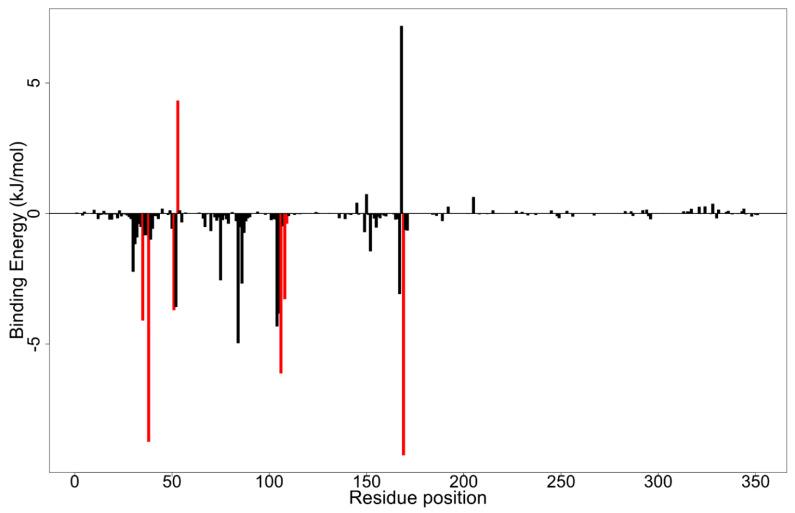
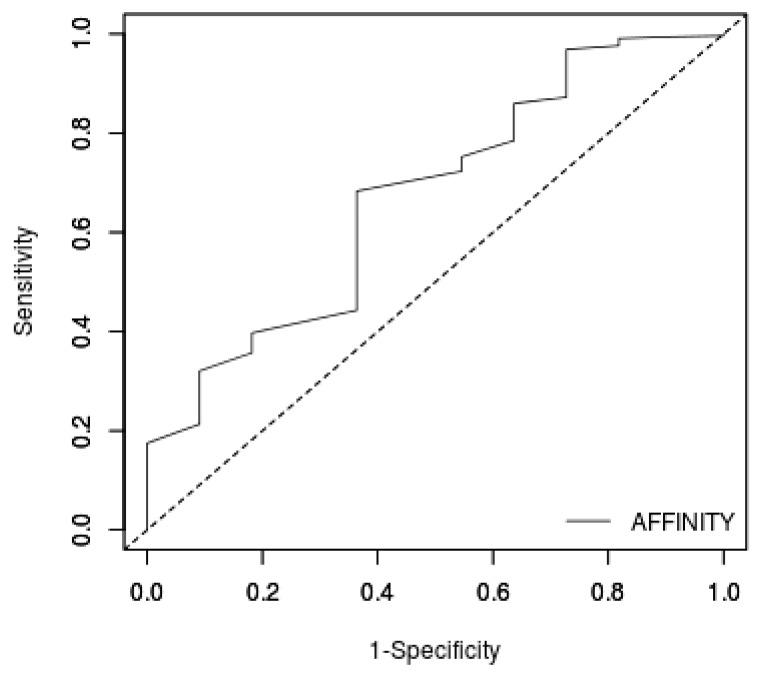
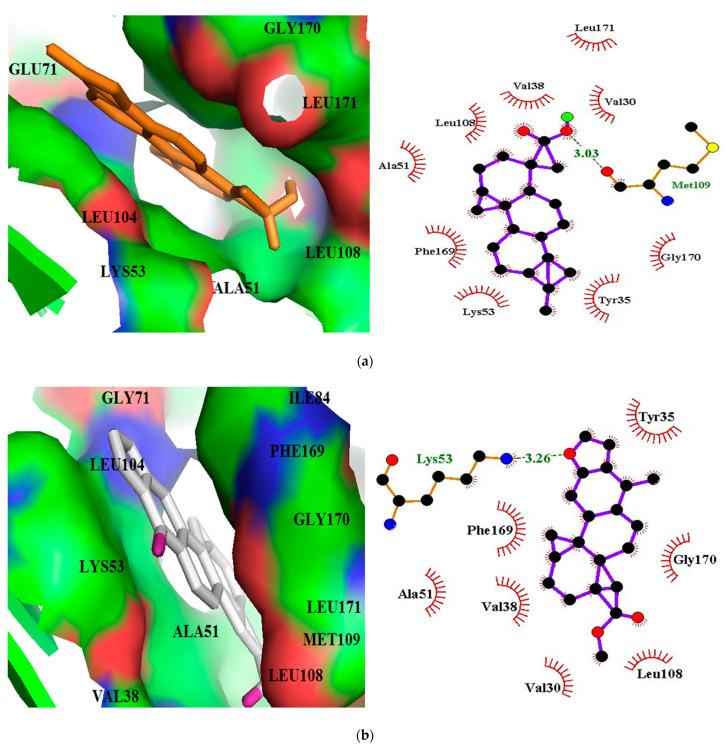
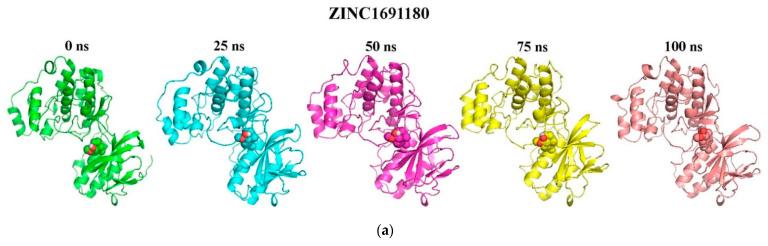
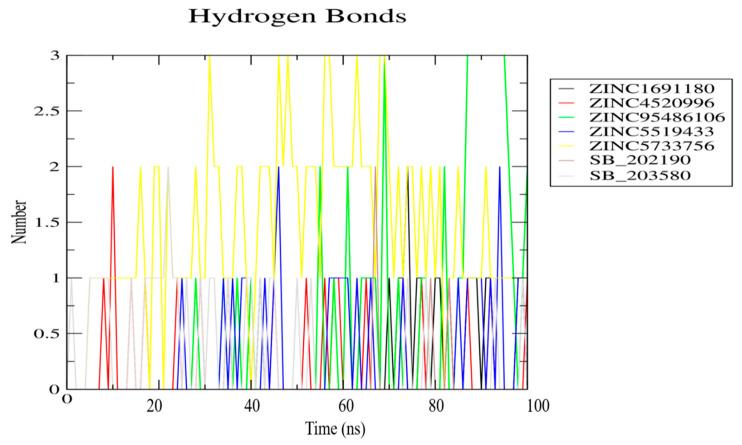
Severely ill coronavirus disease 2019 (COVID-19) patients show elevated concentrations of pro-inflammatory cytokines, a situation commonly known as a cytokine storm. The p38 MAPK receptor is considered a plausible therapeutic target because of its involvement in the platelet activation processes leading to inflammation. This study aimed to identify potential natural product-derived inhibitory molecules against the p38α MAPK receptor to mitigate the eliciting of pro-inflammatory cytokines using computational techniques. The 3D X-ray structure of the receptor with PDB ID 3ZS5 was energy minimized using GROMACS and used for molecular docking via AutoDock Vina. The molecular docking was validated with an acceptable area under the curve (AUC) of 0.704, which was computed from the receiver operating characteristic (ROC) curve. A compendium of 38,271 natural products originating from Africa and China together with eleven known p38 MAPK inhibitors were screened against the receptor. Four potential lead compounds ZINC1691180, ZINC5519433, ZINC4520996 and ZINC5733756 were identified. The compounds formed strong intermolecular bonds with critical residues Val38, Ala51, Lys53, Thr106, Leu108, Met109 and Phe169. Additionally, they exhibited appreciably low binding energies which were corroborated via molecular mechanics Poisson-Boltzmann surface area (MM-PBSA) calculations. The compounds were also predicted to have plausible pharmacological profiles with insignificant toxicity. The molecules were also predicted to be anti-inflammatory, kinase inhibitors, antiviral, platelet aggregation inhibitors, and immunosuppressive, with probable activity (Pa) greater than probable inactivity (Pi). ZINC5733756 is structurally similar to estradiol with a Tanimoto coefficient value of 0.73, which exhibits anti-inflammatory activity by targeting the activation of Nrf2. Similarly, ZINC1691180 has been reported to elicit anti-inflammatory activity in vitro. The compounds may serve as scaffolds for the design of potential biotherapeutic molecules against the cytokine storm associated with COVID-19.
2019年冠状病毒病(COVID-19)重症患者表现出促炎细胞因子浓度升高,这种情况通常被称为细胞因子风暴。p38丝裂原活化蛋白激酶(MAPK)受体因其参与导致炎症的血小板活化过程而被认为是一个合理的治疗靶点。本研究旨在利用计算技术鉴定针对p38α MAPK受体的潜在天然产物衍生抑制分子,以减轻促炎细胞因子的引发。使用GROMACS对PDB ID为3ZS5的受体的3D X射线结构进行能量最小化,并通过AutoDock Vina进行分子对接。通过从受试者工作特征(ROC)曲线计算得出的0.704的可接受曲线下面积(AUC)对分子对接进行验证。针对该受体筛选了来自非洲和中国的38271种天然产物以及11种已知的p38 MAPK抑制剂。鉴定出四种潜在的先导化合物ZINC1691180、ZINC5519433、ZINC4520996和ZINC5733756。这些化合物与关键残基Val38、Ala51、Lys53、Thr106、Leu108、Met109和Phe169形成了强分子间键。此外,它们表现出明显较低的结合能,这通过分子力学泊松-玻尔兹曼表面积(MM-PBSA)计算得到了证实。这些化合物还被预测具有合理的药理特性且毒性不显著。这些分子还被预测具有抗炎、激酶抑制、抗病毒、血小板聚集抑制和免疫抑制作用,其可能活性(Pa)大于可能无活性(Pi)。ZINC5733756在结构上与雌二醇相似,Tanimoto系数值为0.73,并通过靶向Nrf2的激活表现出抗炎活性。同样,ZINC1691180已被报道在体外具有抗炎活性。这些化合物可作为设计针对与COVID-19相关的细胞因子风暴的潜在生物治疗分子的支架。


 Zotero 插件