
慢性颞下颌关节紊乱疼痛的转变:患者脆弱性和医源性因素的结合。
Transitioning to chronic temporomandibular disorder pain: A combination of patient vulnerabilities and iatrogenesis.
机构信息
Department of Orthodontics, University of Illinois at Chicago College of Dentistry, Chicago, IL, USA.
Department of Biomedical Technologies, School of Dentistry, University of Siena, Siena, Italy.
出版信息
J Oral Rehabil. 2021 Sep;48(9):1077-1088. doi: 10.1111/joor.13180. Epub 2021 Jun 3.
BACKGROUND
Based on a variety of studies conducted in recent years, some of the factors that might contribute to the negative treatment responses of some TMD patients have been elucidated.
METHODS
This paper describes known vulnerability factors that make individuals susceptible to developing temporomandibular disorders (TMDs), as well as those that contribute to the perpetuation of such problems. In addition, the topic of iatrogenesis is discussed as a major contributor to the negative outcomes that can be seen in this field.
RESULTS
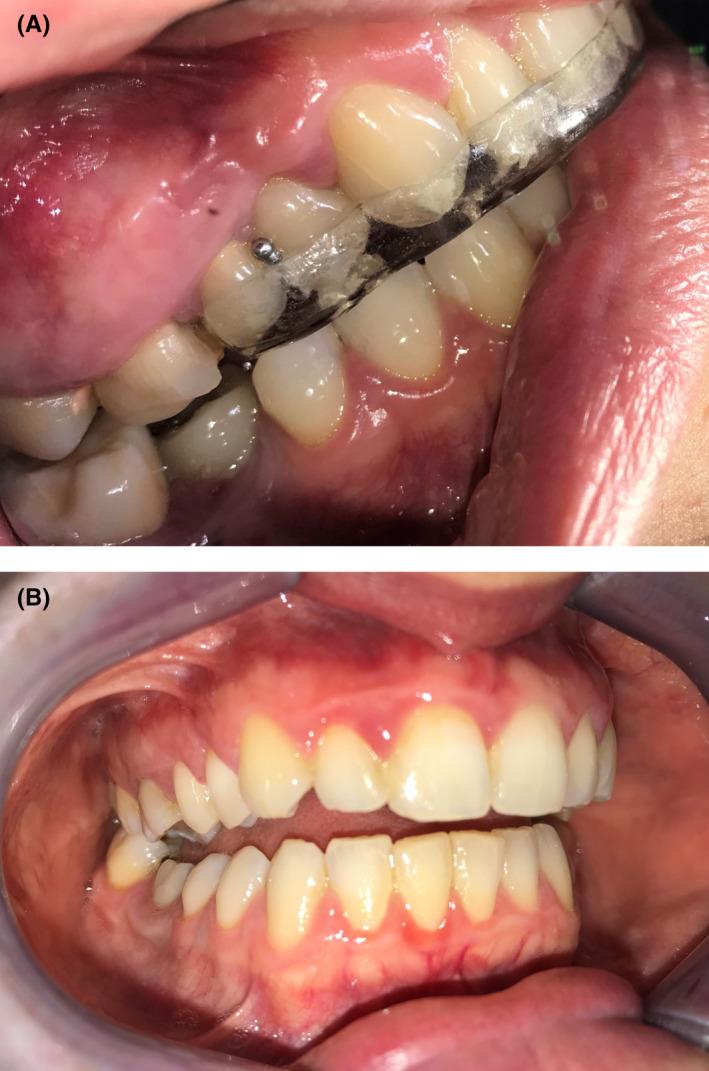
At the patient level, anatomical, psychosocial and genetic factors may contribute to individual vulnerability. The anatomy and pathophysiology of muscles, joints, disc and nerves may all be involved in predisposing to TMD symptoms, especially when the patients have pain elsewhere in the body. Among the psychosocial factors, some features may be elucidated by the DC/TMD axis II, while others (eg illness behaviour, Munchausen syndrome, lack of acceptance of non-mechanical approaches) require careful evaluation by trained clinicians. Genetic predisposition to first onset TMDs and to chronification of symptoms has been identified for individuals with certain psychological traits, presence of comorbid conditions and certain abnormal clinical manifestations. Regarding iatrogenesis, sins of omission may influence the clinical picture, with the main ones being misdiagnosis and undertreatment. Joint repositioning strategies, occlusal modifications, abuse of oral appliances, use of diagnostic technologies, nocebo effect and complications with intracapsular treatments are the most frequent sins of commission that may contribute to chronification of TMDs. The patients who present with massive occlusal and jaw repositioning changes combined with persistent severe orofacial pain are not a rarity within TMD and orofacial pain canters; these patients are the most difficult ones to manage because of this horrific combination of negative factors.
CONCLUSIONS
The information presented in this paper will help clinicians to understand better why some individuals develop temporomandibular disorders, why some of them will progress to becoming chronic patients, and what the appropriate responses may be.
背景
基于近年来进行的多项研究,一些可能导致某些 TMD 患者治疗反应不佳的因素已经阐明。
方法
本文描述了使个体易患颞下颌关节紊乱病(TMD)的已知易感性因素,以及导致此类问题持续存在的因素。此外,还讨论了医源性因素是导致该领域负面结果的主要因素。
结果
在患者层面,解剖学、心理社会和遗传因素可能导致个体易感性。肌肉、关节、关节盘和神经的解剖结构和病理生理学都可能导致 TMD 症状,尤其是当患者身体其他部位有疼痛时。在心理社会因素中,一些特征可以通过 DC/TMD 轴 II 来阐明,而其他特征(例如疾病行为、Munchausen 综合征、对非机械方法的不接受)则需要由经过培训的临床医生进行仔细评估。具有某些心理特征、共存疾病和某些异常临床表现的个体易患首发 TMD 和症状慢性化。关于医源性因素,遗漏之罪可能会影响临床症状,主要包括误诊和治疗不足。关节复位策略、咬合调整、口腔矫治器滥用、诊断技术使用、反安慰剂效应和囊内治疗并发症是最常见的可能导致 TMD 慢性化的医源性错误。在 TMD 和口面疼痛中心,出现大量咬合和下颌复位变化并伴有持续严重的口面疼痛的患者并不少见;由于这种可怕的负面因素组合,这些患者是最难管理的。
结论
本文介绍的信息将帮助临床医生更好地理解为什么某些个体会发展为颞下颌关节紊乱病,为什么他们中的一些会发展为慢性患者,以及可能的适当反应是什么。


 Zotero 插件