
3D 细胞培养模型:药物药代动力学、安全性评估和监管考虑。
3D cell culture models: Drug pharmacokinetics, safety assessment, and regulatory consideration.
机构信息
Department of Pharmaceutical Sciences, University of Maryland School of Pharmacy, Baltimore, Maryland, USA.
Center for Drug Evaluation and Research, US Food and Drug Administration (FDA), Silver Spring, Maryland, USA.
出版信息
Clin Transl Sci. 2021 Sep;14(5):1659-1680. doi: 10.1111/cts.13066. Epub 2021 Jun 16.
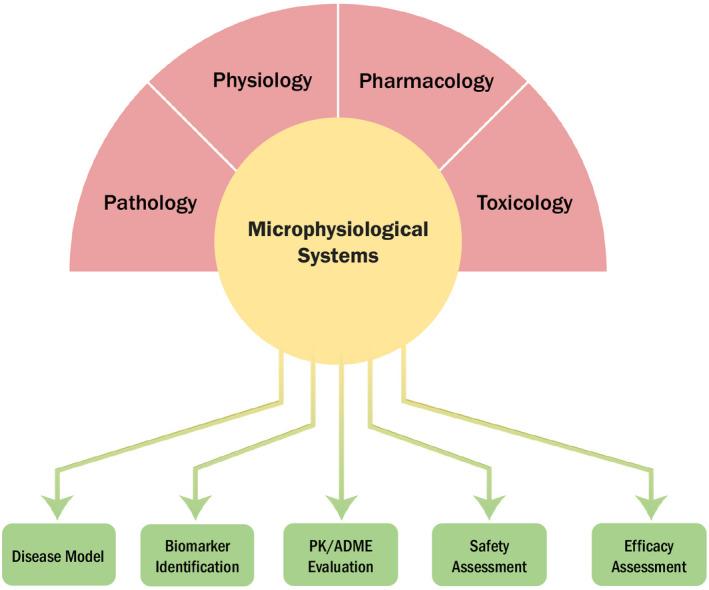
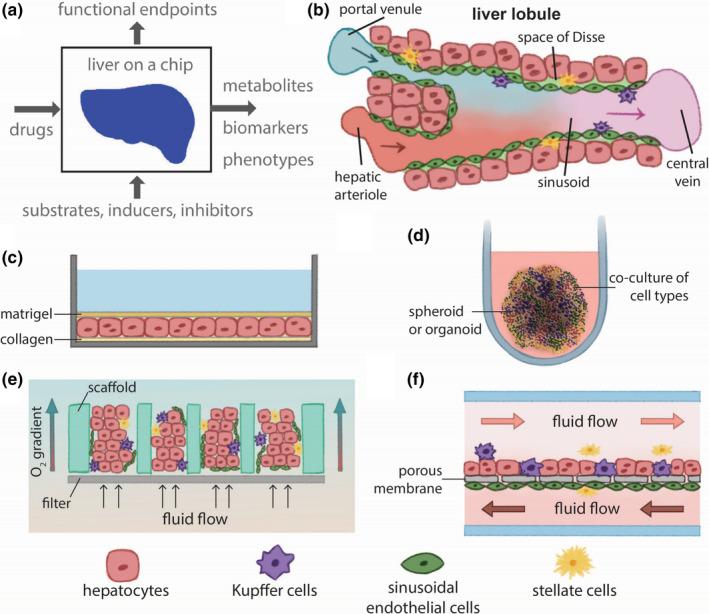
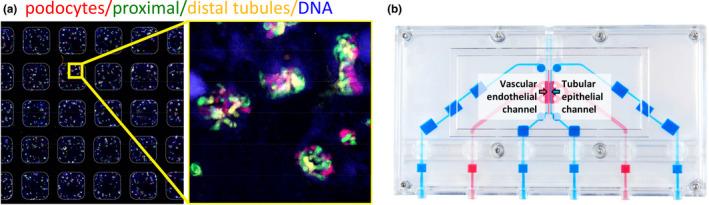
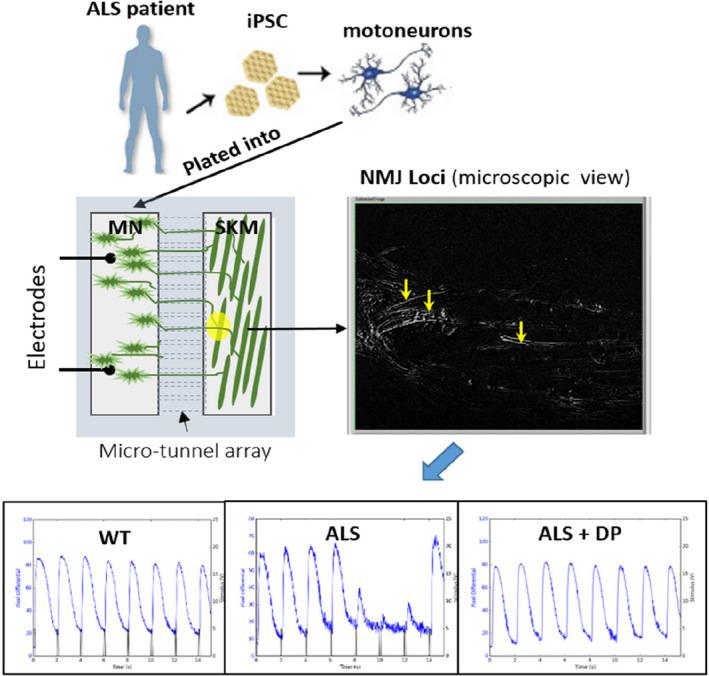
Nonclinical testing has served as a foundation for evaluating potential risks and effectiveness of investigational new drugs in humans. However, the current two-dimensional (2D) in vitro cell culture systems cannot accurately depict and simulate the rich environment and complex processes observed in vivo, whereas animal studies present significant drawbacks with inherited species-specific differences and low throughput for increased demands. To improve the nonclinical prediction of drug safety and efficacy, researchers continue to develop novel models to evaluate and promote the use of improved cell- and organ-based assays for more accurate representation of human susceptibility to drug response. Among others, the three-dimensional (3D) cell culture models present physiologically relevant cellular microenvironment and offer great promise for assessing drug disposition and pharmacokinetics (PKs) that influence drug safety and efficacy from an early stage of drug development. Currently, there are numerous different types of 3D culture systems, from simple spheroids to more complicated organoids and organs-on-chips, and from single-cell type static 3D models to cell co-culture 3D models equipped with microfluidic flow control as well as hybrid 3D systems that combine 2D culture with biomedical microelectromechanical systems. This article reviews the current application and challenges of 3D culture systems in drug PKs, safety, and efficacy assessment, and provides a focused discussion and regulatory perspectives on the liver-, intestine-, kidney-, and neuron-based 3D cellular models.
非临床测试一直是评估新的研究用药物在人体中潜在风险和有效性的基础。然而,当前的二维(2D)体外细胞培养系统无法准确地描绘和模拟体内观察到的丰富环境和复杂过程,而动物研究则存在着固有的物种特异性差异和低通量的显著缺点,无法满足日益增加的需求。为了提高非临床药物安全性和疗效的预测能力,研究人员继续开发新的模型,以评估和促进改进的基于细胞和器官的测定方法的使用,从而更准确地反映人类对药物反应的敏感性。其中,三维(3D)细胞培养模型提供了生理相关的细胞微环境,为评估药物处置和药代动力学(PKs)提供了巨大的潜力,这些对于药物安全性和疗效的评估可以在药物开发的早期阶段进行。目前,有许多不同类型的 3D 培养系统,从简单的球体到更复杂的类器官和芯片上器官,从单细胞类型的静态 3D 模型到配备微流控的细胞共培养 3D 模型,以及将 2D 培养与生物医学微机电系统相结合的混合 3D 系统。本文综述了 3D 培养系统在药物 PKs、安全性和疗效评估中的当前应用和挑战,并对基于肝、肠、肾和神经元的 3D 细胞模型进行了重点讨论和监管视角的探讨。


 Zotero 插件