
一次性口罩在自然风化的作用下会向水环环境中释放微塑料。
Disposable masks release microplastics to the aqueous environment with exacerbation by natural weathering.
机构信息
Department of Building, Civil and Environmental Engineering, Concordia University, Montreal, QC H3G 1M8, Canada.
Department of Building, Civil and Environmental Engineering, Concordia University, Montreal, QC H3G 1M8, Canada.
出版信息
J Hazard Mater. 2021 Sep 5;417:126036. doi: 10.1016/j.jhazmat.2021.126036. Epub 2021 May 8.
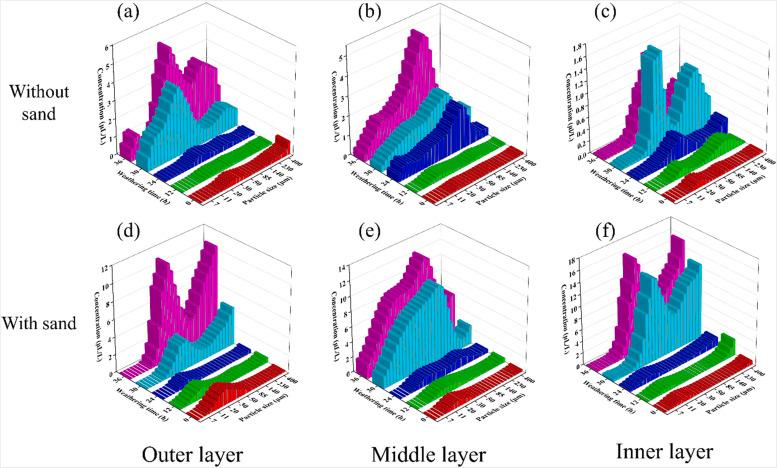
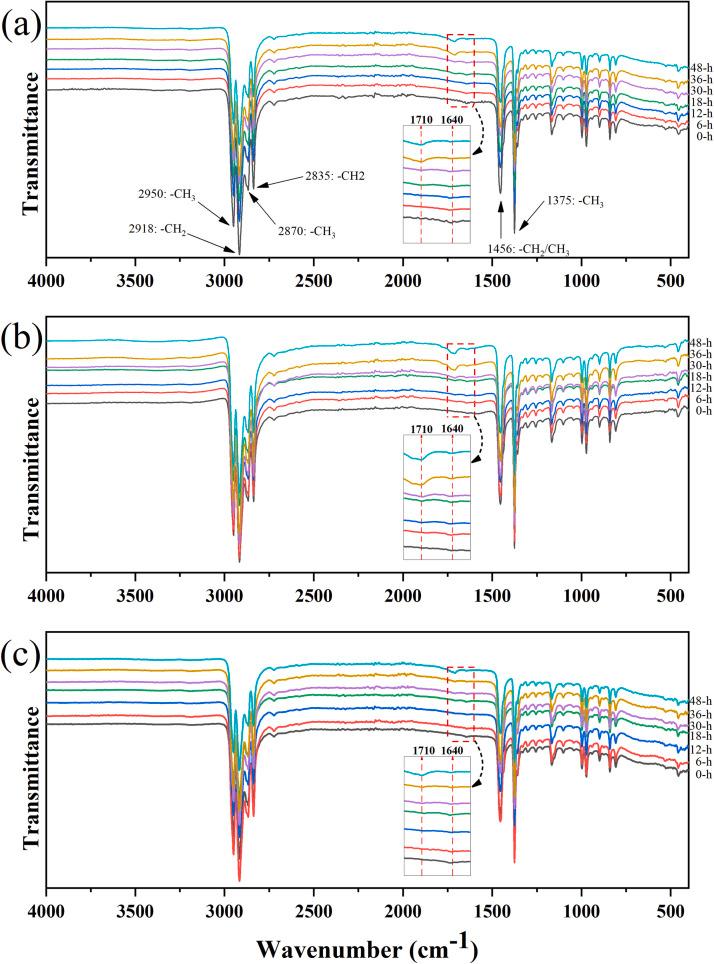
The COVID-19 pandemic has driven explosive growth in the use of masks has resulted in many issues related to the disposal and management of waste masks. As improperly disposed masks enter the ocean, the risk to the marine ecological system is further aggravated, especially in the shoreline environment. The objective of this study is to explore the changing characteristics and environmental behaviors of disposable masks when exposed to the shoreline environment. The transformation of chain structure and chemical composition of masks as well as the decreased mechanical strength of masks after UV weathering were observed. The melt-blown cloth in the middle layer of masks was found to be particularly sensitive to UV irradiation. A single weathered mask can release more than 1.5 million microplastics to the aqueous environment. The physical abrasion caused by sand further exacerbated the release of microplastic particles from masks, with more than 16 million particles released from just one weathered mask in the presence of sand. The study results indicate that shorelines are not only the main receptor of discarded masks from oceans and lands, but also play host to further transformation of masks to plastic particles.
新冠疫情大流行推动了口罩的使用呈爆炸式增长,由此产生了许多与废弃口罩的处置和管理相关的问题。由于不当处理的口罩进入海洋,这进一步加重了海洋生态系统的风险,尤其是在海岸线环境中。本研究旨在探索一次性口罩在暴露于海岸线环境时的变化特征和环境行为。观察到口罩的链结构和化学成分的转变,以及在紫外线风化后口罩机械强度的降低。发现口罩中间层的熔喷布对紫外线辐射特别敏感。一个风化的口罩就能向水环 境中释放超过 150 万个微塑料。沙子引起的物理磨损进一步加剧了口罩释放微塑料颗粒的程度,仅在有沙子存在的情况下,一个风化的口罩就释放出了超过 1600 万个颗粒。研究结果表明,海岸线不仅是海洋和陆地丢弃口罩的主要接受地,还是口罩进一步转化为塑料颗粒的场所。




 Zotero 插件