
联合放化疗:重新审视金属蛋白酶
Combined Radiochemotherapy: Metalloproteinases Revisited.
作者信息
Waller Verena, Pruschy Martin
机构信息
Laboratory for Applied Radiobiology, Department of Radiation Oncology, University Hospital Zurich, University of Zurich, Zurich, Switzerland.
出版信息
Front Oncol. 2021 May 13;11:676583. doi: 10.3389/fonc.2021.676583. eCollection 2021.
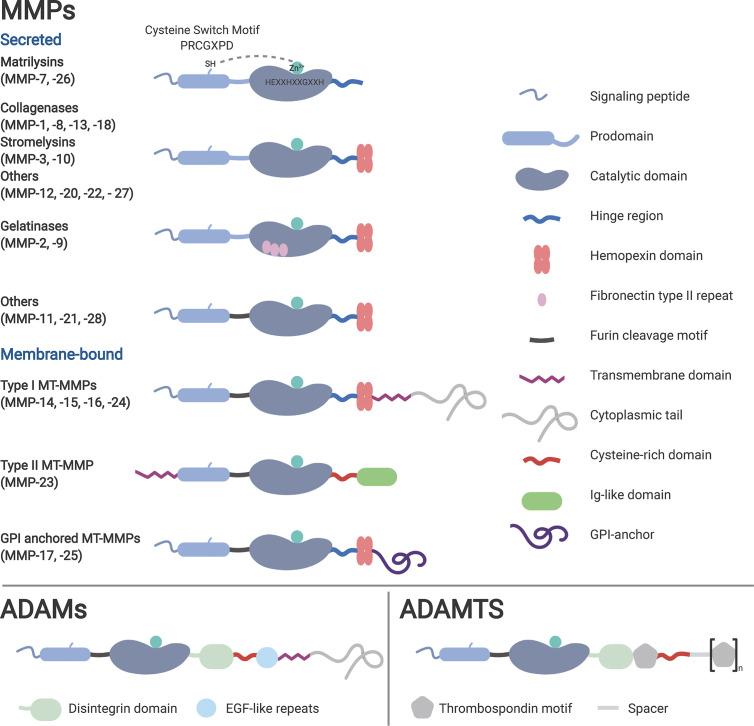
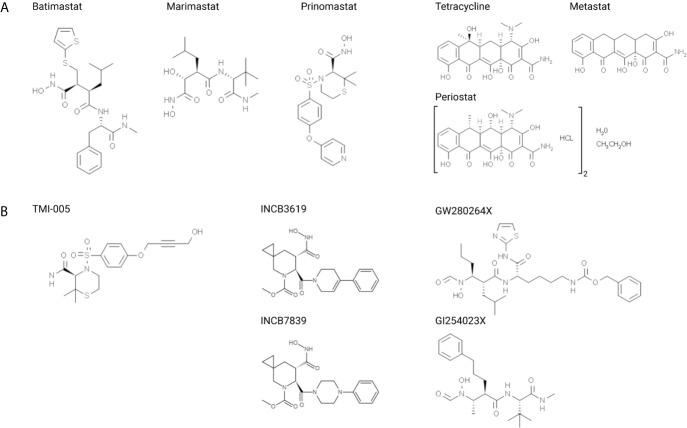
Besides cytotoxic DNA damage irradiation of tumor cells triggers multiple intra- and intercellular signaling processes, that are part of a multilayered, treatment-induced stress response at the unicellular and tumor pathophysiological level. These processes are intertwined with intrinsic and acquired resistance mechanisms to the toxic effects of ionizing radiation and thereby co-determine the tumor response to radiotherapy. Proteolysis of structural elements and bioactive signaling moieties represents a major class of posttranslational modifications regulating intra- and intercellular communication. Plasma membrane-located and secreted metalloproteinases comprise a family of metal-, usually zinc-, dependent endopeptidases and sheddases with a broad variety of substrates including components of the extracellular matrix, cyto- and chemokines, growth and pro-angiogenic factors. Thereby, metalloproteinases play an important role in matrix remodeling and auto- and paracrine intercellular communication regulating tumor growth, angiogenesis, immune cell infiltration, tumor cell dissemination, and subsequently the response to cancer treatment. While metalloproteinases have long been identified as promising target structures for anti-cancer agents, previous pharmaceutical approaches mostly failed due to unwanted side effects related to the structural similarities among the multiple family members. Nevertheless, targeting of metalloproteinases still represents an interesting rationale alone and in combination with other treatment modalities. Here, we will give an overview on the role of metalloproteinases in the irradiated tumor microenvironment and discuss the therapeutic potential of using more specific metalloproteinase inhibitors in combination with radiotherapy.
除了细胞毒性DNA损伤外,肿瘤细胞的辐射还会触发多种细胞内和细胞间信号传导过程,这些过程是单细胞和肿瘤病理生理水平上多层治疗诱导应激反应的一部分。这些过程与对电离辐射毒性作用的内在和获得性抗性机制相互交织,从而共同决定肿瘤对放疗的反应。结构元件和生物活性信号部分的蛋白水解是调节细胞内和细胞间通讯的一类主要的翻译后修饰。位于质膜和分泌的金属蛋白酶包括一类金属(通常是锌)依赖性内肽酶和脱落酶,其底物种类繁多,包括细胞外基质成分、细胞因子和趋化因子、生长因子和促血管生成因子。因此,金属蛋白酶在基质重塑以及调节肿瘤生长、血管生成、免疫细胞浸润、肿瘤细胞扩散以及随后对癌症治疗的反应的自分泌和旁分泌细胞间通讯中发挥重要作用。虽然金属蛋白酶长期以来一直被认为是抗癌药物的有前景的靶标结构,但由于多个家族成员之间结构相似导致的不良副作用,以前的药物治疗方法大多失败。然而,靶向金属蛋白酶单独或与其他治疗方式联合仍然是一个有趣的原理。在这里,我们将概述金属蛋白酶在受辐射肿瘤微环境中的作用,并讨论使用更特异性金属蛋白酶抑制剂与放疗联合的治疗潜力。

 Zotero 插件