
含Hsp90抑制剂17-DMAG的聚乳酸-羟基乙酸共聚物纳米粒的研制与表征
Development and Characterization of PLGA Nanoparticles Containing 17-DMAG, an Hsp90 Inhibitor.
作者信息
Cruz Kercia P, Patricio Beatriz F C, Pires Vinícius C, Amorim Marina F, Pinho Alan G S F, Quadros Helenita C, Dantas Diana A S, Chaves Marcelo H C, Formiga Fabio R, Rocha Helvécio V A, Veras Patrícia S T
机构信息
Laboratory of Parasite-Host Interaction and Epidemiology, Gonçalo Moniz Institute, Oswaldo Cruz Foundation (FIOCRUZ), Salvador, Brazil.
Laboratory of Micro and Nanotechnology, Institute of Technology of Drugs (Farmanguinhos), Oswaldo Cruz Foundation (FIOCRUZ), Rio de Janeiro, Brazil.
出版信息
Front Chem. 2021 May 13;9:644827. doi: 10.3389/fchem.2021.644827. eCollection 2021.
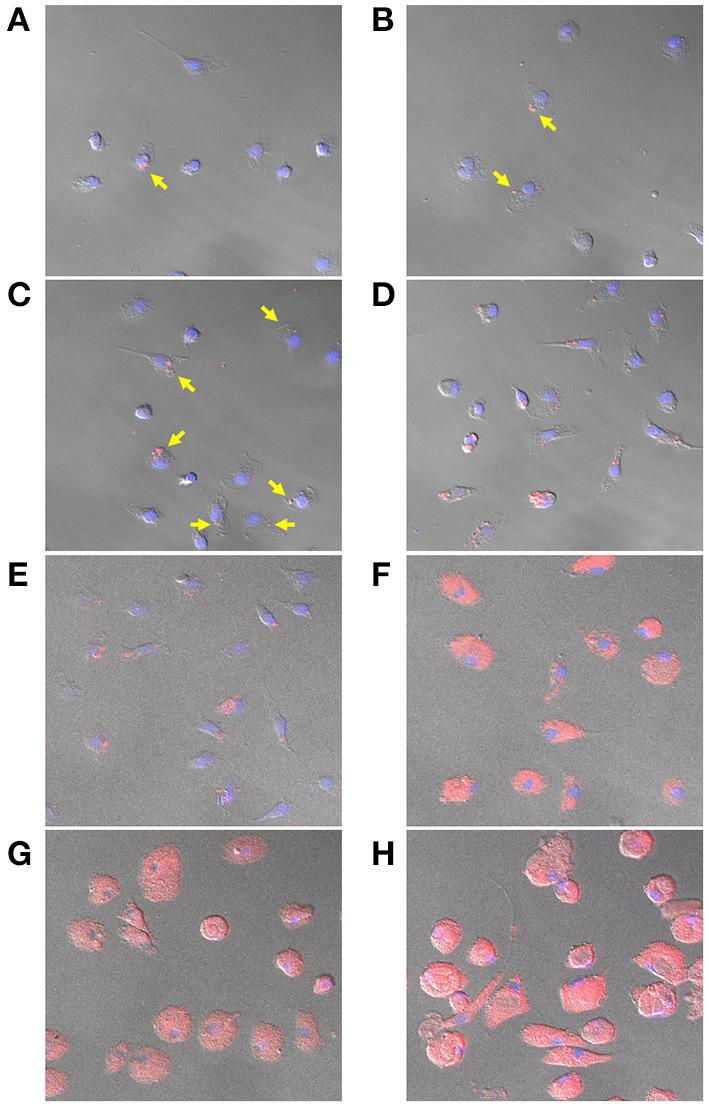
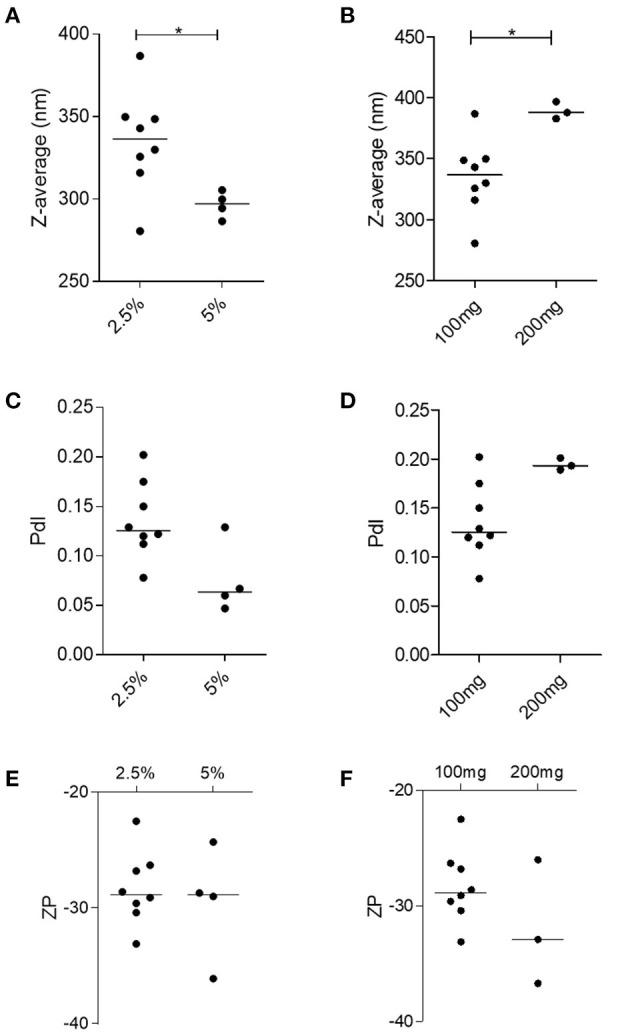
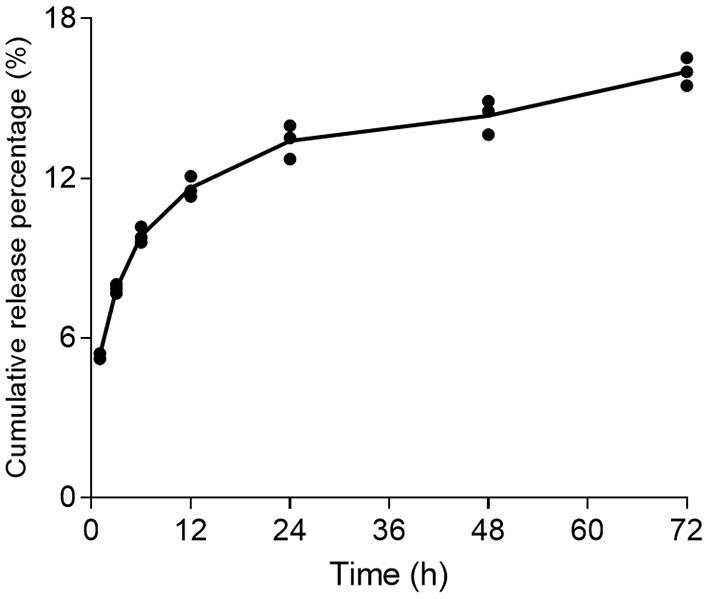
Leishmaniasis is a spectrum of neglected tropical diseases and its cutaneous form (CL) is characterized by papillary or ulcerated skin lesions that negatively impact patients' quality of life. Current CL treatments suffer limitations, such as severe side effects and high cost, making the search for new therapeutic alternatives an imperative. In this context, heat shock protein 90 (Hsp90) could present a novel therapeutic target, as evidence suggests that Hsp90 inhibitors, such as 17-Dimethylaminoethylamino-17-Demethoxygeldanamycin (17-DMAG), may represent promising chemotherapeutic agents against CL. As innovative input for formulation development of 17-DMAG, nano-based drug delivery systems could provide controlled release, targeting properties, and reduced drug toxicity. In this work, a double emulsion method was used to develop poly (lactic-co-glycolic acid) (PLGA) nanoparticles containing 17-DMAG. The nanoparticle was developed using two distinct protocols: Protocol 1 (P1) and Protocol 2 (P2), which differed concerning the organic solvent (acetone or dichloromethane, respectively) and procedure used to form double-emulsions (Ultra-Turrax® homogenization or sonication, respectively). The nanoparticles produced by P2 were comparatively smaller (305.5 vs. 489.0 nm) and more homogeneous polydispersion index (PdI) (0.129 vs. 0.33) than the ones made by P1. Afterward, the P2 was optimized and the best composition consisted of 2 mg of 17-DMAG, 100 mg of PLGA, 5% of polyethylene glycol (PEG 8000), 1.5 mL of the internal aqueous phase, 1% of polyvinyl alcohol (PVA), and 4 mL of the organic phase. Optimized P2 nanoparticles had a particle size of 297.2 nm (288.6-304.1) and encapsulation efficacy of 19.35% (15.42-42.18) by the supernatant method and 31.60% (19.9-48.79) by the filter/column method. Release kinetics performed at 37°C indicated that ~16% of the encapsulated 17-DMAG was released about to 72 h. In a separate set of experiments, a cell uptake assay employing confocal fluorescence microscopy revealed the internalization by macrophages of P2-optimized rhodamine B labeled nanoparticles at 30 min, 1, 2, 4, 6, 24, 48, and 72 h. Collectively, our results indicate the superior performance of P2 concerning the parameters used to assess nanoparticle development. Therefore, these findings warrant further research to evaluate optimized 17-DMAG-loaded nanoparticles (NP2-17-DMAG) for toxicity and antileishmanial effects and .
利什曼病是一系列被忽视的热带疾病,其皮肤型(CL)的特征是乳头状或溃疡性皮肤病变,对患者的生活质量产生负面影响。目前的CL治疗存在局限性,如严重的副作用和高成本,因此寻找新的治疗选择势在必行。在这种背景下,热休克蛋白90(Hsp90)可能是一个新的治疗靶点,因为有证据表明,Hsp90抑制剂,如17-二甲基氨基乙基氨基-17-去甲氧基格尔德霉素(17-DMAG),可能是治疗CL的有前景的化疗药物。作为17-DMAG制剂开发的创新投入,纳米药物递送系统可以提供控释、靶向特性并降低药物毒性。在这项工作中,采用双乳液法制备了含有17-DMAG的聚(乳酸-乙醇酸)(PLGA)纳米颗粒。纳米颗粒的制备采用了两种不同的方案:方案1(P1)和方案2(P2),它们在有机溶剂(分别为丙酮或二氯甲烷)以及形成双乳液的方法(分别为Ultra-Turrax®均质化或超声处理)方面有所不同。与P1制备的纳米颗粒相比,P2制备的纳米颗粒相对较小(305.5对489.0 nm),多分散指数(PdI)更均匀(0.129对0.33)。之后,对P2进行了优化,最佳组成包括2 mg的17-DMAG、100 mg的PLGA、5%的聚乙二醇(PEG 8000)、1.5 mL的内水相、1%的聚乙烯醇(PVA)和4 mL的有机相。优化后的P2纳米颗粒粒径为297.2 nm(288.6 - 304.1),通过上清液法的包封率为19.35%(15.42 - 42.18),通过过滤/柱法的包封率为31.60%(19.9 - 48.79)。在37°C下进行的释放动力学表明,约16%的包封17-DMAG在约72小时内释放。在另一组实验中,采用共聚焦荧光显微镜的细胞摄取试验显示,P2优化的罗丹明B标记纳米颗粒在30分钟、1、2、4、6、24、48和72小时被巨噬细胞内化。总体而言,我们的结果表明P2在用于评估纳米颗粒开发的参数方面具有优越性能。因此,这些发现值得进一步研究,以评估优化的载17-DMAG纳米颗粒(NP2-17-DMAG)的毒性和抗利什曼原虫作用。



 Zotero 插件