
绿茶表没食子儿茶素-3-没食子酸酯(EGCG)在神经退行性疾病药物发现中针对蛋白质错误折叠。
Green Tea Epigallocatechin-3-gallate (EGCG) Targeting Protein Misfolding in Drug Discovery for Neurodegenerative Diseases.
机构信息
Faculty of Pharmacy, Federal University of Rio de Janeiro, Rio de Janeiro 21949-900, Brazil.
出版信息
Biomolecules. 2021 May 20;11(5):767. doi: 10.3390/biom11050767.
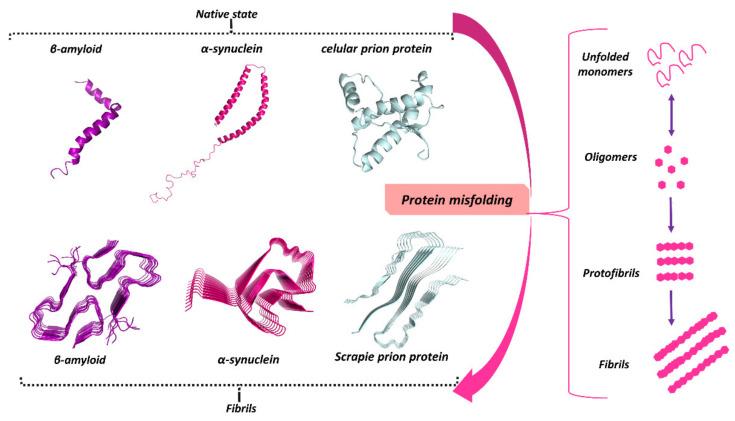
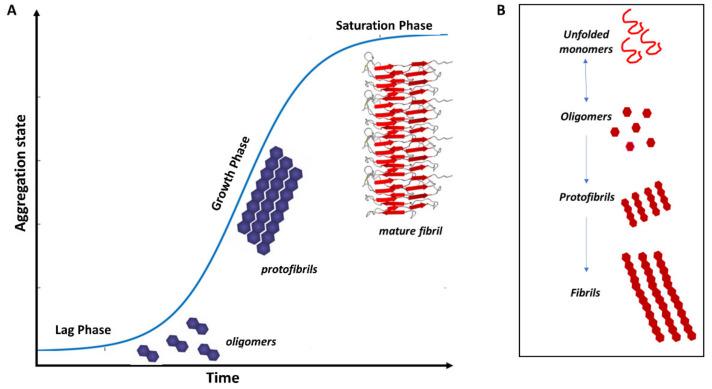
The potential to treat neurodegenerative diseases (NDs) of the major bioactive compound of green tea, epigallocatechin-3-gallate (EGCG), is well documented. Numerous findings now suggest that EGCG targets protein misfolding and aggregation, a common cause and pathological mechanism in many NDs. Several studies have shown that EGCG interacts with misfolded proteins such as amyloid beta-peptide (Aβ), linked to Alzheimer's disease (AD), and α-synuclein, linked to Parkinson's disease (PD). To date, NDs constitute a serious public health problem, causing a financial burden for health care systems worldwide. Although current treatments provide symptomatic relief, they do not stop or even slow the progression of these devastating disorders. Therefore, there is an urgent need to develop effective drugs for these incurable ailments. It is expected that targeting protein misfolding can serve as a therapeutic strategy for many NDs since protein misfolding is a common cause of neurodegeneration. In this context, EGCG may offer great potential opportunities in drug discovery for NDs. Therefore, this review critically discusses the role of EGCG in NDs drug discovery and provides updated information on the scientific evidence that EGCG can potentially be used to treat many of these fatal brain disorders.
绿茶中具有生物活性的主要化合物表没食子儿茶素没食子酸酯(EGCG)在治疗神经退行性疾病(NDs)方面的潜力已得到充分证实。现在有许多研究表明,EGCG 可靶向蛋白质错误折叠和聚集,这是许多 NDs 的常见原因和病理机制。一些研究表明,EGCG 与淀粉样β肽(Aβ)相互作用,与阿尔茨海默病(AD)有关,与帕金森病(PD)有关的α-突触核蛋白。迄今为止,NDs 构成了一个严重的公共卫生问题,给全球卫生保健系统带来了经济负担。尽管目前的治疗方法提供了症状缓解,但它们不能阻止甚至减缓这些破坏性疾病的进展。因此,迫切需要为这些无法治愈的疾病开发有效的药物。由于蛋白质错误折叠是神经退行性变的常见原因,因此靶向蛋白质错误折叠可以作为治疗许多 NDs 的一种治疗策略。在这种情况下,EGCG 可能为 NDs 的药物发现提供巨大的潜力。因此,本文批判性地讨论了 EGCG 在 NDs 药物发现中的作用,并提供了有关 EGCG 可能用于治疗许多这些致命脑疾病的科学证据的最新信息。


 Zotero 插件