
公众健康信息对于鼓励氡气意识和检测的效果因受众年龄、性别和职业而异。
The efficacy of public health information for encouraging radon gas awareness and testing varies by audience age, sex and profession.
机构信息
Departments of Biochemistry and Molecular Biology and Oncology, Robson DNA Science Centre, Charbonneau Cancer Institute, Cumming School of Medicine, University of Calgary, Calgary, AB, Canada.
Faculty of Medicine, University of Saskatchewan, Saskatoon, SK, Canada.
出版信息
Sci Rep. 2021 Jun 7;11(1):11906. doi: 10.1038/s41598-021-91479-7.
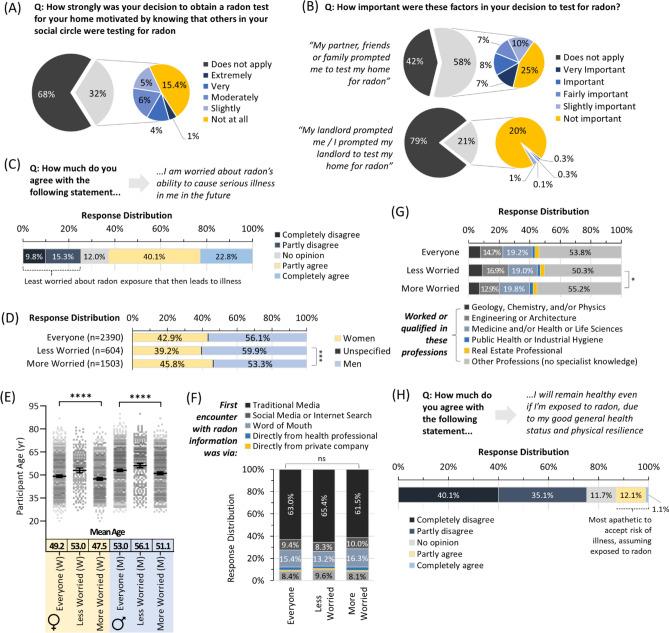
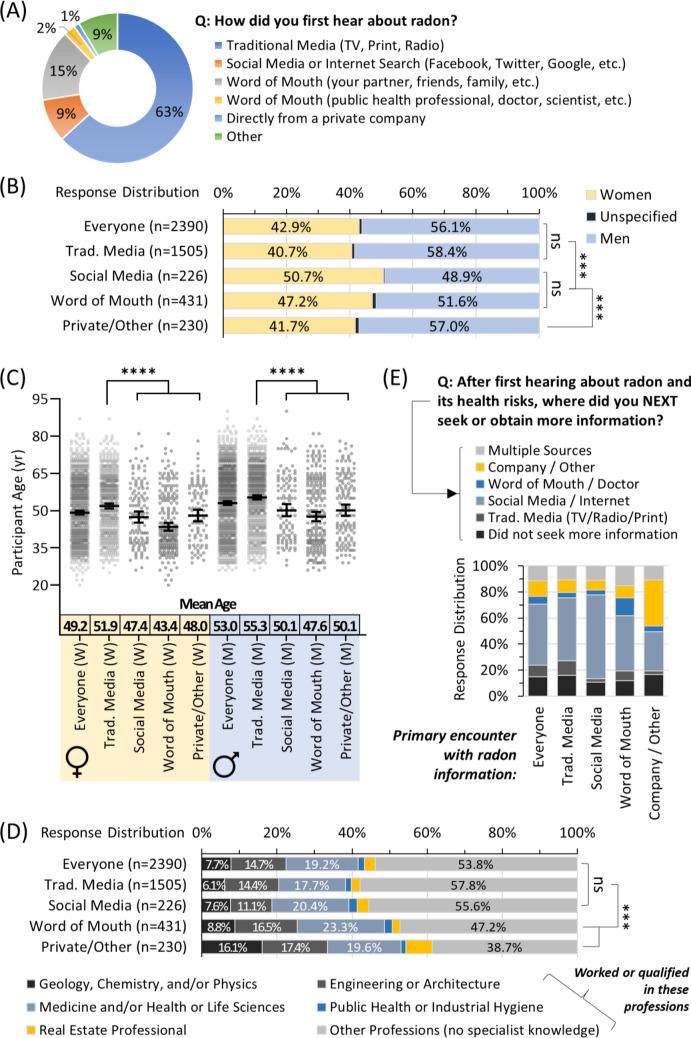
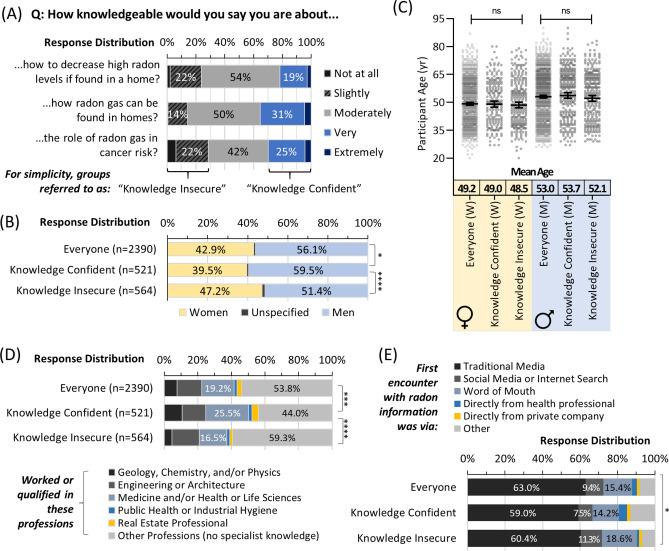
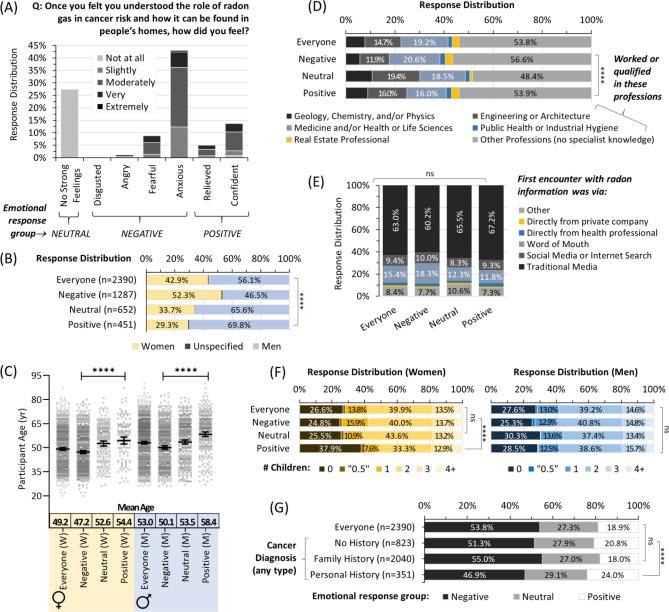
Radioactive radon inhalation is a leading cause of lung cancer and underlies an ongoing public health crisis. Radon exposure prevention strategies typically begin by informing populations about health effects, and their initial efficacy is measured by how well and how fast information convinces individuals to test properties. This communication process is rarely individualized, and there is little understanding if messages impact diverse demographics equally. Here, we explored how 2,390 people interested in radon testing differed in their reaction to radon's public health information and their subsequent decision to test. Only 20% were prompted to radon test after 1 encounter with awareness information, while 65% required 2-5 encounters over several months, and 15% needed 6 to > 10 encounters over many years. People who most delayed testing were more likely to be men or involved in engineering, architecture, real estate and/or physical science-related professions. Social pressures were not a major factor influencing radon testing. People who were the least worried about radon health risks were older and/or men, while negative emotional responses to awareness information were reported more by younger people, women and/or parents. This highlights the importance of developing targeted demographic messaging to create effective radon exposure prevention strategies.
放射性氡吸入是肺癌的主要原因,也是当前公共卫生危机的根源。氡暴露预防策略通常首先通过向民众告知健康影响来开始,其最初的效果是通过信息说服个人进行测试的程度和速度来衡量的。这个沟通过程很少针对个人,而且对于信息是否平等地影响不同的人口群体知之甚少。在这里,我们探讨了 2390 名对氡测试感兴趣的人在对氡的公共卫生信息的反应以及随后进行测试的决定方面有何不同。只有 20%的人在接触到一次意识信息后被提示进行氡测试,而 65%的人需要在几个月内进行 2-5 次接触,15%的人需要在多年内进行 6 次以上的接触。测试延迟时间最长的人更有可能从事工程、建筑、房地产和/或物理科学相关职业的男性。社会压力并不是影响氡测试的主要因素。对氡健康风险最不担心的人年龄较大且/或为男性,而对意识信息的负面情绪反应则更多地由年轻人、女性和/或父母报告。这突出了制定有针对性的人口统计信息传递策略以创建有效的氡暴露预防策略的重要性。

 Zotero 插件