
X染色体失活特异性转录本:其在肿瘤发生中功能的综述
X-Inactive-Specific Transcript: Review of Its Functions in the Carcinogenesis.
作者信息
Ghafouri-Fard Soudeh, Dashti Sepideh, Farsi Molood, Taheri Mohammad, Mousavinejad Seyed Ali
机构信息
Department of Medical Genetics, Shahid Beheshti University of Medical Sciences, Tehran, Iran.
Department of Genetics, Faculty of Biological Sciences, Tarbiat Modares University, Tehran, Iran.
出版信息
Front Cell Dev Biol. 2021 Jun 11;9:690522. doi: 10.3389/fcell.2021.690522. eCollection 2021.
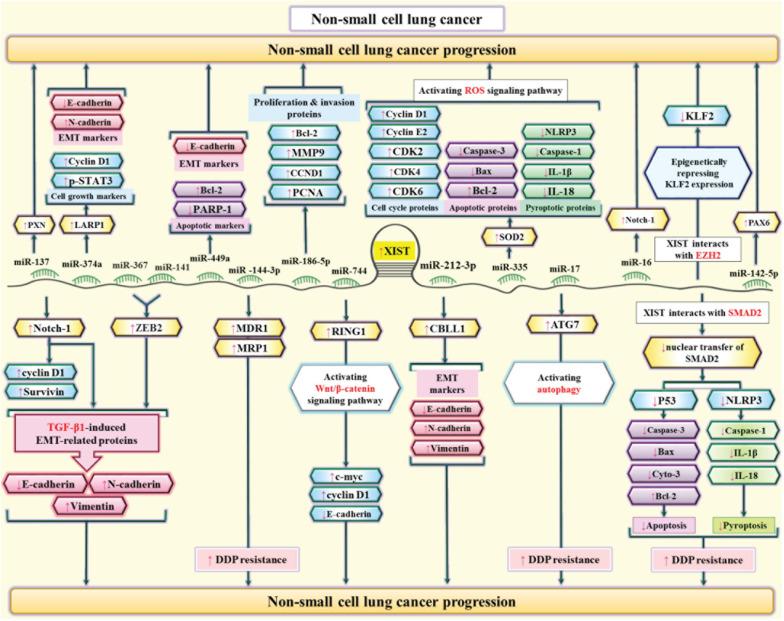
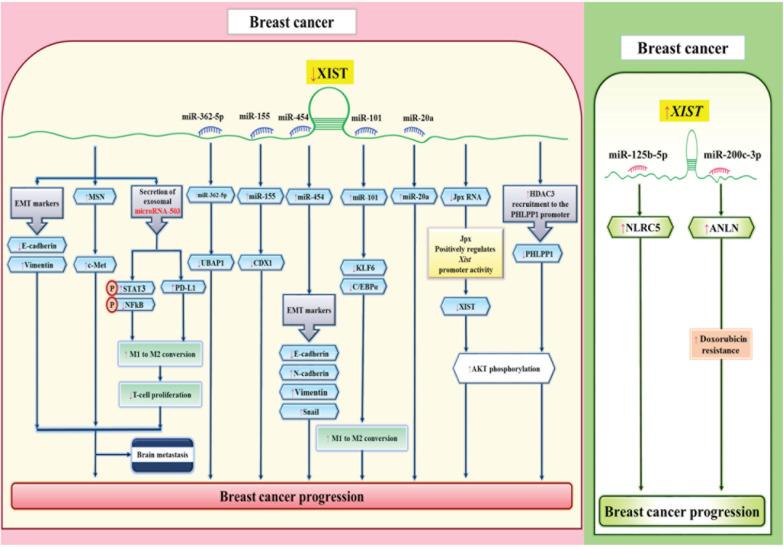
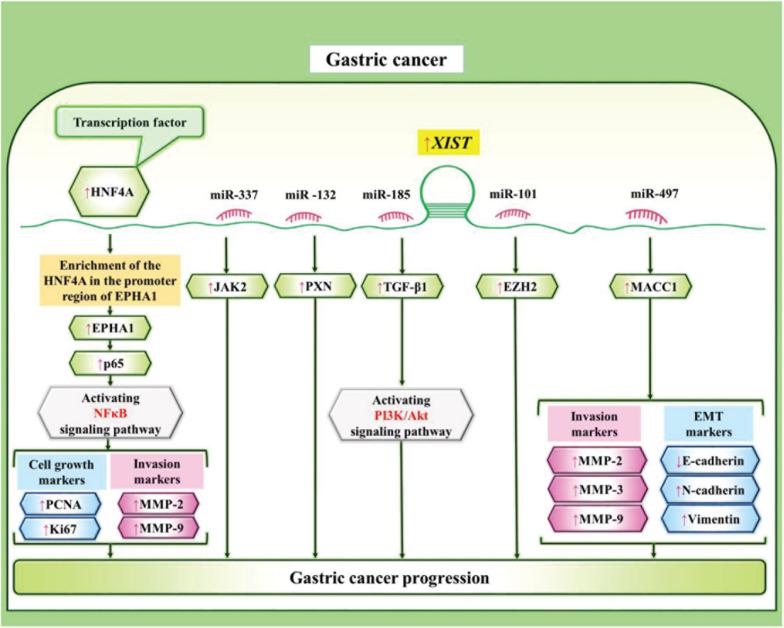
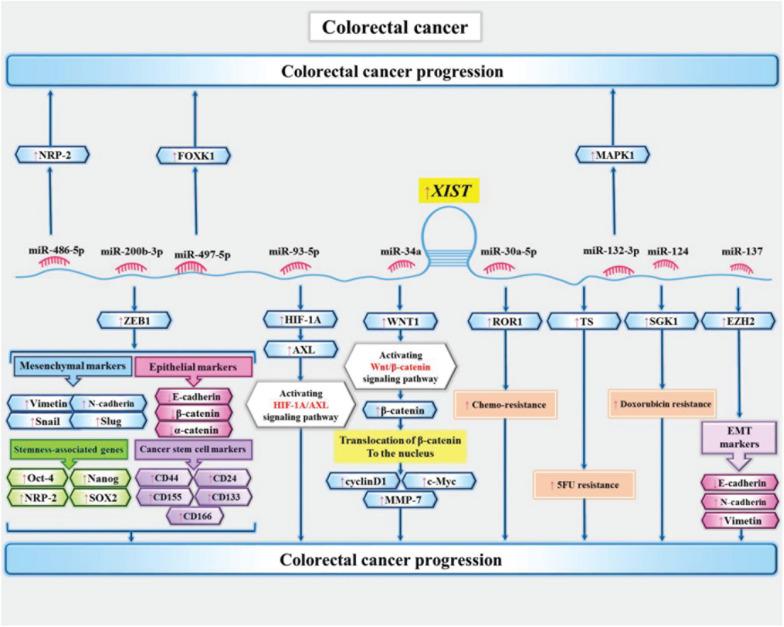
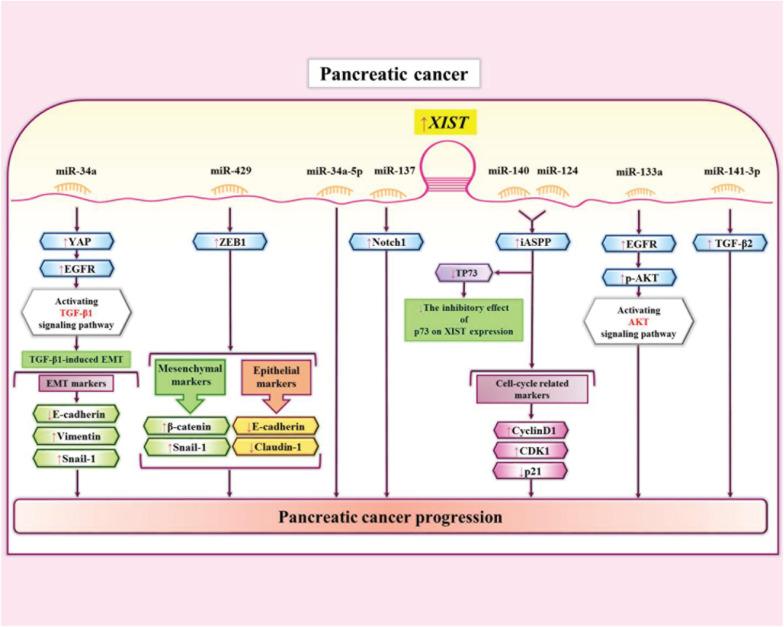
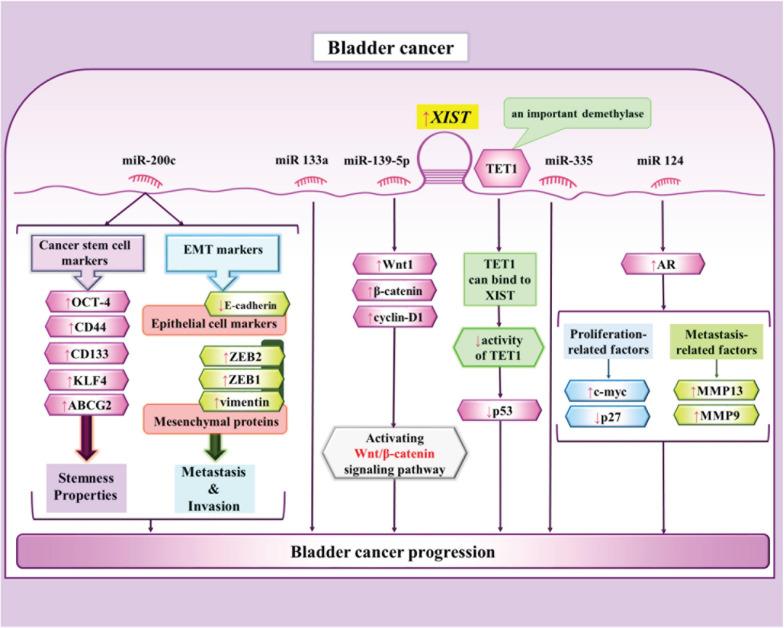
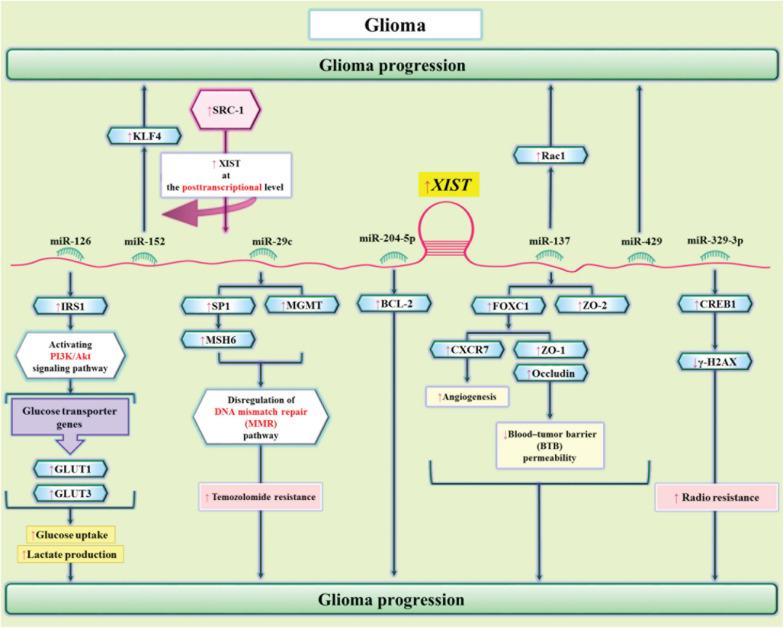
X-inactive-specific transcript (XIST) is one of the firstly discovered long non-coding RNAs with prominent roles in the process of X inactivation. Moreover, this transcript contributes in the carcinogenic process in different tissues. In addition to interacting with chromatin modifying molecules, XIST can be served as a molecular sponge for miRNAs to modulate expression of miRNA targets. Most of the studies have indicated an oncogenic role for XIST. However, in prostate cancer, a single study has indicated a tumor suppressor role for this lncRNA. Similar result has been reported for XIST in oral squamous cell carcinoma. In hepatocellular carcinoma, breast cancer, ovarian cancer, osteosarcoma, and renal cell carcinoma, different studies have reported inconsistent results. In the present manuscript, we review function of XIST in the carcinogenesis.
X染色体失活特异性转录本(XIST)是最早发现的长链非编码RNA之一,在X染色体失活过程中发挥着重要作用。此外,该转录本在不同组织的致癌过程中也有作用。除了与染色质修饰分子相互作用外,XIST还可作为miRNA的分子海绵来调节miRNA靶标的表达。大多数研究表明XIST具有致癌作用。然而,在前列腺癌中,仅有一项研究表明该长链非编码RNA具有肿瘤抑制作用。在口腔鳞状细胞癌中,关于XIST也有类似的报道。在肝细胞癌、乳腺癌、卵巢癌、骨肉瘤和肾细胞癌中,不同的研究报道了不一致的结果。在本手稿中,我们综述了XIST在致癌作用中的功能。
 Zotero 插件