
铝的环境污染:无声的杀手。
Aluminum environmental pollution: the silent killer.
机构信息
Division of Sustainable Development (DSD), College of Science and Engineering (CSE), Hamad Bin Khalifa University (HBKU)/Qatar Foundation (QF), P.O. Box 5825, Doha, Qatar.
出版信息
Environ Sci Pollut Res Int. 2021 Sep;28(33):44587-44597. doi: 10.1007/s11356-021-14700-0. Epub 2021 Jul 1.
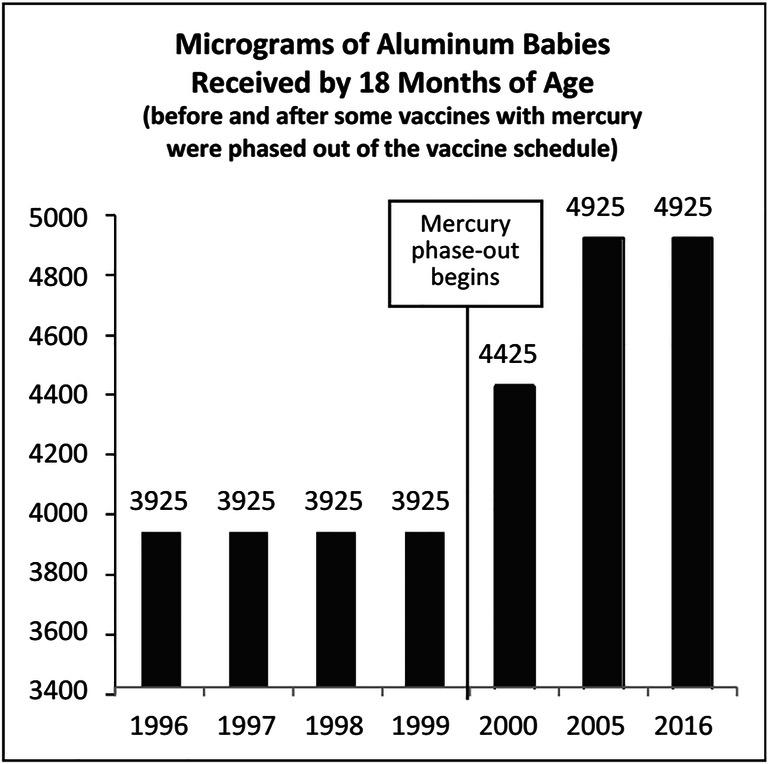
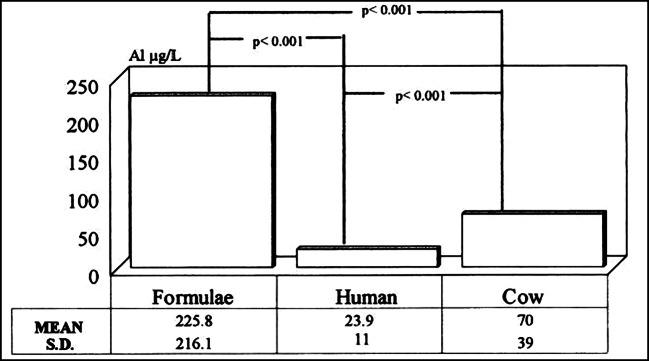
The concern about aluminum (Al) toxicity has been proven in various cases. Some cases are associated with the fact that Al is a neurotoxic substance that has been found in high levels in the brain tissues of Alzheimer's disease (AD), epilepsy, and autism patients. Other cases are related to infants, especially premature infants and ones with renal failure, who are at the risk of developing the central nervous system (CNS) and bone toxicity. This risk is a result of infants' exposure to Al from milk formulas, intravenous-feeding solutions, and possibly from aluminum-containing vaccinations. Furthermore, most antiperspirants contain aluminum compounds that raise human exposure to toxic Al. This review paper is intended to discuss in detail the above concerns associated with aluminum, and hence urges the need for more studies exploring the effects of overexposure to Al and recommending mitigation actions.
人们已经证实了对铝(Al)毒性的担忧在各种情况下都存在。一些情况与以下事实有关:铝是一种神经毒性物质,在阿尔茨海默病(AD)、癫痫和自闭症患者的脑组织中发现了高水平的铝。其他情况则与婴儿有关,特别是早产儿和肾衰竭的婴儿,他们有患中枢神经系统(CNS)和骨骼毒性的风险。这种风险是由于婴儿从牛奶配方、静脉输液和可能含铝的疫苗中接触到铝所致。此外,大多数止汗剂都含有会增加人体接触有毒 Al 的铝化合物。本文旨在详细讨论与铝有关的上述问题,并因此强烈呼吁进行更多研究,以探讨过度暴露于 Al 的影响,并建议采取缓解措施。

 Zotero 插件