
甲型流感病毒关闭蛋白对宿主免疫反应的影响
Impact of Influenza A Virus Shutoff Proteins on Host Immune Responses.
作者信息
Dunagan Megan M, Hardy Kala, Takimoto Toru
机构信息
Department of Microbiology and Immunology, University of Rochester Medical Center, 601 Elmwood Ave., Rochester, NY 14642, USA.
出版信息
Vaccines (Basel). 2021 Jun 10;9(6):629. doi: 10.3390/vaccines9060629.
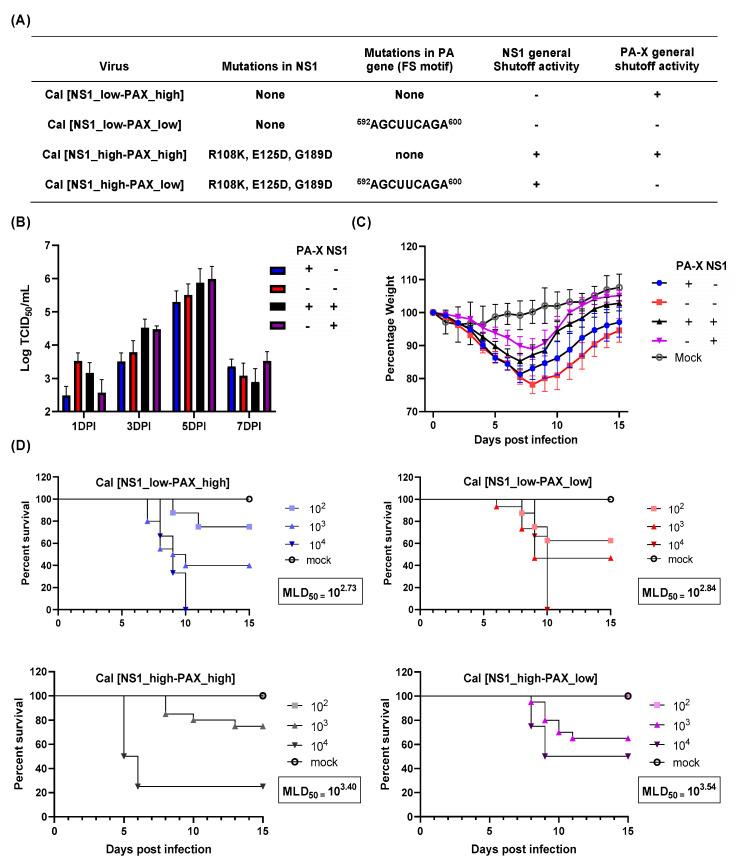
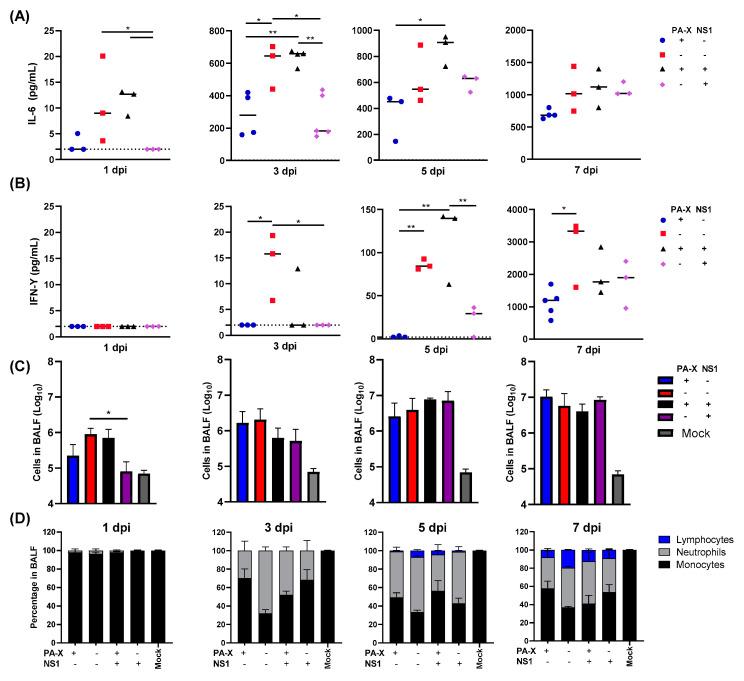
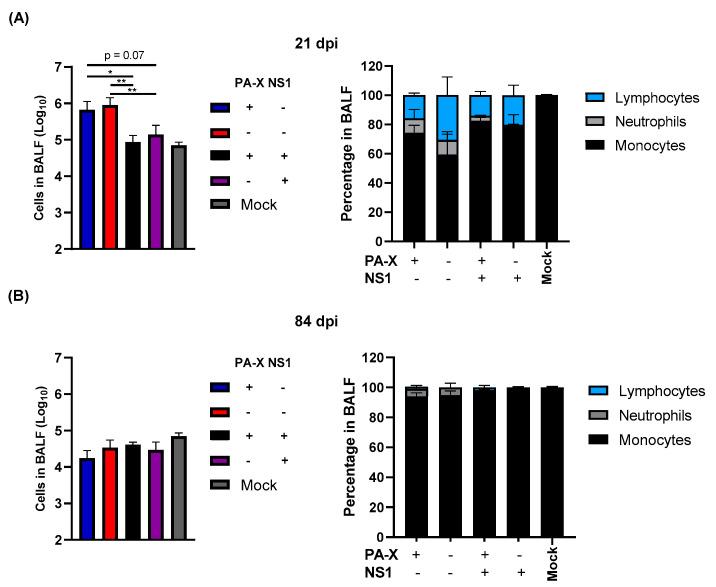
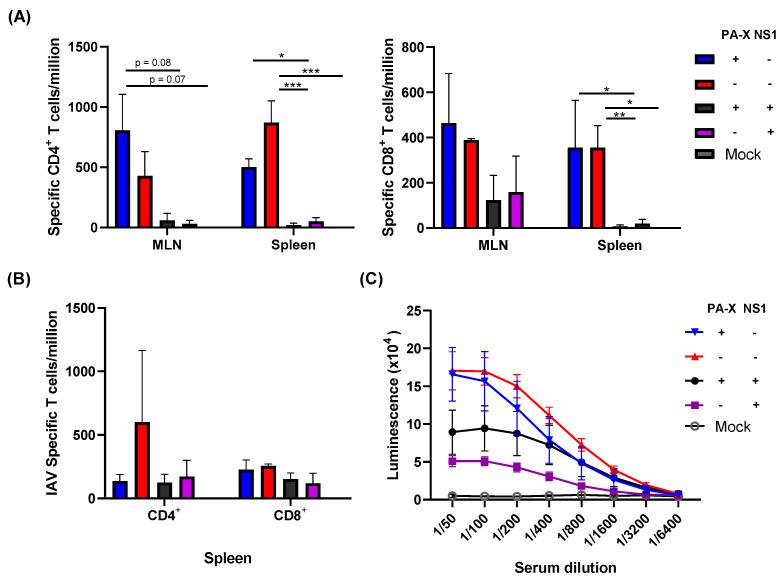
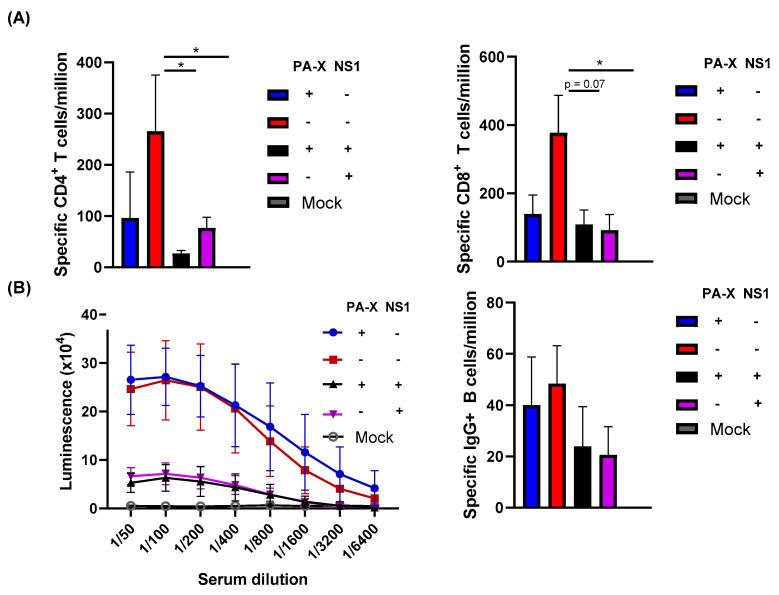
Influenza A virus (IAV) is a significant human pathogen that causes seasonal epidemics. Although various types of vaccines are available, IAVs still circulate among human populations, possibly due to their ability to circumvent host immune responses. IAV expresses two host shutoff proteins, PA-X and NS1, which antagonize the host innate immune response. By transcriptomic analysis, we previously showed that PA-X is a major contributor for general shutoff, while shutoff active NS1 specifically inhibits the expression of host cytokines, MHC molecules, and genes involved in innate immunity in cultured human cells. So far, the impact of these shutoff proteins in the acquired immune response in vivo has not been determined in detail. In this study, we analyzed the effects of PA-X and NS1 shutoff activities on immune response using recombinant influenza A/California/04/2009 viruses containing mutations affecting the expression of shutoff active PA-X and NS1 in a mouse model. Our data indicate that the virus without shutoff activities induced the strongest T and B cell responses. Both PA-X and NS1 reduced host immune responses, but shutoff active NS1 most effectively suppressed lymphocyte migration to the lungs, antibody production, and the generation of IAV specific CD4 and CD8 T cells. NS1 also prevented the generation of protective immunity against a heterologous virus challenge. These data indicate that shutoff active NS1 plays a major role in suppressing host immune responses against IAV infection.
甲型流感病毒(IAV)是一种重要的人类病原体,可引发季节性流行。尽管有多种类型的疫苗可供使用,但IAV仍在人群中传播,这可能是因为它们能够规避宿主的免疫反应。IAV表达两种宿主关闭蛋白,即PA-X和NS1,它们可拮抗宿主的固有免疫反应。通过转录组分析,我们先前表明PA-X是总体关闭的主要促成因素,而具有关闭活性的NS1则特异性抑制培养的人类细胞中宿主细胞因子、MHC分子以及参与固有免疫的基因的表达。到目前为止,这些关闭蛋白在体内获得性免疫反应中的影响尚未得到详细确定。在本研究中,我们使用含有影响具有关闭活性的PA-X和NS1表达的突变的重组甲型流感病毒A/加利福尼亚/04/2009,在小鼠模型中分析了PA-X和NS1关闭活性对免疫反应的影响。我们的数据表明,没有关闭活性的病毒诱导了最强的T细胞和B细胞反应。PA-X和NS1均降低了宿主免疫反应,但具有关闭活性的NS1最有效地抑制了淋巴细胞向肺部的迁移、抗体产生以及IAV特异性CD4和CD8 T细胞的产生。NS1还阻止了针对异源病毒攻击的保护性免疫的产生。这些数据表明,具有关闭活性的NS1在抑制宿主针对IAV感染的免疫反应中起主要作用。

 Zotero 插件