
介孔二氧化硅颗粒作为药物递送系统——负载方法的现状及监测这些过程的分析技术的最新进展
Mesoporous Silica Particles as Drug Delivery Systems-The State of the Art in Loading Methods and the Recent Progress in Analytical Techniques for Monitoring These Processes.
作者信息
Trzeciak Katarzyna, Chotera-Ouda Agata, Bak-Sypien Irena I, Potrzebowski Marek J
机构信息
Centre of Molecular and Macromolecular Studies, Polish Academy of Sciences, Sienkiewicza 112, 90-363 Lodz, Poland.
出版信息
Pharmaceutics. 2021 Jun 24;13(7):950. doi: 10.3390/pharmaceutics13070950.
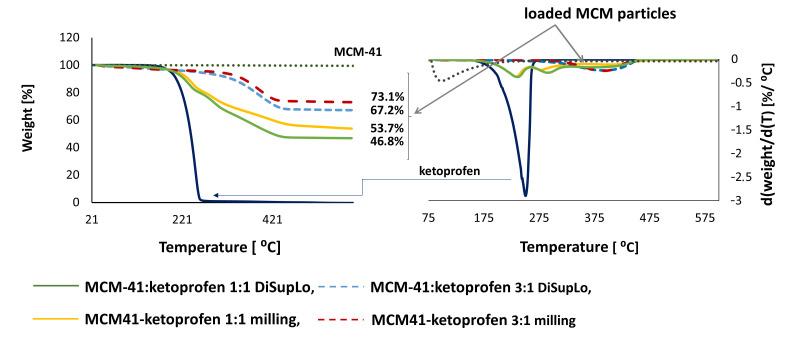
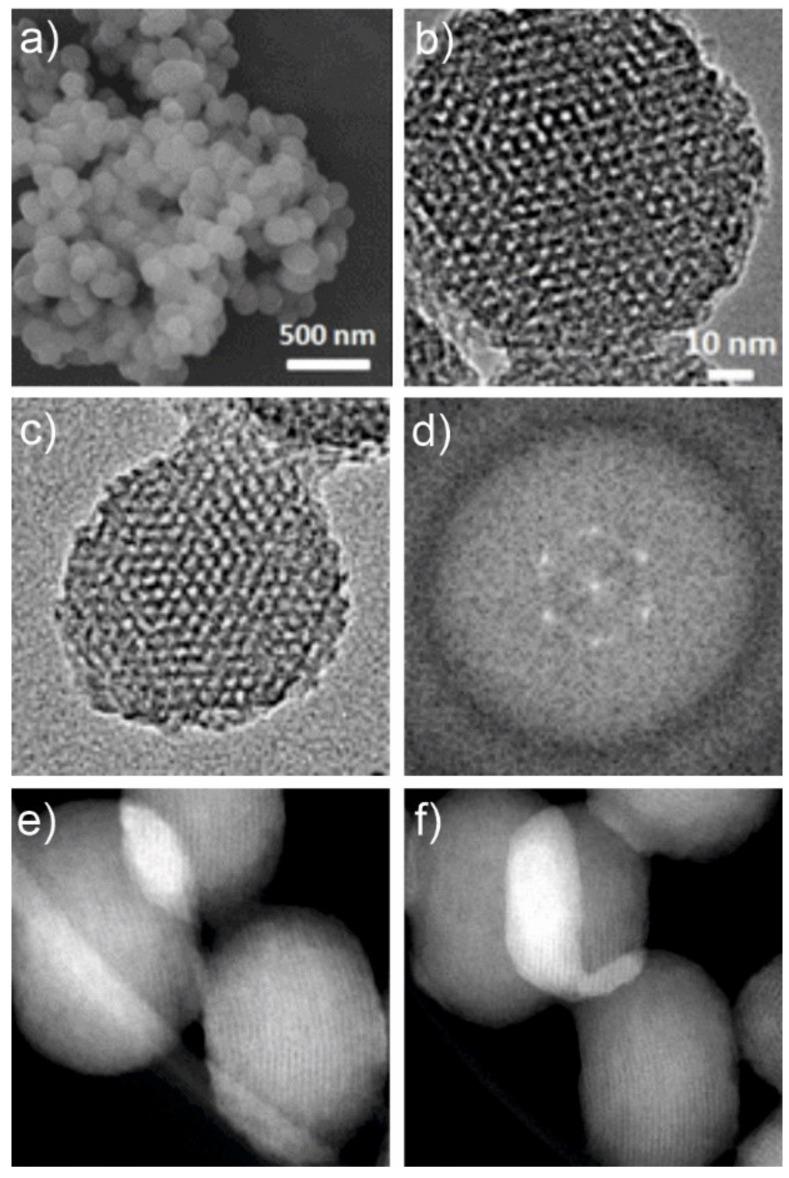
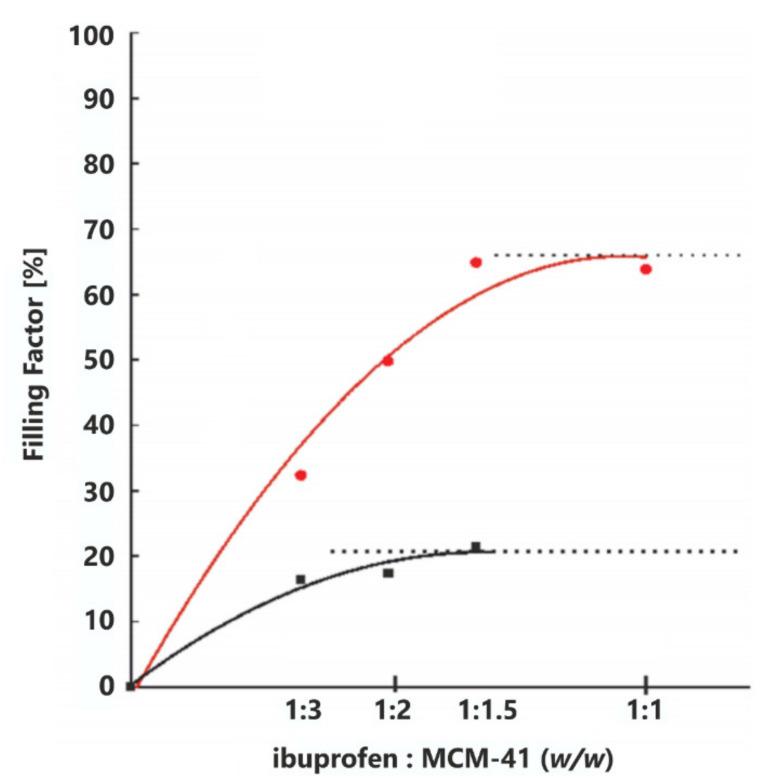
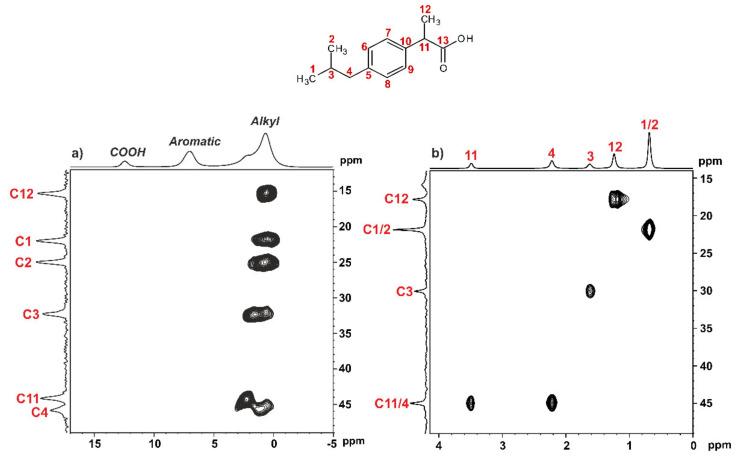
Conventional administration of drugs is limited by poor water solubility, low permeability, and mediocre targeting. Safe and effective delivery of drugs and therapeutic agents remains a challenge, especially for complex therapies, such as cancer treatment, pain management, heart failure medication, among several others. Thus, delivery systems designed to improve the pharmacokinetics of loaded molecules, and allowing controlled release and target specific delivery, have received considerable attention in recent years. The last two decades have seen a growing interest among scientists and the pharmaceutical industry in mesoporous silica nanoparticles (MSNs) as drug delivery systems (DDS). This interest is due to the unique physicochemical properties, including high loading capacity, excellent biocompatibility, and easy functionalization. In this review, we discuss the current state of the art related to the preparation of drug-loaded MSNs and their analysis, focusing on the newest advancements, and highlighting the advantages and disadvantages of different methods. Finally, we provide a concise outlook for the remaining challenges in the field.
传统的药物给药方式受到水溶性差、渗透性低和靶向性一般的限制。安全有效地递送药物和治疗剂仍然是一项挑战,尤其是对于癌症治疗、疼痛管理、心力衰竭药物治疗等多种复杂疗法而言。因此,旨在改善负载分子药代动力学并实现控释和靶向特异性递送的递送系统近年来受到了广泛关注。在过去二十年中,科学家和制药行业对介孔二氧化硅纳米颗粒(MSNs)作为药物递送系统(DDS)的兴趣与日俱增。这种兴趣源于其独特的物理化学性质,包括高负载能力、出色的生物相容性和易于功能化。在本综述中,我们讨论了与载药MSNs的制备及其分析相关的当前技术水平,重点关注最新进展,并强调不同方法的优缺点。最后,我们对该领域尚存的挑战给出了简要展望。








 Zotero 插件