
鉴定 FDA 批准的针对 SARS-CoV-2 RNA 依赖性 RNA 聚合酶(RdRp)和 3-糜蛋白酶样蛋白酶(3CLpro)的药物,药物再利用方法。
Identification of FDA approved drugs against SARS-CoV-2 RNA dependent RNA polymerase (RdRp) and 3-chymotrypsin-like protease (3CLpro), drug repurposing approach.
机构信息
Proteomics Research Center, Shahid Beheshti University of Medical Science, Tehran, Iran.
Proteomics Research Center, Shahid Beheshti University of Medical Science, Tehran, Iran; Department of Biology, Science and Research Branch, Islamic Azad University, Tehran, Iran.
出版信息
Biomed Pharmacother. 2021 Jun;138:111544. doi: 10.1016/j.biopha.2021.111544. Epub 2021 Mar 31.
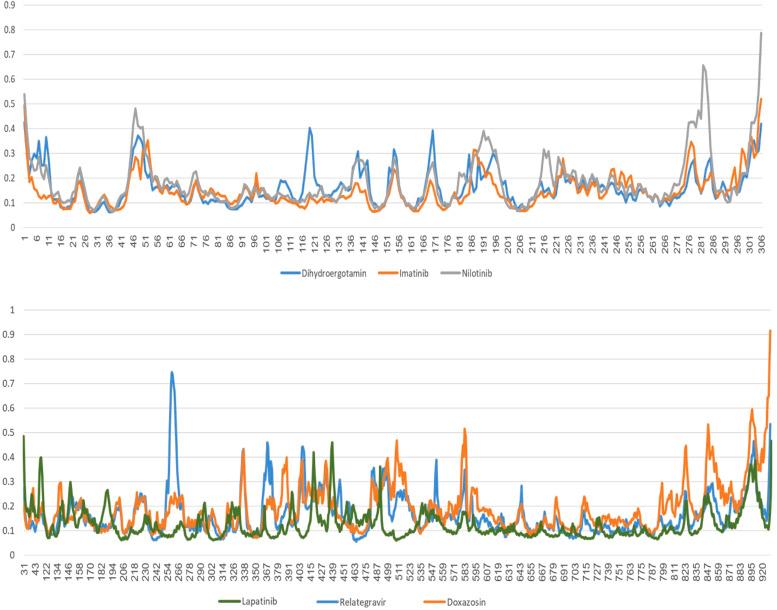
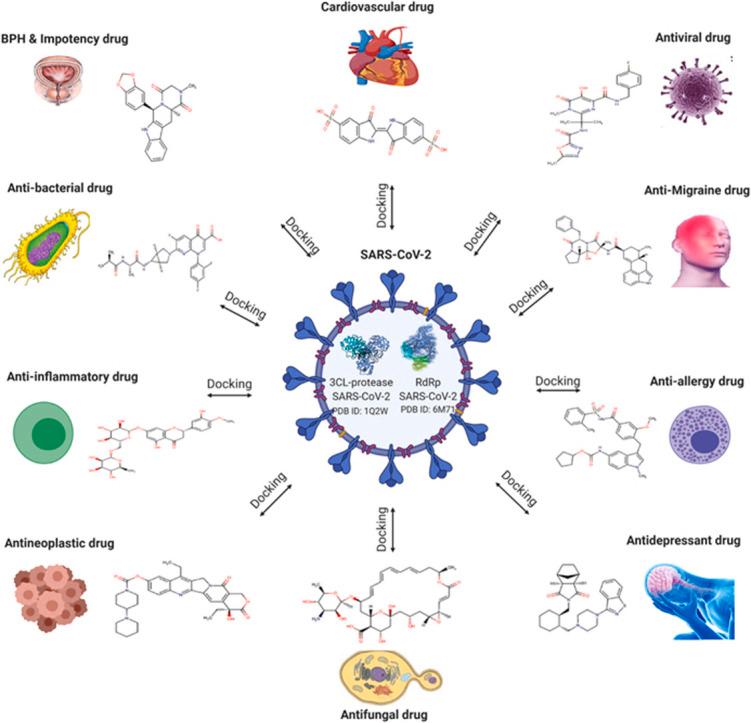
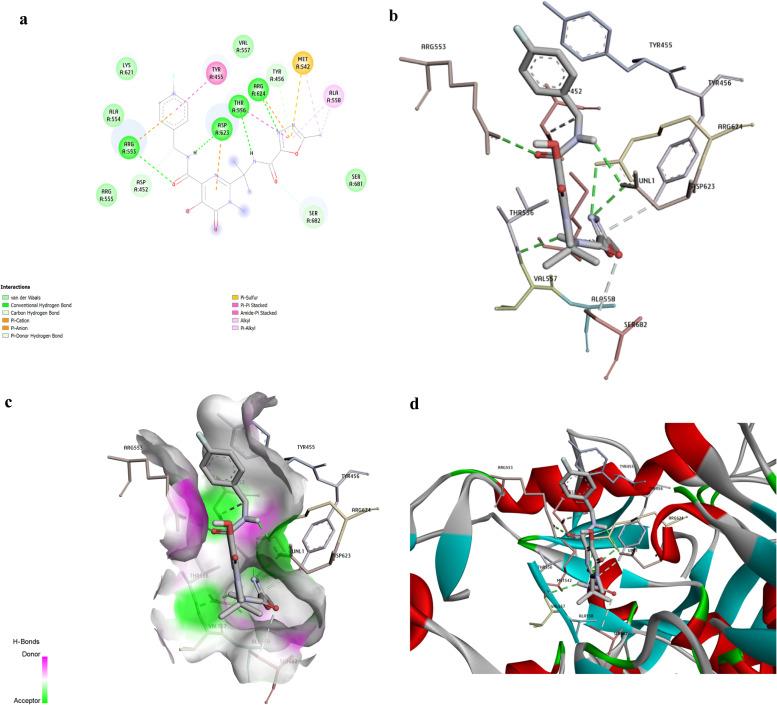
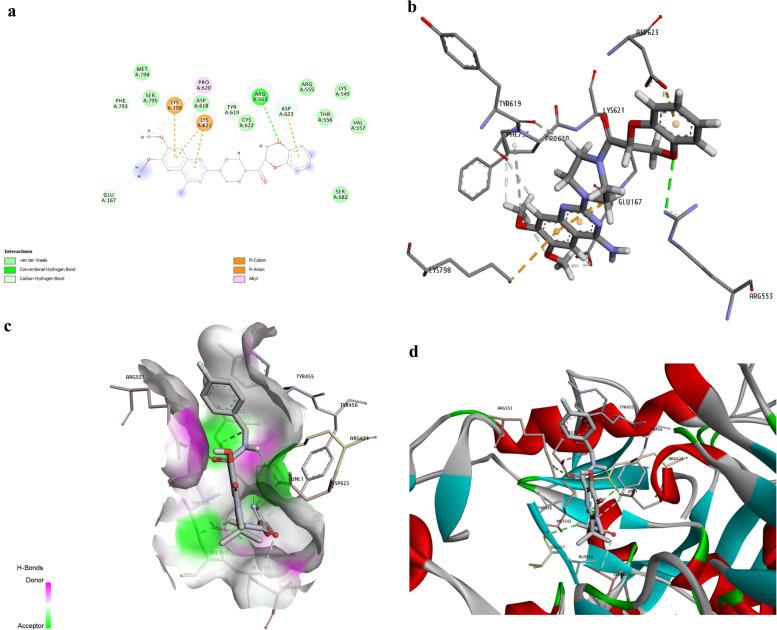
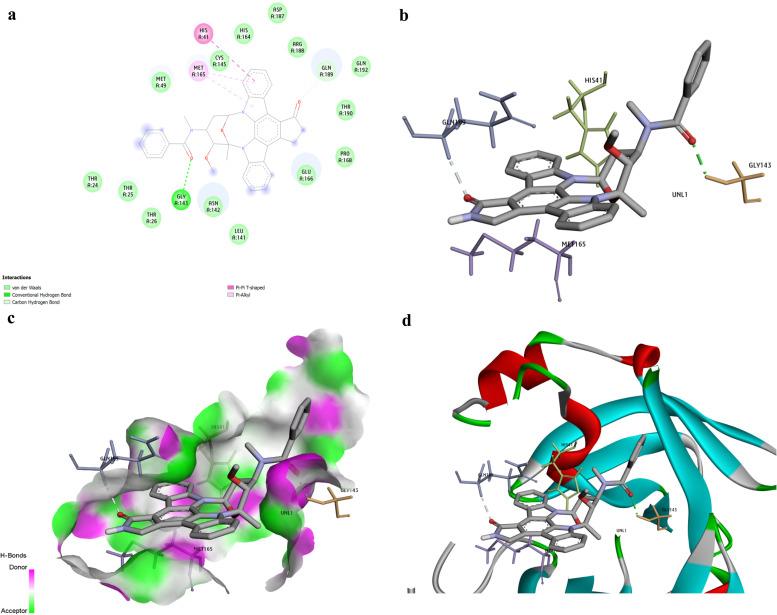
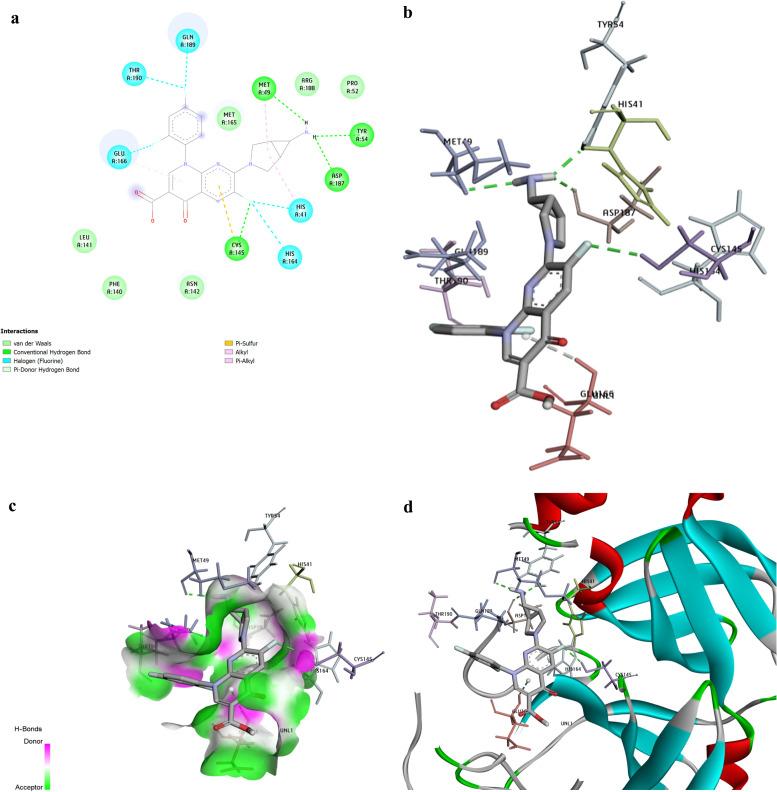
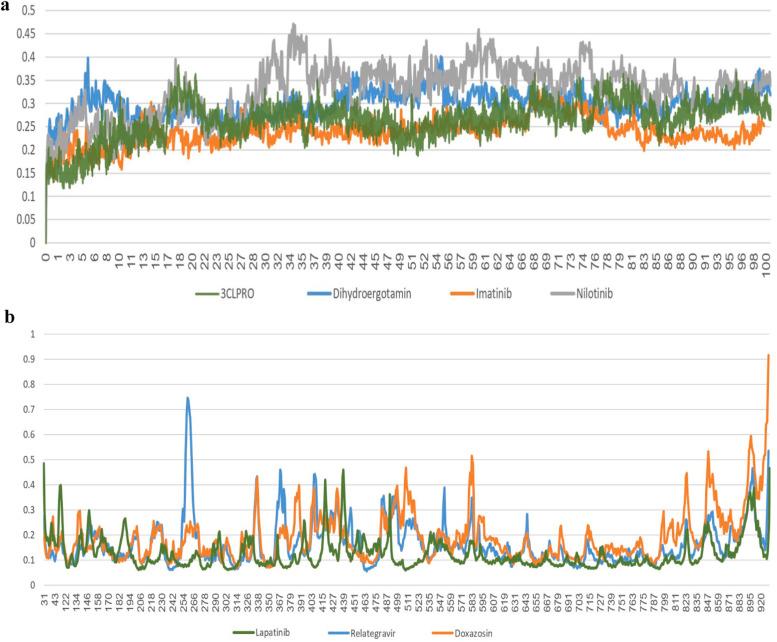
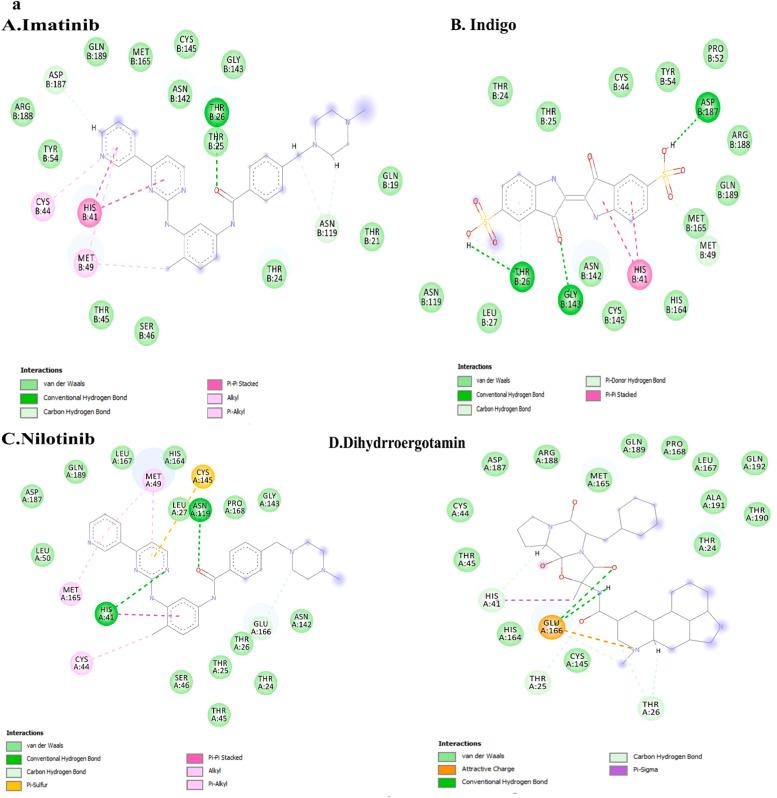
The RNA-dependent RNA polymerase (RdRp) and 3C-like protease (3CLpro) from SARS-CoV-2 play crucial roles in the viral life cycle and are considered the most promising targets for drug discovery against SARS-CoV-2. In this study, FDA-approved drugs were screened to identify the probable anti-RdRp and 3CLpro inhibitors by molecular docking approach. The number of ligands selected from the PubChem database of NCBI for screening was 1760. Ligands were energy minimized using Open Babel. The RdRp and 3CLpro protein sequences were retrieved from the NCBI database. For Homology Modeling predictions, we used the Swiss model server. Their structure was then energetically minimized using SPDB viewer software and visualized in the CHIMERA UCSF software. Molecular dockings were performed using AutoDock Vina, and candidate drugs were selected based on binding affinity (∆G). Hydrogen bonding and hydrophobic interactions between ligands and proteins were visualized using Ligplot and the Discovery Studio Visualizer v3.0 software. Our results showed 58 drugs against RdRp, which had binding energy of - 8.5 or less, and 69 drugs to inhibit the 3CLpro enzyme with a binding energy of - 8.1 or less. Six drugs based on binding energy and number of hydrogen bonds were chosen for the next step of molecular dynamics (MD) simulations to investigate drug-protein interactions (including Nilotinib, Imatinib and dihydroergotamine for 3clpro and Lapatinib, Dexasone and Relategravir for RdRp). Except for Lapatinib, other drugs-complexes were stable during MD simulation. Raltegravir, an anti-HIV drug, was observed to be the best compound against RdRp based on docking binding energy (-9.5 kcal/mole) and MD results. According to the MD results and binding energy, dihydroergotamine is a suitable candidate for 3clpro inhibition (-9.6 kcal/mol). These drugs were classified into several categories, including antiviral, antibacterial, anti-inflammatory, anti-allergic, cardiovascular, anticoagulant, BPH and impotence, antipsychotic, antimigraine, anticancer, and so on. The common prescription-indications for some of these medication categories appeared somewhat in line with manifestations of COVID-19. We hope that they can be beneficial for patients with certain specific symptoms of SARS-CoV-2 infection, but they can also probably inhibit viral enzymes. We recommend further experimental evaluations in vitro and in vivo on these FDA-approved drugs to assess their potential antiviral effect on SARS-CoV-2.
新型冠状病毒的 RNA 依赖性 RNA 聚合酶(RdRp)和 3C 样蛋白酶(3CLpro)在病毒生命周期中发挥着关键作用,被认为是针对 SARS-CoV-2 的药物发现最有前途的靶标。本研究采用分子对接方法筛选美国食品和药物管理局(FDA)批准的药物,以鉴定可能的 RdRp 和 3CLpro 抑制剂。从 NCBI 的 PubChem 数据库中选择用于筛选的配体数量为 1760 个。使用 Open Babel 对配体进行能量最小化处理。从 NCBI 数据库中检索 RdRp 和 3CLpro 蛋白序列。对于同源建模预测,我们使用瑞士模型服务器。然后使用 SPDB 查看器软件对其结构进行能量最小化,并在 CHIMERA UCSF 软件中进行可视化。使用 AutoDock Vina 进行分子对接,并根据结合亲和力(∆G)选择候选药物。使用 Ligplot 和 Discovery Studio Visualizer v3.0 软件可视化配体与蛋白质之间的氢键和疏水相互作用。我们的结果显示,有 58 种针对 RdRp 的药物,其结合能为-8.5 或更低,有 69 种抑制 3CLpro 酶的药物,其结合能为-8.1 或更低。基于结合能和氢键数量,选择了 6 种药物进入下一步分子动力学(MD)模拟,以研究药物-蛋白相互作用(包括尼洛替尼、伊马替尼和二氢麦角胺用于 3clpro,拉帕替尼、地塞米松和雷利度胺用于 RdRp)。除了拉帕替尼外,其他药物复合物在 MD 模拟过程中都很稳定。基于对接结合能(-9.5 kcal/mol)和 MD 结果,观察到抗 HIV 药物拉替拉韦是针对 RdRp 的最佳化合物。根据 MD 结果和结合能,二氢麦角胺是 3clpro 抑制的合适候选药物(-9.6 kcal/mol)。这些药物被分为几类,包括抗病毒、抗菌、抗炎、抗过敏、心血管、抗凝、良性前列腺增生和勃起功能障碍、抗精神病、偏头痛、抗癌等。这些药物类别中的一些常见处方适应症与 COVID-19 的表现有些吻合。我们希望这些药物对 SARS-CoV-2 感染的某些特定症状的患者有益,但它们也可能抑制病毒酶。我们建议对这些 FDA 批准的药物进行进一步的体外和体内评估,以评估它们对 SARS-CoV-2 的潜在抗病毒作用。
 Zotero 插件