
PSGL-1 是一种 T 细胞内源性抑制剂,可调节病毒感染期间效应细胞和记忆细胞的分化和应答。
PSGL-1 Is a T Cell Intrinsic Inhibitor That Regulates Effector and Memory Differentiation and Responses During Viral Infection.
机构信息
Department of Molecular Biology and Biochemistry, University of California, Irvine, Irvine, CA, United States.
Infectious and Inflammatory Disease Center, NCI Designated Cancer Center, Sanford Burnham Prebys Medical Discovery Institute, La Jolla, CA, United States.
出版信息
Front Immunol. 2021 Jul 13;12:677824. doi: 10.3389/fimmu.2021.677824. eCollection 2021.
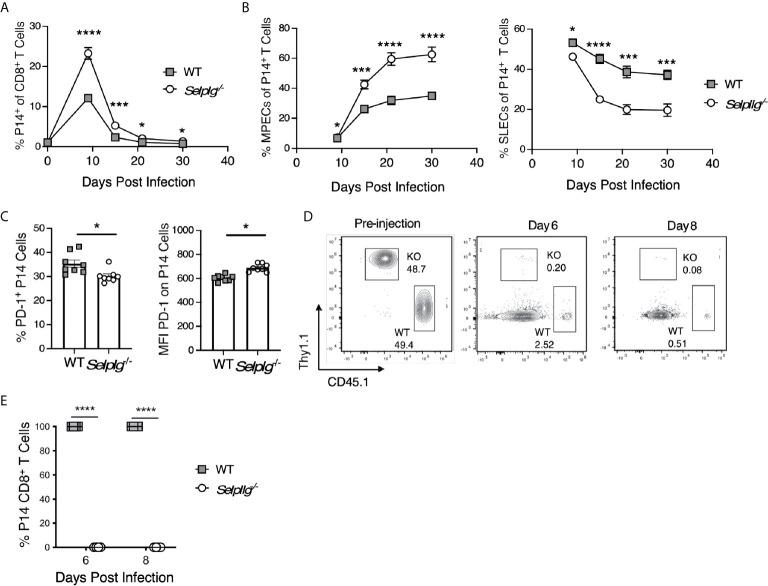
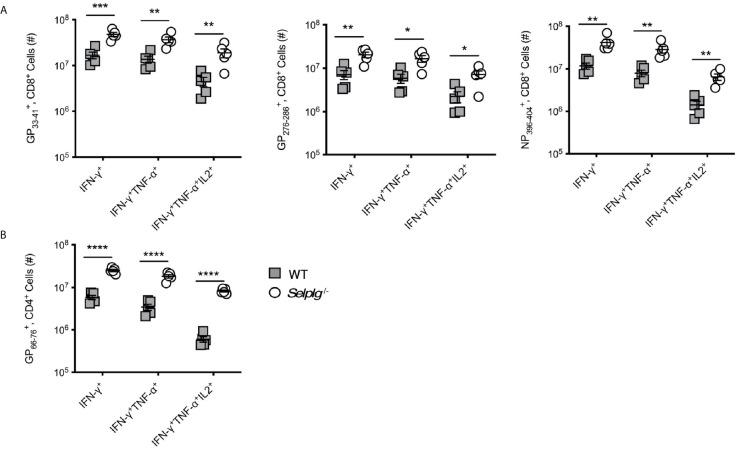
Effective T cell differentiation during acute virus infections leads to the generation of effector T cells that mediate viral clearance, as well as memory T cells that confer protection against subsequent reinfection. While inhibitory immune checkpoints have been shown to promote T cell dysfunction during chronic virus infections and in tumors, their roles in fine tuning the differentiation and responses of effector and memory T cells are only just beginning to be appreciated. We previously identified PSGL-1 as a fundamental regulator of T cell exhaustion that sustains expression of several inhibitory receptors, including PD-1. We now show that PSGL-1 can restrict the magnitude of effector T cell responses and memory T cell development to acute LCMV virus infection by limiting survival, sustaining PD-1 expression, and reducing effector responses. After infection, PSGL-1-deficient effector T cells accumulated to a greater extent than wild type T cells, and preferentially generated memory precursor cells that displayed enhanced accumulation and functional capacity in response to TCR stimulation as persisting memory cells. Although, PSGL-1-deficient memory cells did not exhibit inherent greater sensitivity to cell death, they failed to respond to a homologous virus challenge after adoptive transfer into naïve hosts indicating an impaired capacity to generate memory effector T cell responses in the context of viral infection. These studies underscore the function of PSGL-1 as a key negative regulator of effector and memory T cell differentiation and suggest that PSGL-1 may limit excessive stimulation of memory T cells during acute viral infection.
在急性病毒感染期间,有效的 T 细胞分化会导致产生效应 T 细胞,这些细胞介导病毒清除,以及记忆 T 细胞,从而提供对随后再感染的保护。虽然抑制性免疫检查点已被证明在慢性病毒感染和肿瘤中促进 T 细胞功能障碍,但它们在精细调节效应和记忆 T 细胞的分化和反应中的作用才刚刚开始被认识。我们之前发现 PSGL-1 是 T 细胞耗竭的基本调节剂,它维持着几种抑制性受体的表达,包括 PD-1。我们现在表明,PSGL-1 可以通过限制存活、维持 PD-1 表达和减少效应反应来限制急性 LCMV 病毒感染中效应 T 细胞反应和记忆 T 细胞发育的幅度。感染后,PSGL-1 缺陷型效应 T 细胞的积累程度高于野生型 T 细胞,并且优先产生记忆前体细胞,这些细胞在 TCR 刺激下表现出增强的积累和功能能力,作为持续的记忆细胞。尽管 PSGL-1 缺陷型记忆细胞本身并不表现出对细胞死亡的固有更高敏感性,但它们在过继转移到幼稚宿主后未能对同源病毒挑战产生反应,表明在病毒感染背景下,它们生成记忆效应 T 细胞反应的能力受损。这些研究强调了 PSGL-1 作为效应和记忆 T 细胞分化的关键负调节剂的功能,并表明 PSGL-1 可能在急性病毒感染期间限制记忆 T 细胞的过度刺激。



 Zotero 插件