
针对新冠病毒诱导的肺损伤及相关全身效应进行植物保护——基于证据的3PM建议以降低个体风险。
Targeting phytoprotection in the COVID-19-induced lung damage and associated systemic effects-the evidence-based 3PM proposition to mitigate individual risks.
作者信息
Liskova Alena, Koklesova Lenka, Samec Marek, Abdellatif Basma, Zhai Kevin, Siddiqui Manaal, Šudomová Miroslava, Hassan Sherif T S, Kudela Erik, Biringer Kamil, Giordano Frank A, Büsselberg Dietrich, Golubnitschaja Olga, Kubatka Peter
机构信息
Department of Obstetrics and Gynecology, Jessenius Faculty of Medicine, Comenius University in Bratislava, 03601 Martin, Slovakia.
Weill Cornell Medicine-Qatar, Education City, Qatar Foundation, Doha, 24144 Qatar.
出版信息
EPMA J. 2021 Aug 3;12(3):325-347. doi: 10.1007/s13167-021-00249-y. eCollection 2021 Sep.
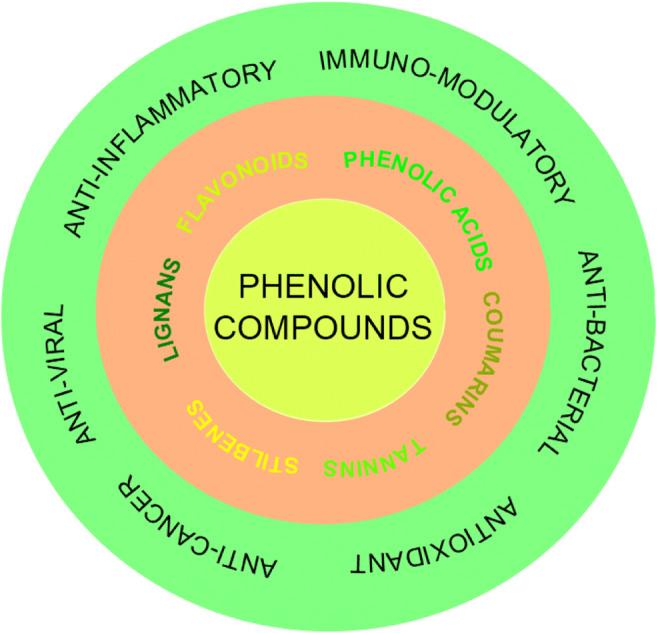
The risks related to the COVID-19 are multi-faceted including but by far not restricted to the following: direct health risks by poorly understood effects of COVID-19 infection, overloaded capacities of healthcare units, restricted and slowed down care of patients with non-communicable disorders such as cancer, neurologic and cardiovascular pathologies, among others; social risks-restricted and broken social contacts, isolation, professional disruption, explosion of aggression in the society, violence in the familial environment; mental risks-loneliness, helplessness, defenceless, depressions; and economic risks-slowed down industrial productivity, broken delivery chains, unemployment, bankrupted SMEs, inflation, decreased capacity of the state to perform socially important programs and to support socio-economically weak subgroups in the population. Directly or indirectly, the above listed risks will get reflected in a healthcare occupation and workload which is a tremendous long-term challenge for the healthcare capacity and robustness. The article does not pretend to provide solutions for all kind of health risks. However, it aims to present the scientific evidence of great clinical utility for primary, secondary, and tertiary care to protect affected individuals in a cost-effective manner. To this end, due to pronounced antimicrobial, antioxidant, anti-inflammatory, and antiviral properties, naturally occurring plant substances are capable to protect affected individuals against COVID-19-associated life-threatening complications such as lung damage. Furthermore, they can be highly effective, if being applied to secondary and tertiary care of noncommunicable diseases under pandemic condition. Thus, the stratification of patients evaluating specific health conditions such as sleep quality, periodontitis, smoking, chronic inflammation and diseases, metabolic disorders and obesity, vascular dysfunction, and cancers would enable effective managemenet of COVID-19-associated complications in primary, secondary, and tertiary care in the context of predictive, preventive, and personalized medicine (3PM).
与新冠病毒相关的风险是多方面的,包括但远不限于以下方面:新冠病毒感染的影响难以完全理解,会带来直接健康风险;医疗单位不堪重负;癌症、神经和心血管疾病等非传染性疾病患者的护理受到限制且速度放缓;社会风险——社交联系受限和中断、隔离、职业混乱、社会攻击性激增、家庭环境中的暴力行为;心理风险——孤独、无助、 defenseless(原文有误,可能是defenselessness,译为“无助感”)、抑郁;经济风险——工业生产力放缓、供应链中断、失业、中小企业破产、通货膨胀、国家执行社会重要项目以及支持社会经济弱势群体的能力下降。上述风险将直接或间接地反映在医疗职业和工作量上,这对医疗能力和稳健性构成了巨大的长期挑战。本文并非旨在为所有健康风险提供解决方案。然而,其目的是展示具有重大临床效用的科学证据,以便在初级、二级和三级护理中以具有成本效益的方式保护受影响的个体。为此,由于天然存在的植物物质具有显著的抗菌、抗氧化、抗炎和抗病毒特性,它们能够保护受影响的个体免受与新冠病毒相关的危及生命的并发症,如肺部损伤。此外,在大流行情况下将其应用于非传染性疾病的二级和三级护理时,它们可能会非常有效。因此,对患者进行分层,评估特定健康状况,如睡眠质量、牙周炎、吸烟、慢性炎症和疾病、代谢紊乱和肥胖、血管功能障碍以及癌症,将能够在预测、预防和个性化医学(3PM)的背景下,在初级、二级和三级护理中有效管理与新冠病毒相关的并发症。


 Zotero 插件