
基于金银纳米粒子的生物传感器的发展综述:一种新兴及致病性 RNA 病毒的检测策略。
A Review on the Development of Gold and Silver Nanoparticles-Based Biosensor as a Detection Strategy of Emerging and Pathogenic RNA Virus.
机构信息
Southeast Asia Disaster Prevention Research Initiative (SEADPRI), Institute for Environment and Development (LESTARI), Universiti Kebangsaan Malaysia, Bangi 43600, Selangor, Malaysia.
Department of Earth Sciences and Environment, Faculty of Science and Technology, Universiti Kebangsaan Malaysia, Bangi 43600, Selangor, Malaysia.
出版信息
Sensors (Basel). 2021 Jul 28;21(15):5114. doi: 10.3390/s21155114.
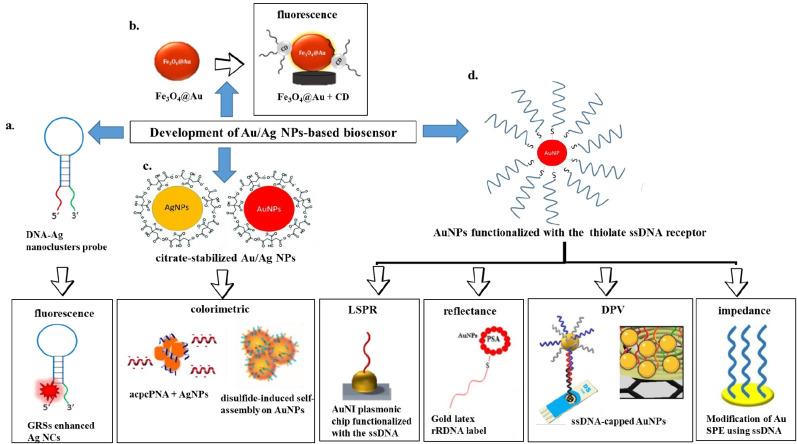
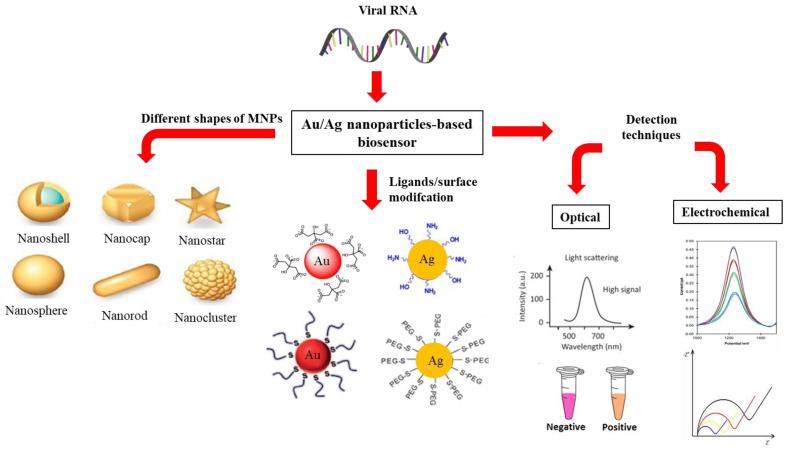
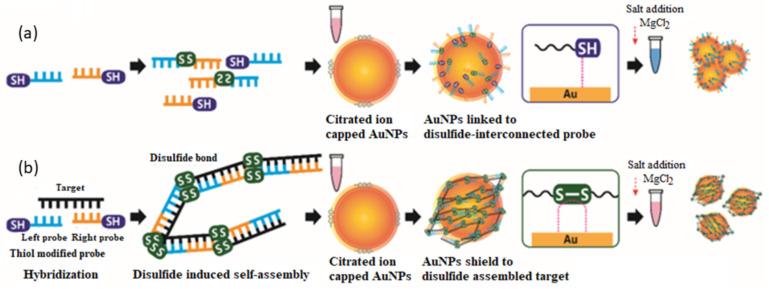
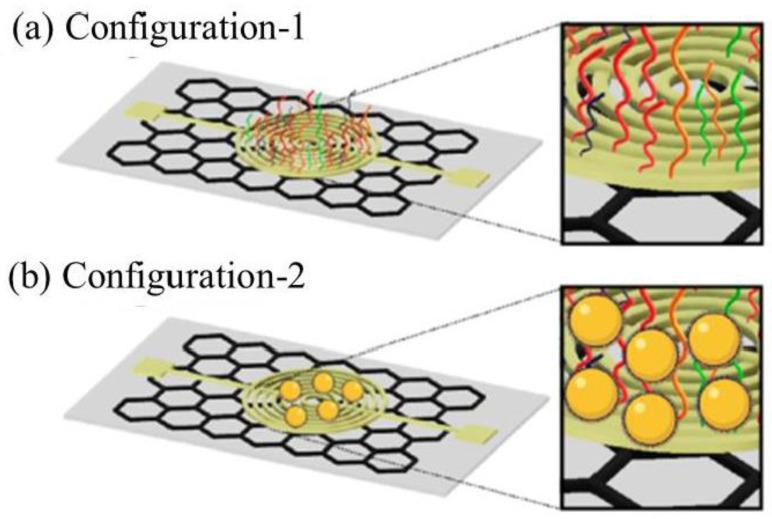
The emergence of highly pathogenic and deadly human coronaviruses, namely SARS-CoV and MERS-CoV within the past two decades and currently SARS-CoV-2, have resulted in millions of human death across the world. In addition, other human viral diseases, such as mosquito borne-viral diseases and blood-borne viruses, also contribute to a higher risk of death in severe cases. To date, there is no specific drug or medicine available to cure these human viral diseases. Therefore, the early and rapid detection without compromising the test accuracy is required in order to provide a suitable treatment for the containment of the diseases. Recently, nanomaterials-based biosensors have attracted enormous interest due to their biological activities and unique sensing properties, which enable the detection of analytes such as nucleic acid (DNA or RNA), aptamers, and proteins in clinical samples. In addition, the advances of nanotechnologies also enable the development of miniaturized detection systems for point-of-care (POC) biosensors, which could be a new strategy for detecting human viral diseases. The detection of virus-specific genes by using single-stranded DNA (ssDNA) probes has become a particular interest due to their higher sensitivity and specificity compared to immunological methods based on antibody or antigen for early diagnosis of viral infection. Hence, this review has been developed to provide an overview of the current development of nanoparticles-based biosensors that target pathogenic RNA viruses, toward a robust and effective detection strategy of the existing or newly emerging human viral diseases such as SARS-CoV-2. This review emphasizes the nanoparticles-based biosensors developed using noble metals such as gold (Au) and silver (Ag) by virtue of their powerful characteristics as a signal amplifier or enhancer in the detection of nucleic acid. In addition, this review provides a broad knowledge with respect to several analytical methods involved in the development of nanoparticles-based biosensors for the detection of viral nucleic acid using both optical and electrochemical techniques.
在过去的二十年中,高致病性和致命性的人类冠状病毒(例如 SARS-CoV 和 MERS-CoV)的出现,以及目前的 SARS-CoV-2,导致了全世界数百万人的死亡。此外,其他人类病毒病,如蚊媒病毒病和血源病毒病,也会导致重症病例的死亡风险更高。迄今为止,尚无治愈这些人类病毒病的特定药物。因此,需要在不影响测试准确性的前提下,尽早快速进行检测,以便为控制疾病提供适当的治疗。
最近,基于纳米材料的生物传感器由于其生物活性和独特的传感特性而引起了极大的兴趣,这使得能够在临床样本中检测分析物,例如核酸(DNA 或 RNA)、适配体和蛋白质。此外,纳米技术的进步还使用于即时护理(POC)生物传感器的小型化检测系统得以发展,这可能是检测人类病毒病的新策略。与基于抗体或抗原的免疫学方法相比,使用单链 DNA(ssDNA)探针检测病毒特异性基因因其更高的灵敏度和特异性而引起了特别的关注,可用于病毒感染的早期诊断。
因此,本综述旨在概述针对致病 RNA 病毒的基于纳米粒子的生物传感器的最新发展,以期建立针对现有或新出现的人类病毒病(例如 SARS-CoV-2)的强大有效的检测策略。本综述强调了使用贵金属(例如金(Au)和银(Ag))开发基于纳米粒子的生物传感器,因为它们在检测核酸时具有强大的信号放大或增强特性。此外,本综述还广泛介绍了使用光学和电化学技术开发基于纳米粒子的生物传感器以检测病毒核酸所涉及的几种分析方法。




 Zotero 插件