
环肽和拟肽的大环化策略。
Macrocyclization strategies for cyclic peptides and peptidomimetics.
作者信息
Bechtler Clément, Lamers Christina
机构信息
Department Pharmaceutical Sciences, University of Basel Klingelbergstr. 50 4056 Basel Switzerland
出版信息
RSC Med Chem. 2021 Jun 29;12(8):1325-1351. doi: 10.1039/d1md00083g. eCollection 2021 Aug 18.
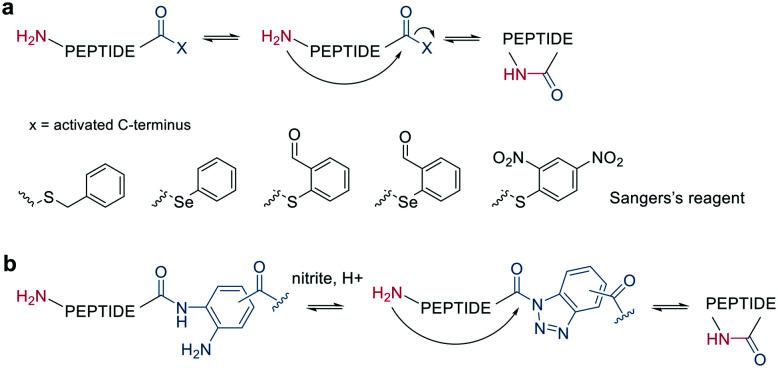
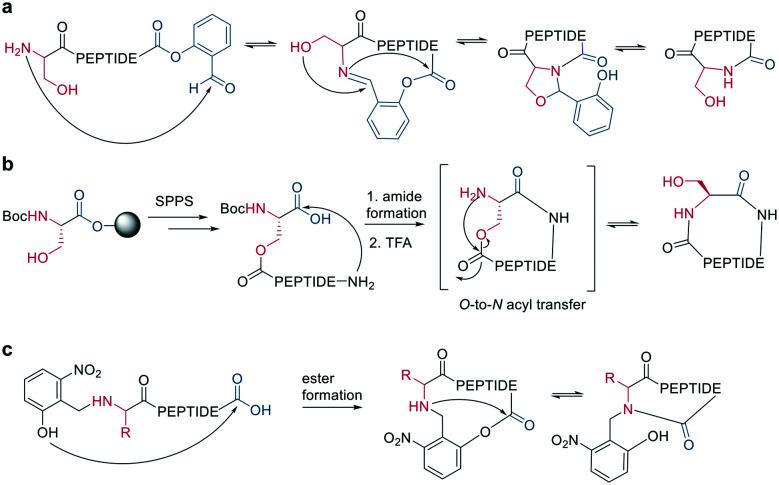
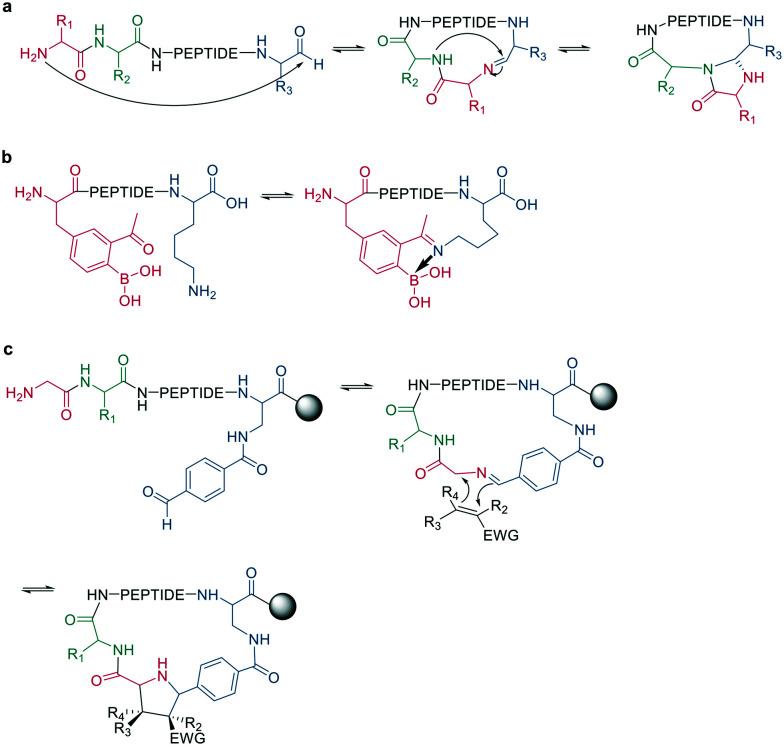
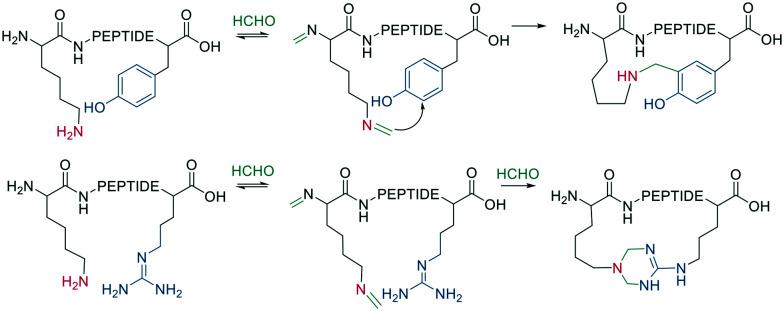
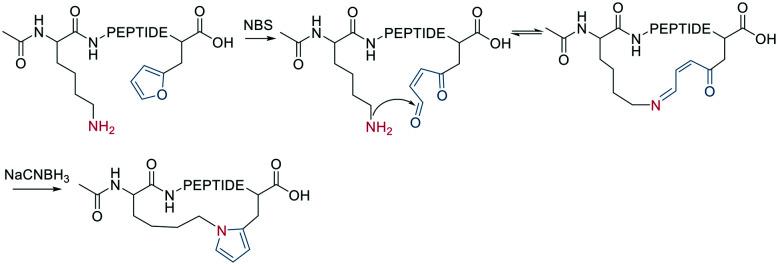
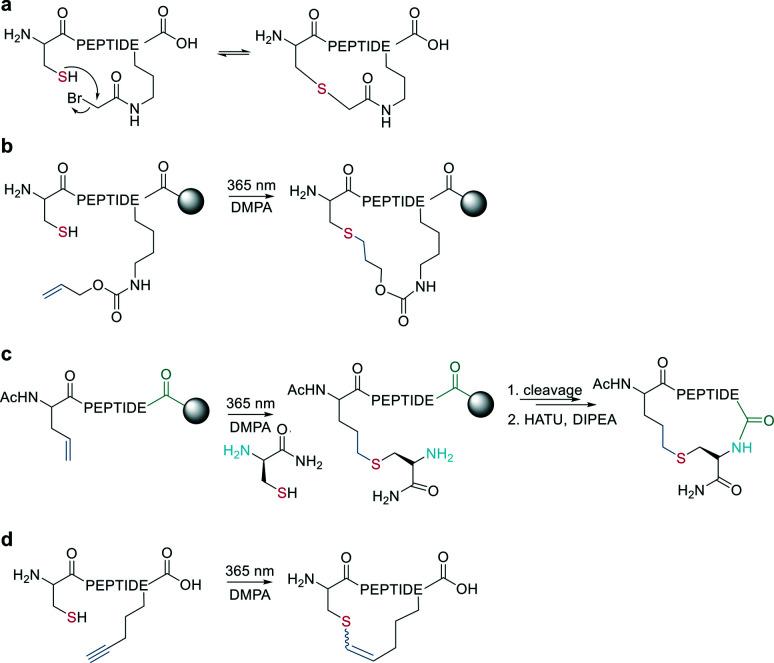
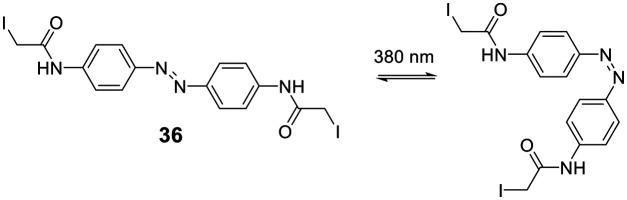
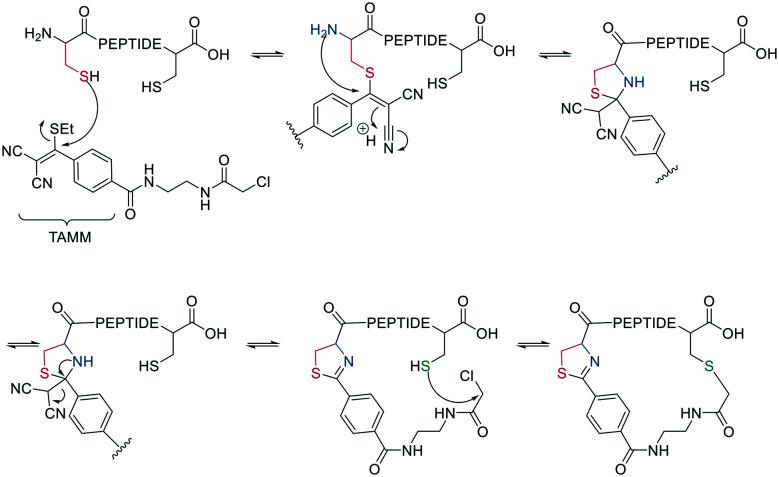
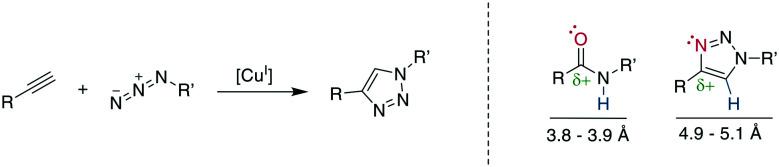
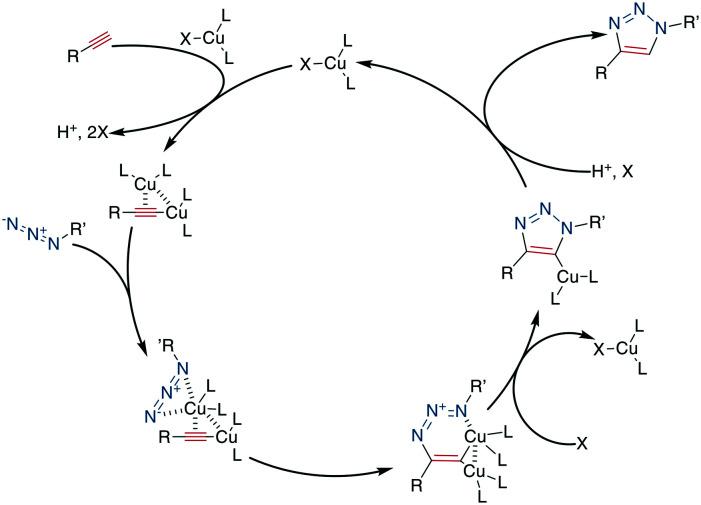
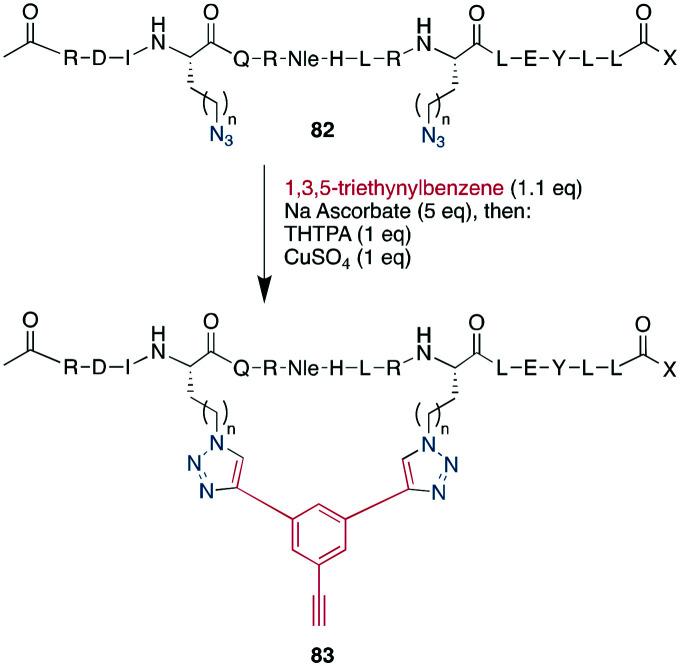
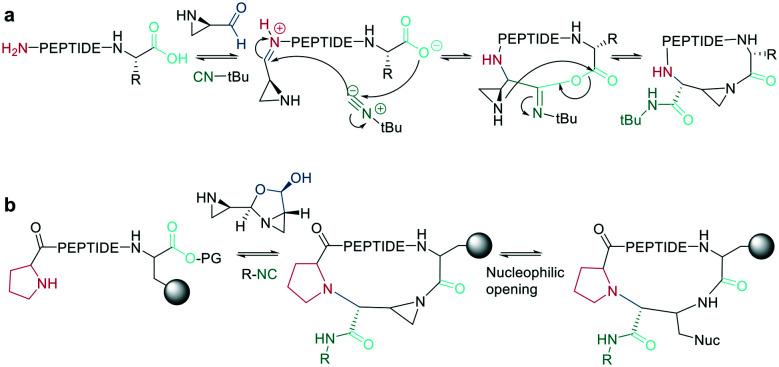
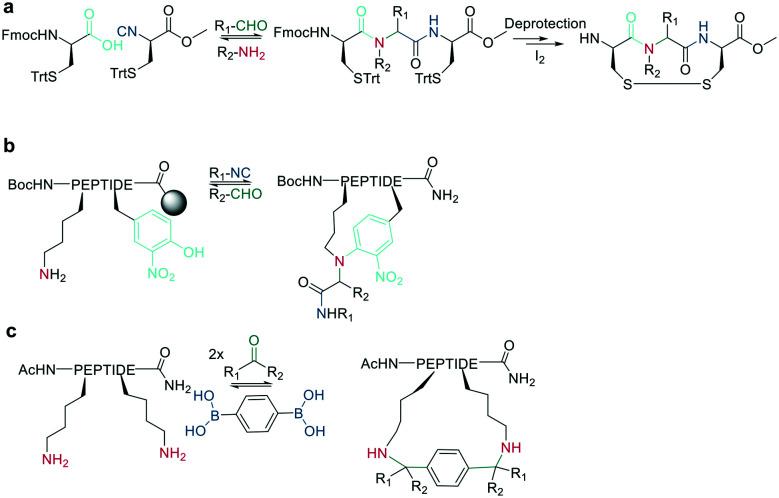
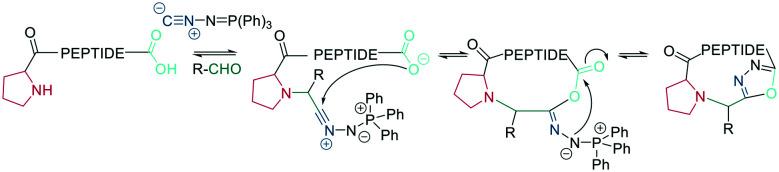
Peptides are a growing therapeutic class due to their unique spatial characteristics that can target traditionally "undruggable" protein-protein interactions and surfaces. Despite their advantages, peptides must overcome several key shortcomings to be considered as drug leads, including their high conformational flexibility and susceptibility to proteolytic cleavage. As a general approach for overcoming these challenges, macrocyclization of a linear peptide can usually improve these characteristics. Their synthetic accessibility makes peptide macrocycles very attractive, though traditional synthetic methods for macrocyclization can be challenging for peptides, especially for head-to-tail cyclization. This review provides an updated summary of the available macrocyclization chemistries, such as traditional lactam formation, azide-alkyne cycloadditions, ring-closing metathesis as well as unconventional cyclization reactions, and it is structured according to the obtained functional groups. Keeping peptide chemistry and screening in mind, the focus is given to reactions applicable in solution, on solid supports, and compatible with contemporary screening methods.
由于肽独特的空间特性,能够靶向传统上“难以成药”的蛋白质-蛋白质相互作用和表面,因此肽类作为一类治疗药物正在不断发展。尽管肽具有诸多优势,但要被视为药物先导物,它们必须克服几个关键缺点,包括其高度的构象灵活性和对蛋白水解切割的敏感性。作为克服这些挑战的一般方法,线性肽的大环化通常可以改善这些特性。肽大环化合物的合成可及性使其非常具有吸引力,不过传统的大环化合成方法对于肽来说可能具有挑战性,尤其是头对尾环化。本综述提供了现有大环化化学的最新总结,例如传统的内酰胺形成、叠氮化物-炔烃环加成、闭环复分解以及非常规环化反应,并根据所获得的官能团进行了结构安排。考虑到肽化学和筛选,重点关注适用于溶液、固相载体且与当代筛选方法兼容的反应。






















 Zotero 插件