
评估 SARS-CoV-2 巴西感染患者与 IgG 亚类相关的亲合力。
Assessment of avidity related to IgG subclasses in SARS-CoV-2 Brazilian infected patients.
机构信息
Center of Immunology, Institute Adolfo Lutz, São Paulo, Brazil.
Institute of Infectology Emilio Ribas, São Paulo, Brazil.
出版信息
Sci Rep. 2021 Sep 3;11(1):17642. doi: 10.1038/s41598-021-95045-z.
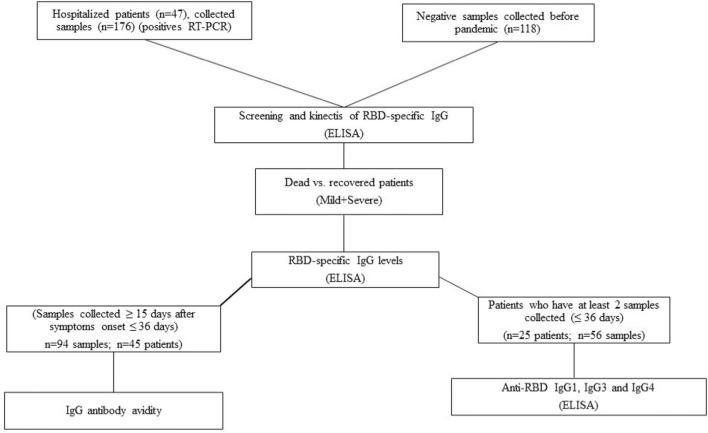
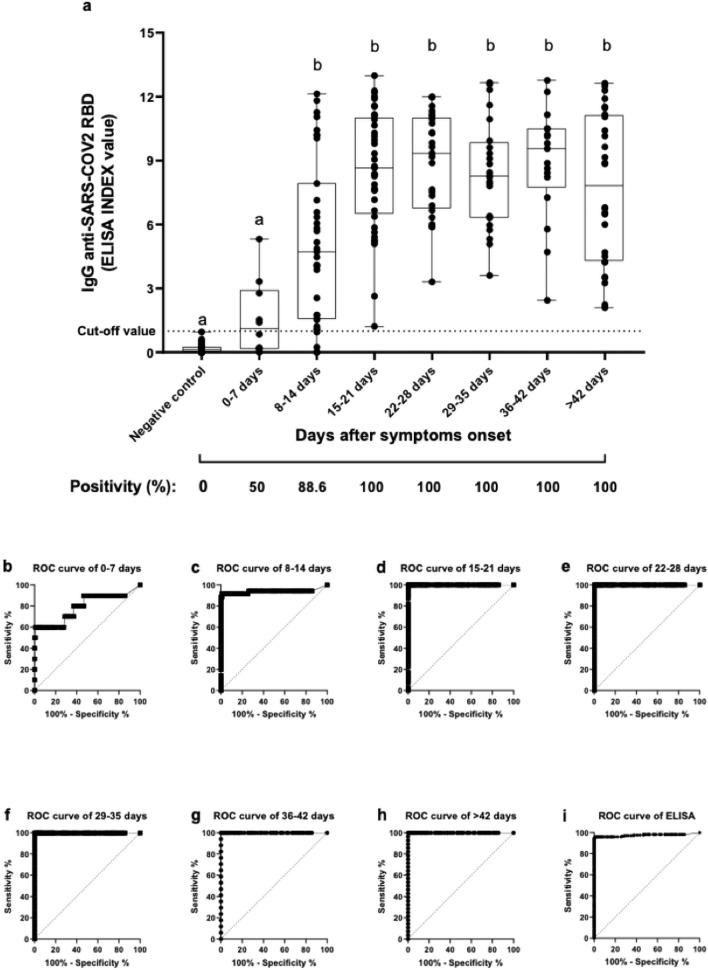
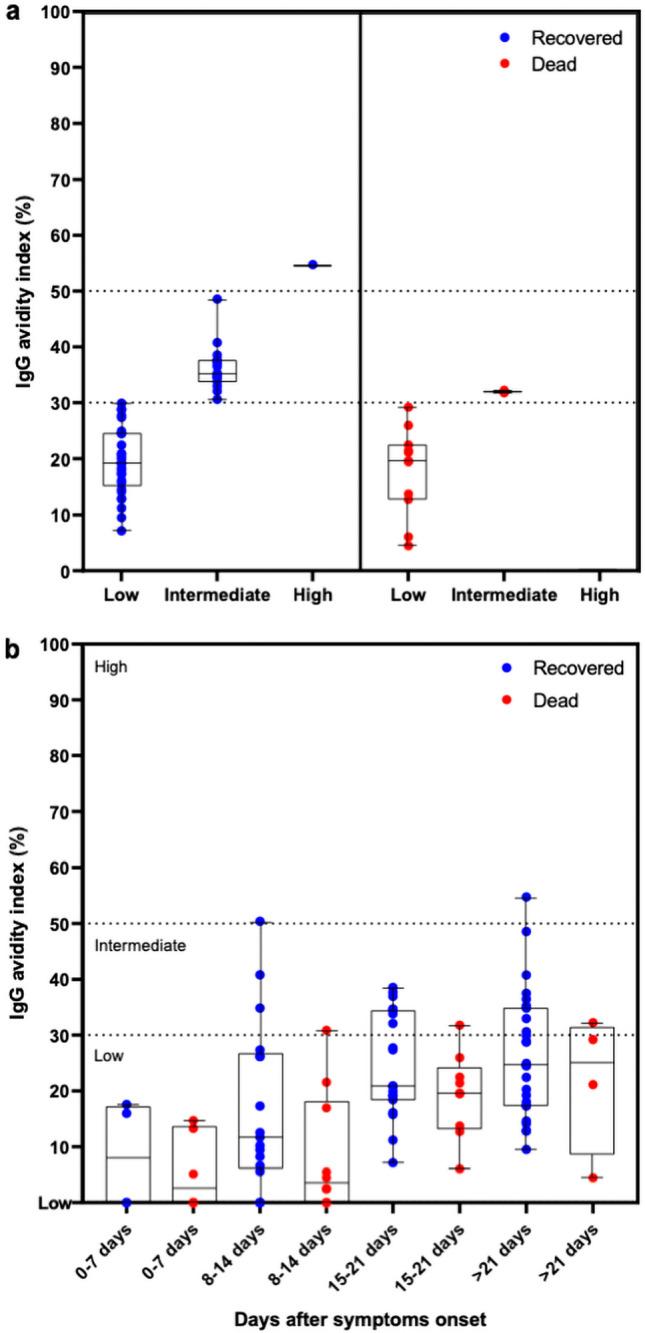
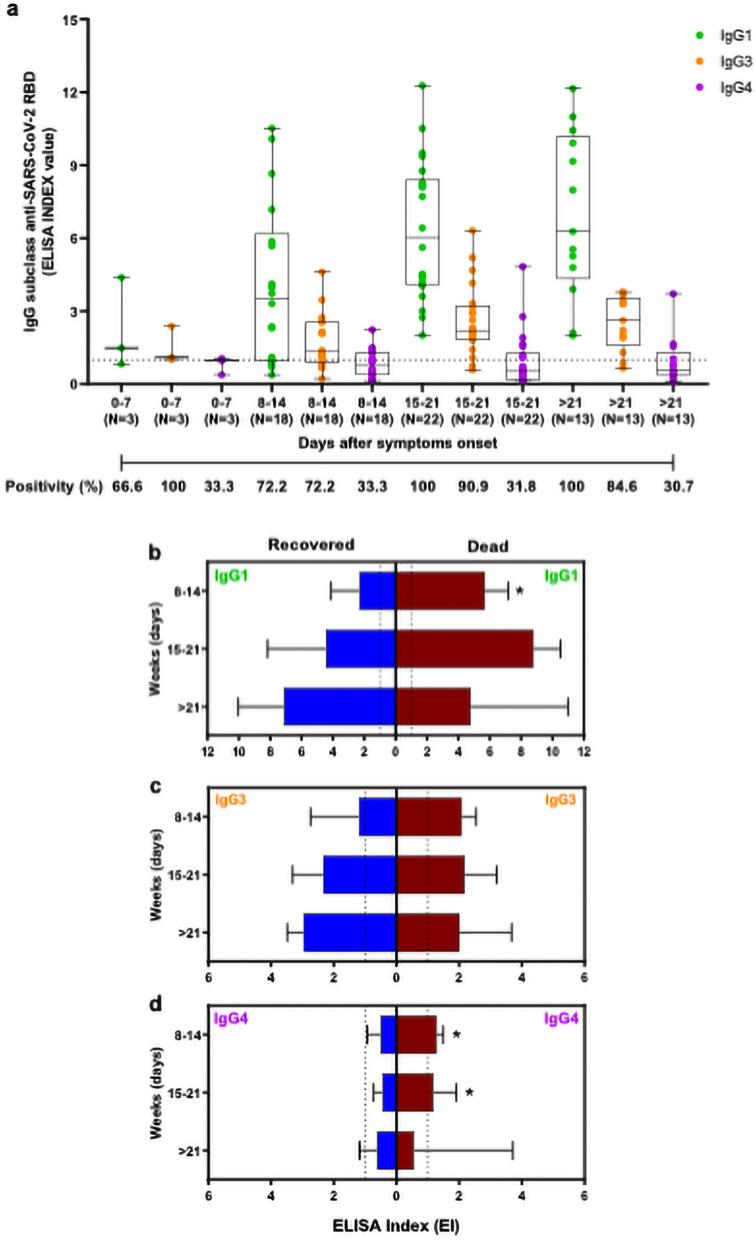
SARS-CoV-2 is considered a global emergency, resulting in an exacerbated crisis in the health public in the world. Although there are advances in vaccine development, it is still limited for many countries. On the other hand, an immunological response that mediates protective immunity or indicates that predict disease outcome in SARS-CoV-2 infection remains undefined. This work aimed to assess the antibody levels, avidity, and subclasses of IgG to RBD protein, in symptomatic patients with severe and mild forms of COVID-19 in Brazil using an adapted in-house RBD-IgG ELISA. The RBD IgG-ELISA showed 100% of specificity and 94.3% of sensibility on detecting antibodies in the sera of hospitalized patients. Patients who presented severe COVID-19 had higher anti-RBD IgG levels compared to patients with mild disease. Additionally, most patients analyzed displayed low antibody avidity, with 64.4% of the samples of patients who recovered from the disease and 84.6% of those who died in this avidity range. Our data also reveals an increase of IgG1 and IgG3 levels since the 8th day after symptoms onset, while IgG4 levels maintained less detectable during the study period. Surprisingly, patients who died during 8-14 and 15-21 days also showed higher anti-RBD IgG4 levels in comparison with the recovered (P < 0.05), suggesting that some life-threatening patients can elicit IgG4 to RBD antibody response in the first weeks of symptoms onset. Our findings constitute the effort to clarify IgG antibodies' kinetics, avidity, and subclasses against SARS-CoV-2 RBD in symptomatic patients with COVID-19 in Brazil, highlighting the importance of IgG antibody avidity in association with IgG4 detection as tool laboratory in the follow-up of hospitalized patients with more significant potential for life-threatening.
SARS-CoV-2 被认为是一种全球紧急情况,导致世界公共卫生危机加剧。尽管疫苗开发取得了进展,但对许多国家来说仍然有限。另一方面,介导保护性免疫或表明预测 SARS-CoV-2 感染疾病结果的免疫反应仍然不明确。本工作旨在使用改良的 RBD-IgG ELISA 评估巴西重症和轻症 COVID-19 患者的抗体水平、亲和力和 IgG 亚类对 RBD 蛋白的反应。RBD IgG-ELISA 在检测住院患者血清中的抗体时显示出 100%的特异性和 94.3%的敏感性。与轻症患者相比,患有严重 COVID-19 的患者具有更高的抗 RBD IgG 水平。此外,大多数分析的患者显示出低抗体亲和力,其中 64.4%的恢复期患者和 84.6%的死亡患者处于该亲和力范围内。我们的数据还表明,自症状出现后第 8 天起,IgG1 和 IgG3 水平增加,而 IgG4 水平在研究期间保持较低的可检测性。令人惊讶的是,在第 8-14 天和第 15-21 天死亡的患者与恢复期患者相比,抗 RBD IgG4 水平也更高(P<0.05),这表明一些危及生命的患者在症状出现的最初几周内就可以引发针对 RBD 的 IgG4 抗体反应。我们的研究结果构成了澄清巴西 COVID-19 症状患者中针对 SARS-CoV-2 RBD 的 IgG 抗体动力学、亲和力和亚类的努力,强调了 IgG 抗体亲和力与 IgG4 检测相结合作为对具有更大潜在生命威胁的住院患者进行随访的实验室工具的重要性。

 Zotero 插件