
以非侵入性成像和治疗干预为目的,针对人类疾病中的尿激酶型纤溶酶原激活物受体(uPAR)
Targeting the Urokinase-Type Plasminogen Activator Receptor (uPAR) in Human Diseases With a View to Non-invasive Imaging and Therapeutic Intervention.
作者信息
Leth Julie Maja, Ploug Michael
机构信息
Finsen Laboratory, Rigshospitalet, Copenhagen, Denmark.
Biotech Research and Innovation Centre (BRIC), University of Copenhagen, Copenhagen, Denmark.
出版信息
Front Cell Dev Biol. 2021 Aug 20;9:732015. doi: 10.3389/fcell.2021.732015. eCollection 2021.
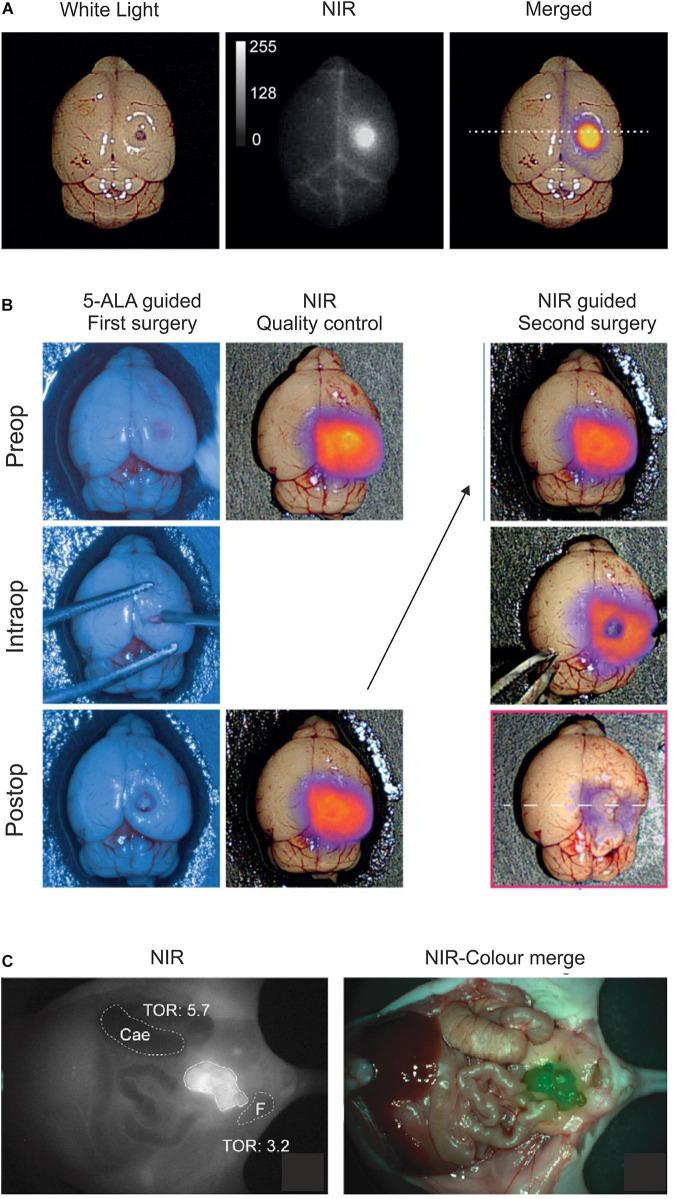
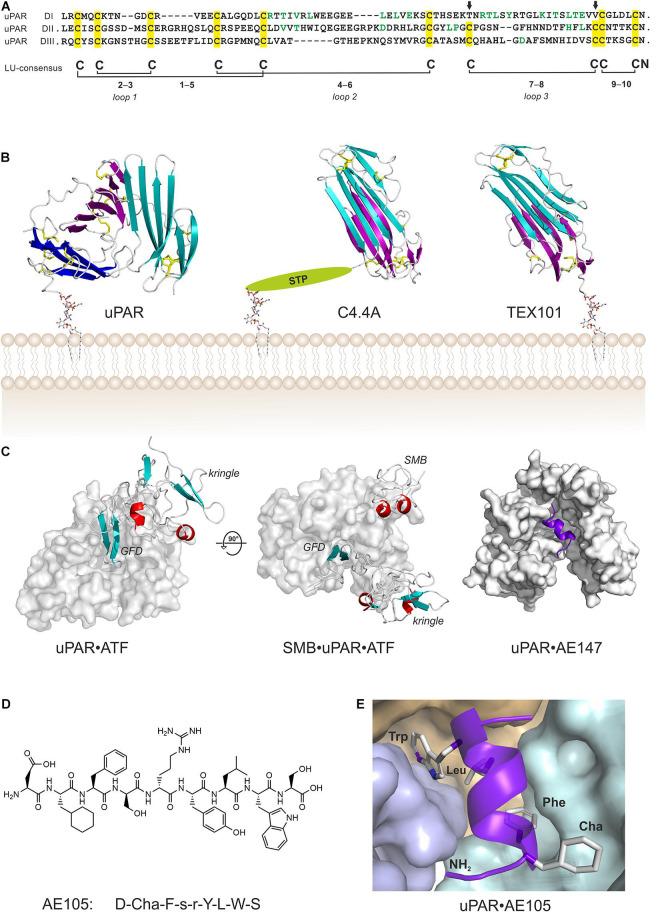
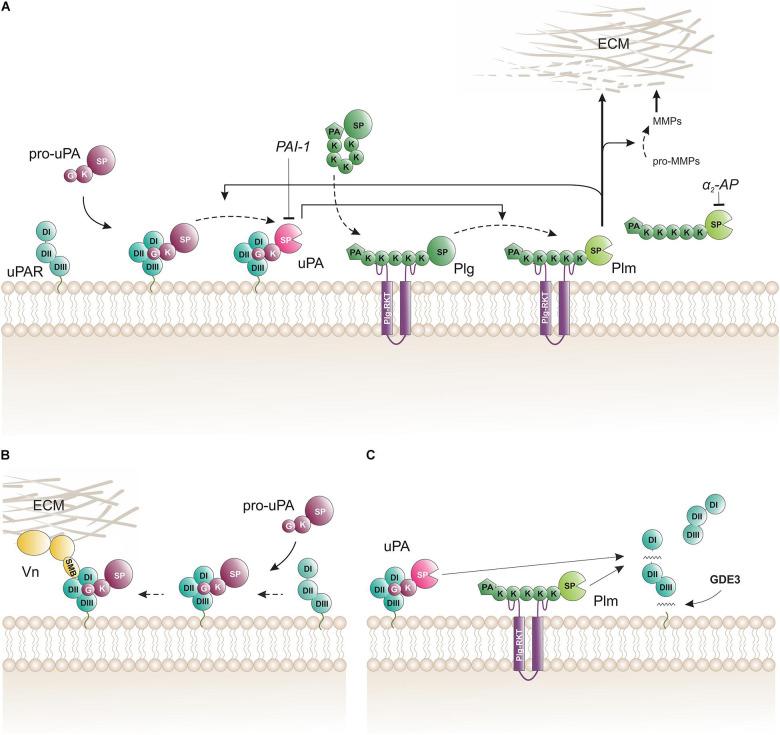
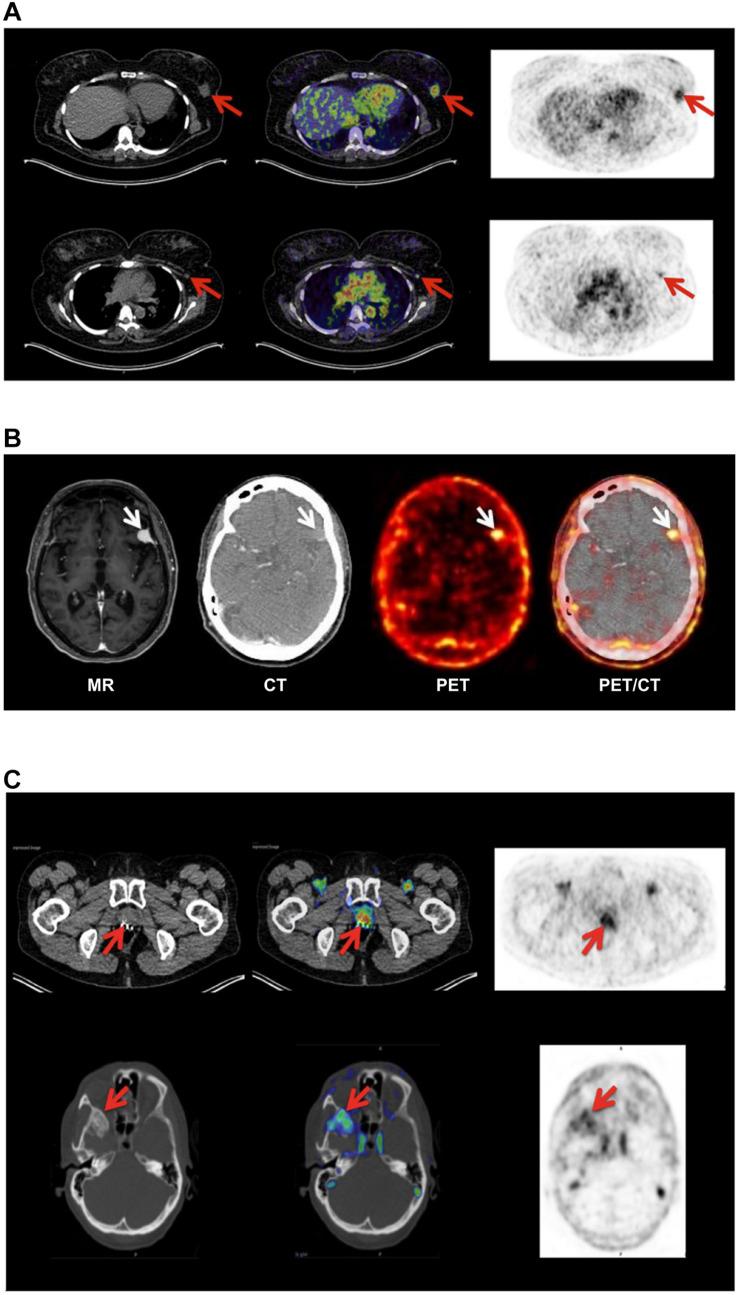
The interaction between the serine protease urokinase-type plasminogen activator (uPA) and its glycolipid-anchored receptor (uPAR) focalizes plasminogen activation to cell surfaces, thereby regulating extravascular fibrinolysis, cell adhesion, and migration. uPAR belongs to the Ly6/uPAR (LU) gene superfamily and the high-affinity binding site for uPA is assembled by a dynamic association of its three consecutive LU domains. In most human solid cancers, uPAR is expressed at the invasive areas of the tumor-stromal microenvironment. High levels of uPAR in resected tumors or shed to the plasma of cancer patients are robustly associated with poor prognosis and increased risk of relapse and metastasis. Over the years, a plethora of different strategies to inhibit uPA and uPAR function have been designed and investigated and in mouse models, but so far none have been implemented in the clinics. In recent years, uPAR-targeting with the intent of cytotoxic eradication of uPAR-expressing cells have nonetheless gained increasing momentum. Another avenue that is currently being explored is non-invasive imaging with specific uPAR-targeted reporter-molecules containing positron emitting radionuclides or near-infrared (NIR) florescence probes with the overarching aim of being able to: (i) localize disease dissemination using positron emission tomography (PET) and (ii) assist fluorescence guided surgery using optical imaging. In this review, we will discuss these advancements with special emphasis on applications using a small 9-mer peptide antagonist that targets uPAR with high affinity.
丝氨酸蛋白酶尿激酶型纤溶酶原激活剂(uPA)与其糖脂锚定受体(uPAR)之间的相互作用将纤溶酶原激活聚焦于细胞表面,从而调节血管外纤维蛋白溶解、细胞黏附和迁移。uPAR属于Ly6/uPAR(LU)基因超家族,uPA的高亲和力结合位点由其三个连续的LU结构域动态组装而成。在大多数人类实体癌中,uPAR在肿瘤-基质微环境的侵袭区域表达。切除肿瘤中或癌症患者血浆中高水平的uPAR与预后不良以及复发和转移风险增加密切相关。多年来,已经设计并在小鼠模型中研究了大量不同的抑制uPA和uPAR功能的策略,但到目前为止,尚无一种在临床上得到应用。近年来,旨在通过细胞毒性消除表达uPAR的细胞的uPAR靶向治疗却日益受到关注。目前正在探索的另一条途径是使用含有正电子发射放射性核素或近红外(NIR)荧光探针的特定uPAR靶向报告分子进行无创成像,其总体目标是:(i)使用正电子发射断层扫描(PET)定位疾病扩散,以及(ii)使用光学成像辅助荧光引导手术。在本综述中,我们将讨论这些进展,特别强调使用一种高亲和力靶向uPAR的9聚体小肽拮抗剂的应用。
 Zotero 插件