
荜茇酰胺,一种有效的抗癌植物疗法,通过ROS/Akt途径在体外和体内诱导人甲状腺癌细胞的细胞周期停滞和凋亡。
Piperlongumine, a Potent Anticancer Phytotherapeutic, Induces Cell Cycle Arrest and Apoptosis In Vitro and In Vivo through the ROS/Akt Pathway in Human Thyroid Cancer Cells.
作者信息
Kung Fang-Ping, Lim Yun-Ping, Chao Wen-Ying, Zhang Yi-Sheng, Yu Hui-I, Tai Tsai-Sung, Lu Chieh-Hsiang, Chen Shu-Hsin, Li Yi-Zhen, Zhao Pei-Wen, Yen Yu-Pei, Lee Ying-Ray
机构信息
Division of Endocrinology and Metabolism, Department of Internal Medicine, Ditmanson Medical Foundation Chia-Yi Christian Hospital, Chiayi 60002, Taiwan.
Department of Pharmacy, College of Pharmacy, China Medical University, Taichung 406040, Taiwan.
出版信息
Cancers (Basel). 2021 Aug 24;13(17):4266. doi: 10.3390/cancers13174266.
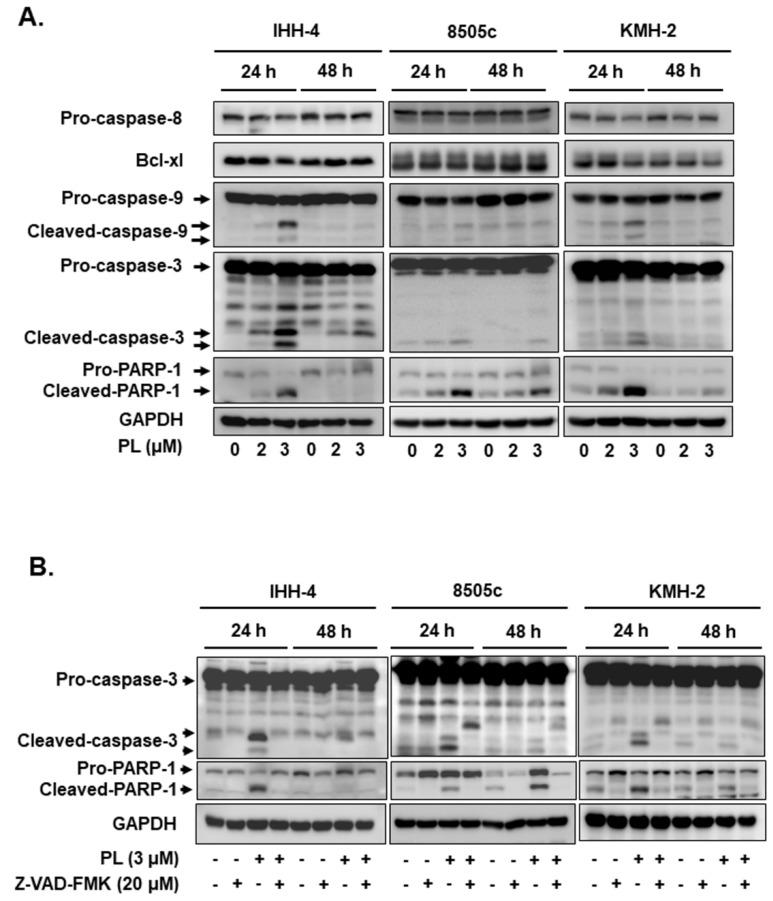
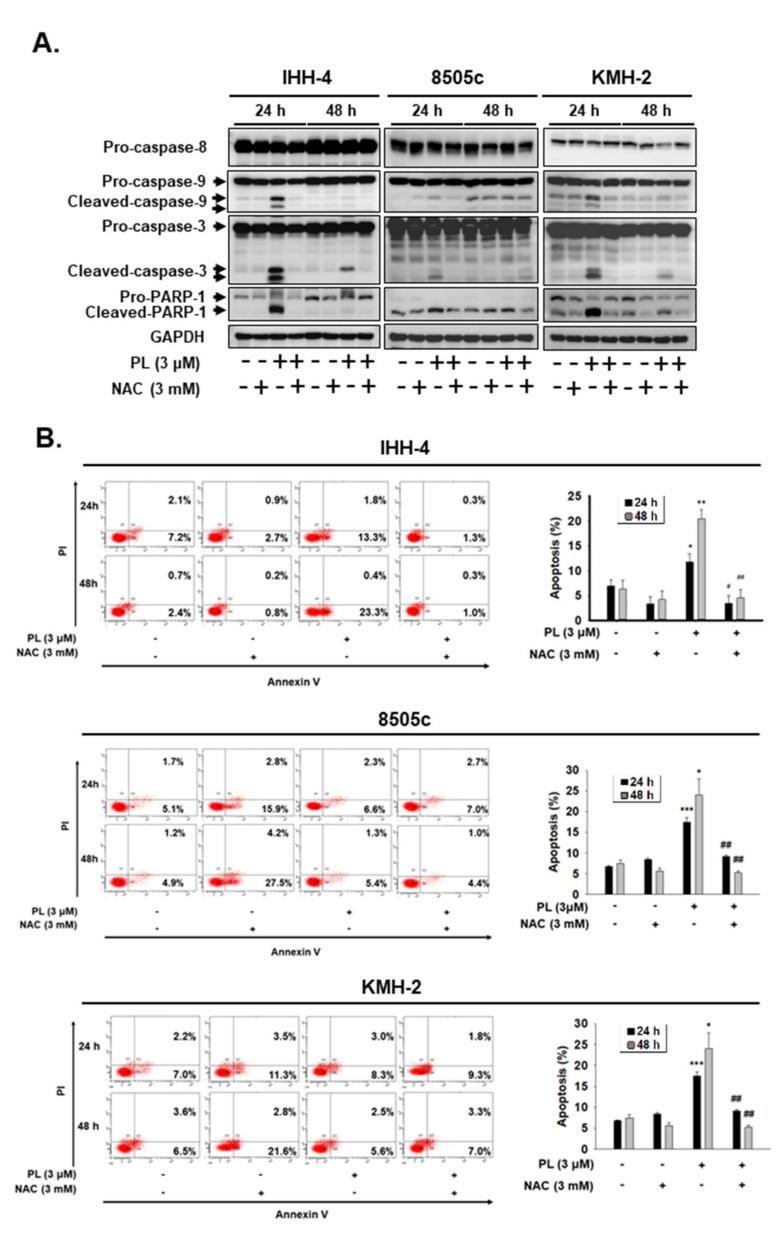
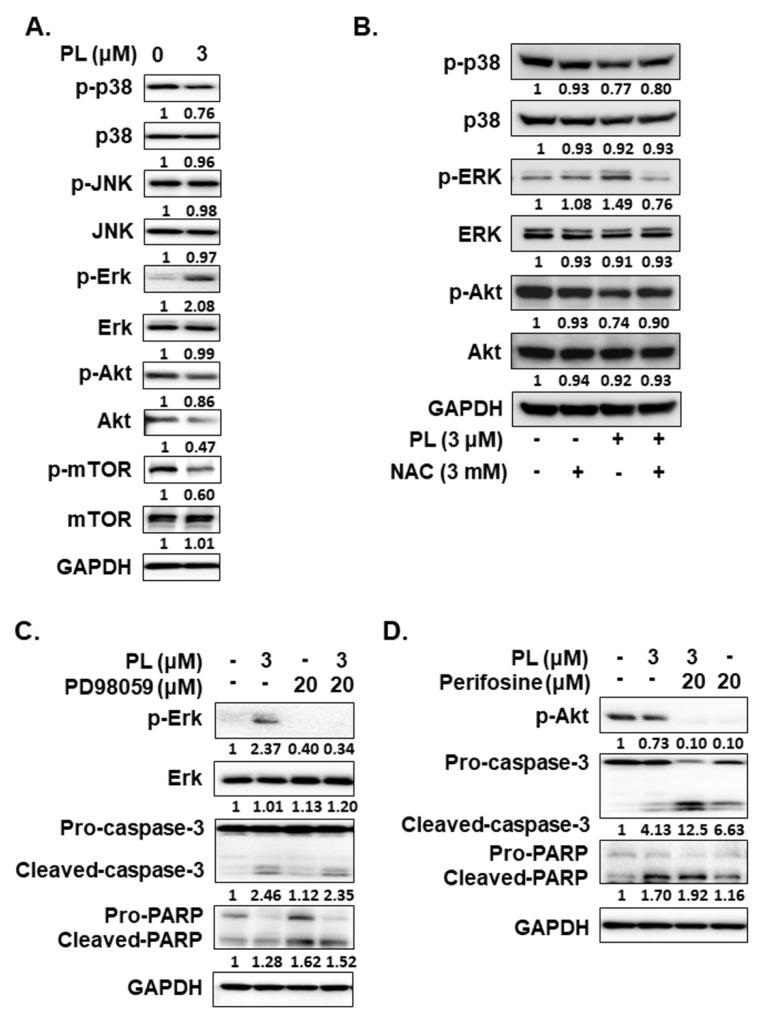
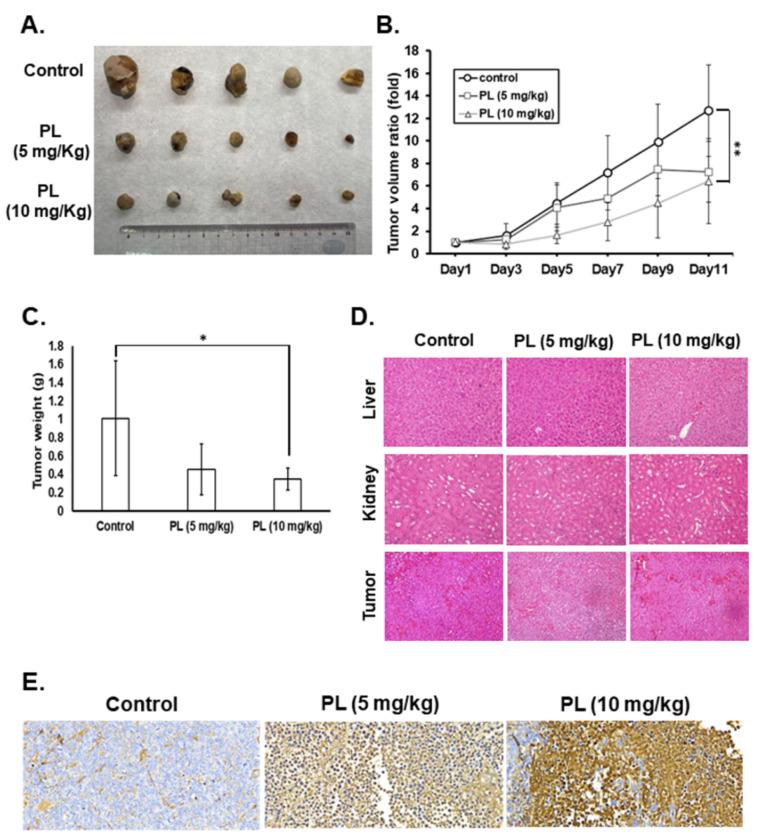
Thyroid cancer (TC) is the most common endocrine malignancy, and its global incidence has steadily increased over the past 15 years. TC is broadly divided into well-differentiated, poorly differentiated, and undifferentiated types, depending on the histological and clinical parameters. Thus far, there are no effective treatments for undifferentiated thyroid cancers or advanced and recurrent cancer. Therefore, the development of an effective therapeutic is urgently needed for such patients. Piperlongumine (PL) is a naturally occurring small molecule derived from long pepper; it is selectively toxic to cancer cells by generating reactive oxygen species (ROS). In this study, we demonstrate the potential anticancer activity of PL in four TC cell lines. For this purpose, we cultured TC cell lines and analyzed the following parameters: Cell viability, colony formation, cell cycle, apoptosis, and cellular ROS induction. PL modulated the cell cycle, induced apoptosis, and suppressed tumorigenesis in TC cell lines in a dose- and time-dependent manner through ROS induction. Meanwhile, an intrinsic caspase-dependent apoptosis pathway was observed in the TC cells under PL treatment. The activation of Erk and the suppression of the Akt/mTOR pathways through ROS induction were seen in cells treated with PL. PL-mediated apoptosis in TC cells was through the ROS-Akt pathway. Finally, the anticancer effect and safety of PL were also demonstrated in vivo. Our findings indicate that PL exhibits antitumor activity and has the potential for use as a chemotherapeutic agent against TC. This is the first study to show the sensitivity of TC cell lines to PL.
甲状腺癌(TC)是最常见的内分泌恶性肿瘤,在过去15年中其全球发病率稳步上升。根据组织学和临床参数,TC大致分为高分化、低分化和未分化类型。迄今为止,对于未分化甲状腺癌或晚期及复发性癌症尚无有效的治疗方法。因此,迫切需要为这类患者开发有效的治疗方法。胡椒碱(PL)是一种从长胡椒中提取的天然小分子;它通过产生活性氧(ROS)对癌细胞具有选择性毒性。在本研究中,我们证明了PL在四种TC细胞系中具有潜在的抗癌活性。为此,我们培养了TC细胞系并分析了以下参数:细胞活力、集落形成、细胞周期、凋亡和细胞ROS诱导。PL通过诱导ROS以剂量和时间依赖性方式调节TC细胞系的细胞周期、诱导凋亡并抑制肿瘤发生。同时,在PL处理的TC细胞中观察到了一种内在的半胱天冬酶依赖性凋亡途径。在用PL处理的细胞中,通过ROS诱导观察到Erk的激活和Akt/mTOR途径的抑制。PL介导的TC细胞凋亡是通过ROS-Akt途径。最后,PL的抗癌作用和安全性在体内也得到了证实。我们的研究结果表明,PL具有抗肿瘤活性,有潜力用作抗TC的化疗药物。这是第一项显示TC细胞系对PL敏感的研究。




 Zotero 插件