
分析前和分析方法对游离DNA诊断的影响。
Impact of Preanalytical and Analytical Methods on Cell-Free DNA Diagnostics.
作者信息
Krasic Jure, Abramovic Irena, Vrtaric Alen, Nikolac Gabaj Nora, Kralik-Oguic Sasa, Katusic Bojanac Ana, Jezek Davor, Sincic Nino
机构信息
Department of Medical Biology, School of Medicine, University of Zagreb, Zagreb, Croatia.
Scientific Group for Research on Epigenetic Biomarkers, School of Medicine, University of Zagreb, Zagreb, Croatia.
出版信息
Front Cell Dev Biol. 2021 Sep 6;9:686149. doi: 10.3389/fcell.2021.686149. eCollection 2021.
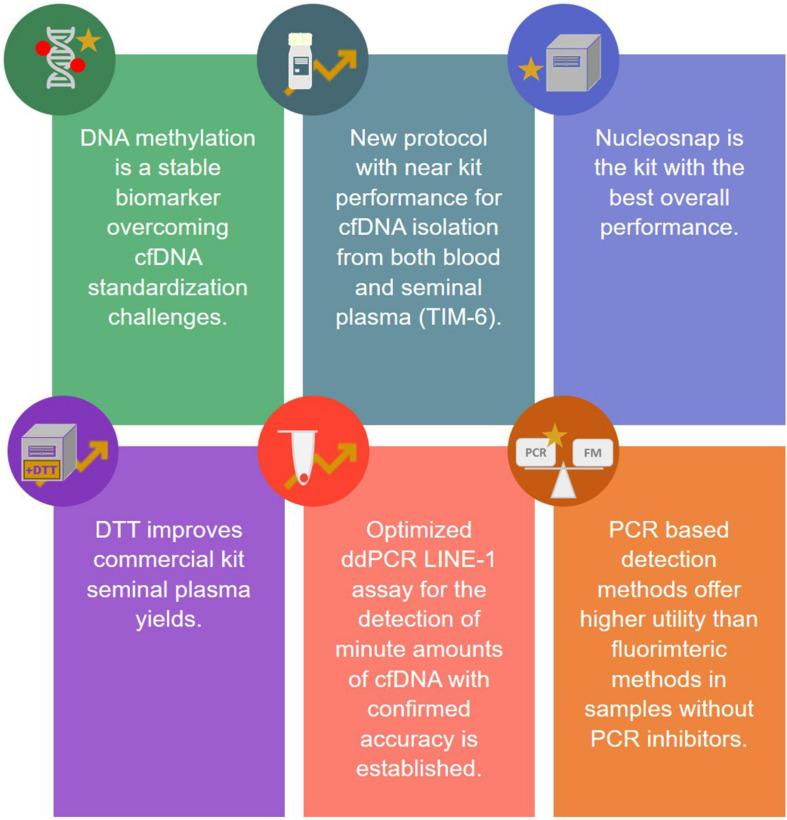
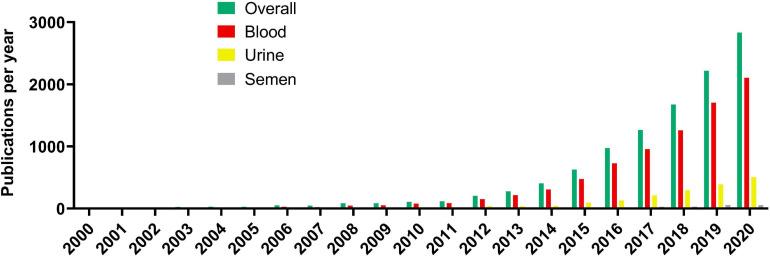
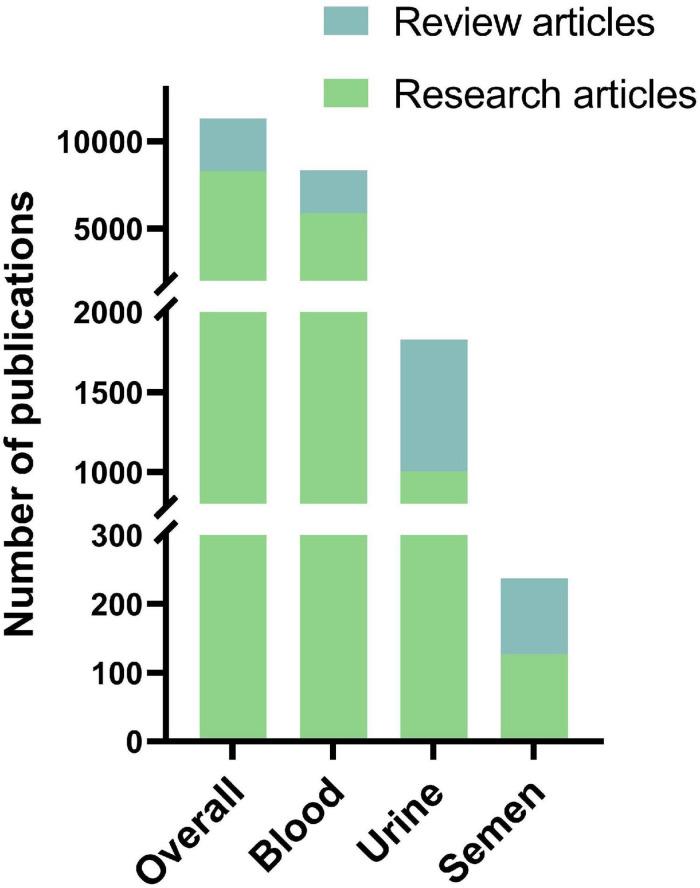
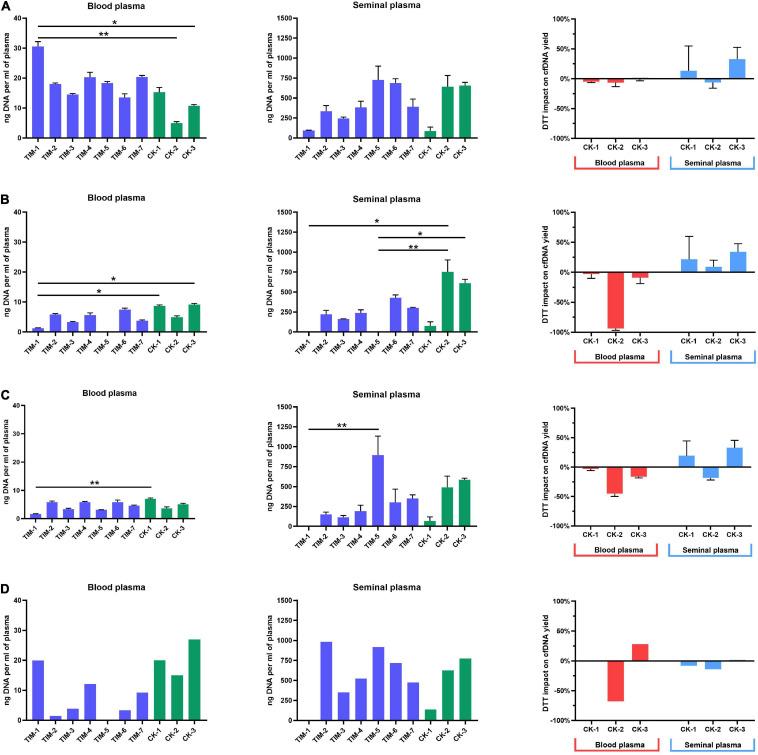
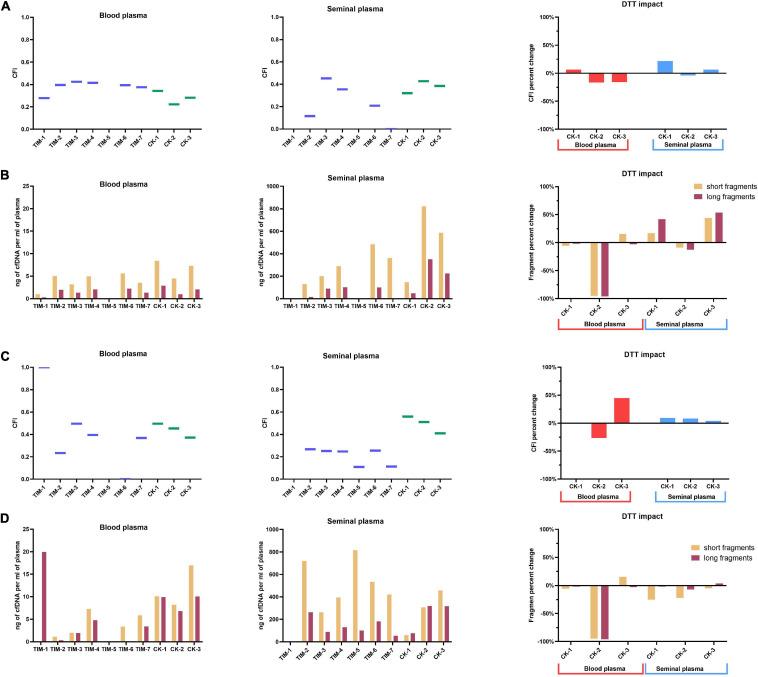
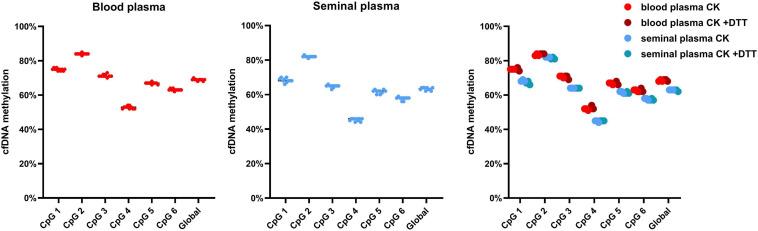
While tissue biopsy has for the longest time been the gold-standard in biomedicine, precision/personalized medicine is making the shift toward liquid biopsies. Cell-free DNA (cfDNA) based genetic and epigenetic biomarkers reflect the molecular status of its tissue-of-origin allowing for early and non-invasive diagnostics of different pathologies. However, selection of preanalytical procedures (including cfDNA isolation) as well as analytical methods are known to impact the downstream results. Calls for greater standardization are made continuously, yet comprehensive assessments of the impact on diagnostic parameters are lacking. This study aims to evaluate the preanalytic and analytic factors that influence cfDNA diagnostic parameters in blood and semen. Text mining analysis has been performed to assess cfDNA research trends, and identify studies on isolation methods, preanalytical and analytical impact. Seminal and blood plasma were tested as liquid biopsy sources. Traditional methods of cfDNA isolation, commercial kits (CKs), and an in-house developed protocol were tested, as well as the impact of dithiothreitol (DTT) on cfDNA isolation performance. Fluorimetry, qPCR, digital droplet PCR (ddPCR), and bioanalyzer were compared as cfDNA quantification methods. Fragment analysis was performed by qPCR and bioanalyzer while the downstream application (cfDNA methylation) was analyzed by pyrosequencing. In contrast to blood, semen as a liquid biopsy source has only recently begun to be reported as a liquid biopsy source, with almost half of all publications on it being review articles. Experimental data revealed that cfDNA isolation protocols give a wide range of cfDNA yields, both from blood and seminal plasma. The addition of DTT to CKs has improved yields in seminal plasma and had a neutral/negative impact in blood plasma. Capillary electrophoresis and fluorometry reported much higher yields than PCR methods. While cfDNA yield and integrity were highly impacted, cfDNA methylation was not affected by isolation methodology or DTT. In conclusion, NucleoSnap was recognized as the kit with the best overall performance. DTT improved CK yields in seminal plasma. The in-house developed protocol has shown near-kit isolation performance. ddPCR LINE-1 assay for absolute detection of minute amounts of cfDNA was established and allowed for quantification of samples inhibited in qPCR. cfDNA methylation was recognized as a stable biomarker unimpacted by cfDNA isolation method. Finally, semen was found to be an abundant source of cfDNA offering potential research opportunities and benefits for cfDNA based biomarkers development related to male reproductive health.
虽然组织活检长期以来一直是生物医学的金标准,但精准/个性化医疗正在向液体活检转变。基于游离DNA(cfDNA)的遗传和表观遗传生物标志物反映了其起源组织的分子状态,可实现对不同病理状况的早期非侵入性诊断。然而,已知分析前程序(包括cfDNA分离)以及分析方法会影响下游结果。人们不断呼吁实现更大程度的标准化,但缺乏对诊断参数影响的全面评估。本研究旨在评估影响血液和精液中cfDNA诊断参数的分析前和分析因素。已进行文本挖掘分析以评估cfDNA研究趋势,并确定关于分离方法、分析前和分析影响的研究。精液和血浆作为液体活检来源进行了测试。测试了传统的cfDNA分离方法、商业试剂盒(CKs)和自行开发的方案,以及二硫苏糖醇(DTT)对cfDNA分离性能的影响。比较了荧光法、定量聚合酶链反应(qPCR)、数字液滴聚合酶链反应(ddPCR)和生物分析仪作为cfDNA定量方法。通过qPCR和生物分析仪进行片段分析,同时通过焦磷酸测序分析下游应用(cfDNA甲基化)。与血液不同,精液作为液体活检来源直到最近才开始被报道,关于它的所有出版物中几乎一半是综述文章。实验数据表明,cfDNA分离方案从血液和精液中获得的cfDNA产量范围很广。向CKs中添加DTT提高了精液中的产量,而在血浆中具有中性/负面影响。毛细管电泳和荧光法报告的产量比PCR方法高得多。虽然cfDNA产量和完整性受到高度影响,但cfDNA甲基化不受分离方法或DTT的影响。总之,NucleoSnap被认为是整体性能最佳的试剂盒。DTT提高了精液中CK的产量。自行开发的方案显示出接近试剂盒的分离性能。建立了用于绝对检测微量cfDNA的ddPCR LINE-1测定法,并能够对qPCR中受抑制的样品进行定量。cfDNA甲基化被认为是一种稳定的生物标志物,不受cfDNA分离方法的影响。最后,发现精液是cfDNA的丰富来源,为基于cfDNA的与男性生殖健康相关的生物标志物开发提供了潜在的研究机会和益处。

 Zotero 插件