
《再利用 ACE2 抑制剂:COVID-19 的 SARS-CoV-2 进入抑制剂》。
The Repurposed ACE2 Inhibitors: SARS-CoV-2 Entry Blockers of Covid-19.
机构信息
Division of Computer Aided Drug Design, Department of Pharmaceutical Chemistry, R.C. Patel Institute of Pharmaceutical Education and Research, Shirpur (Dhule), Maharashtra, 425405, India.
出版信息
Top Curr Chem (Cham). 2021 Oct 8;379(6):40. doi: 10.1007/s41061-021-00353-7.
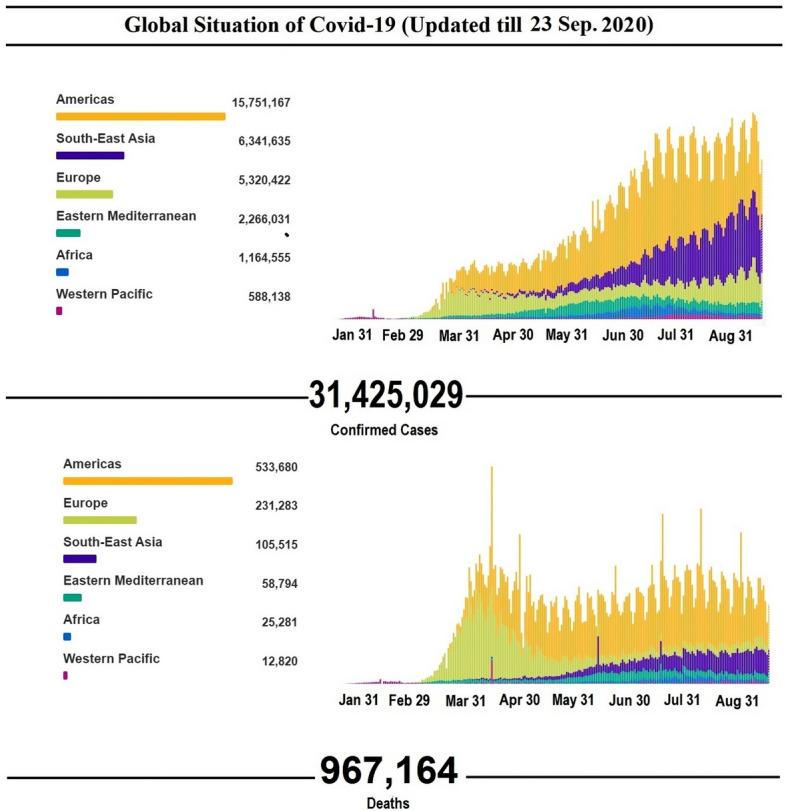
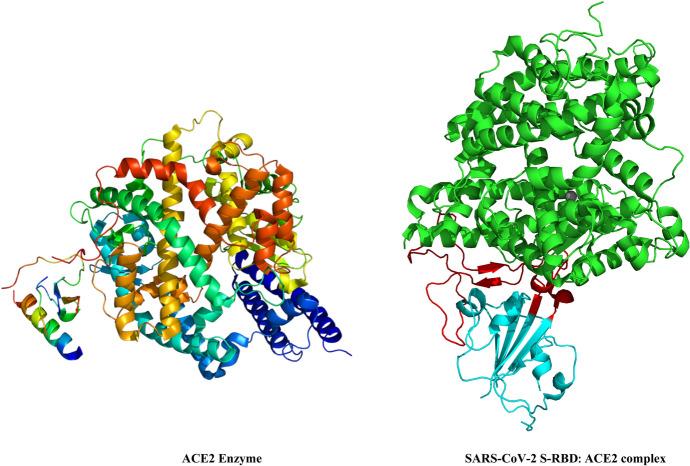
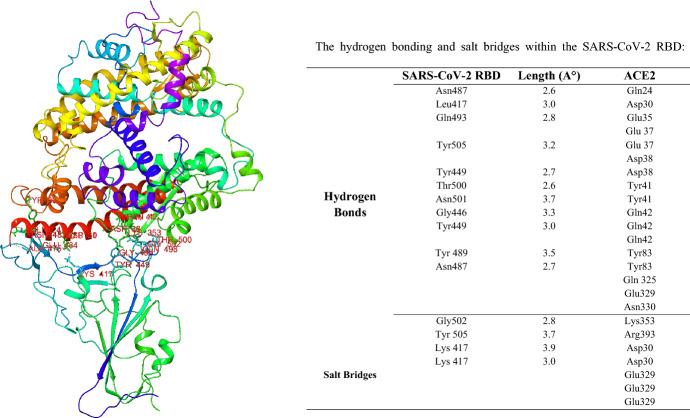
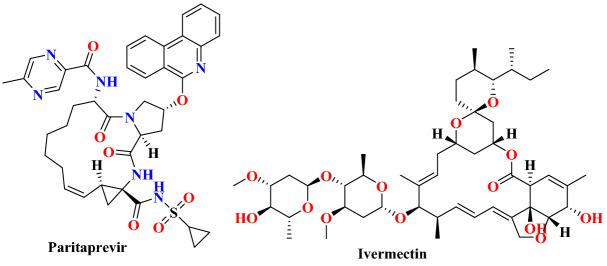
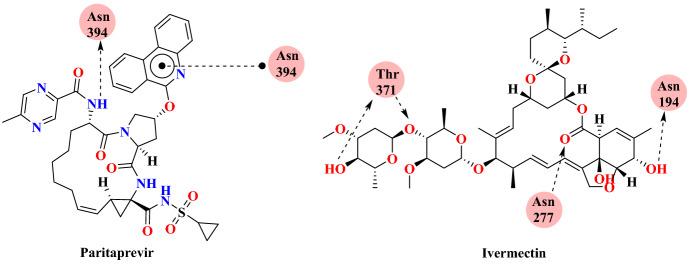
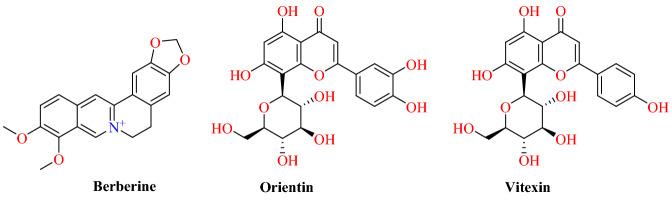
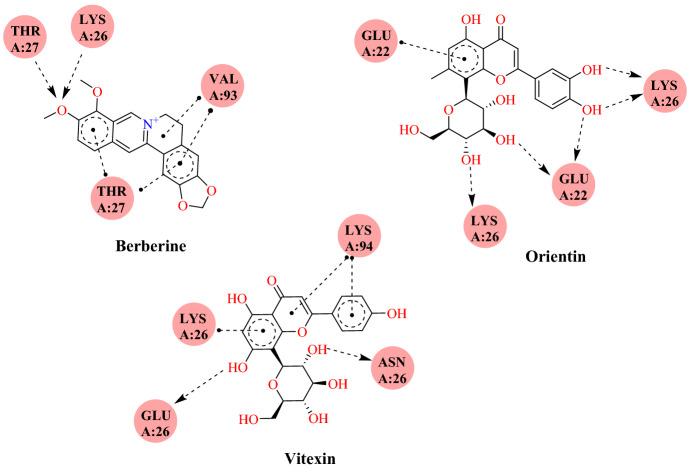
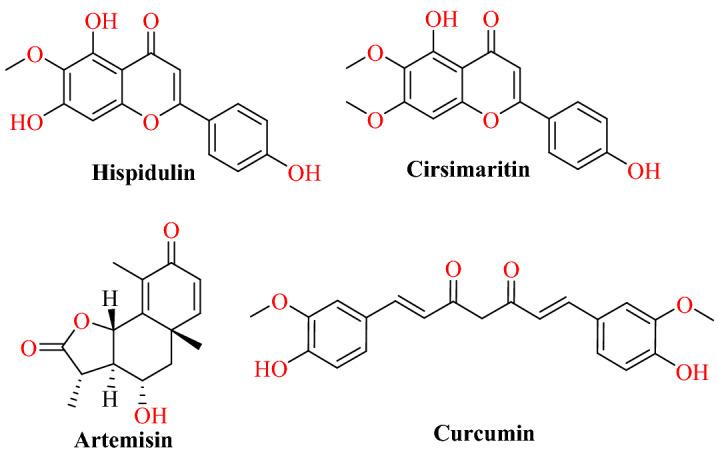
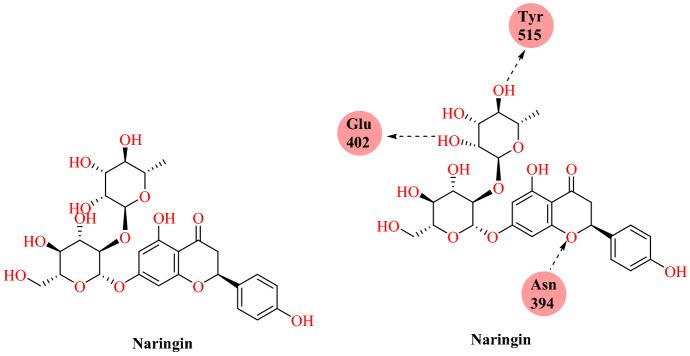
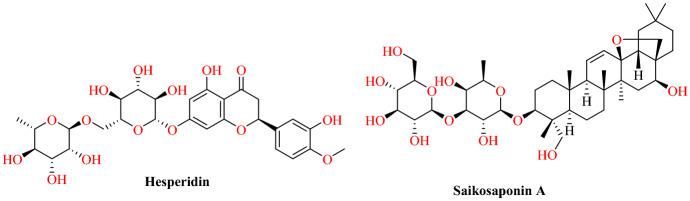
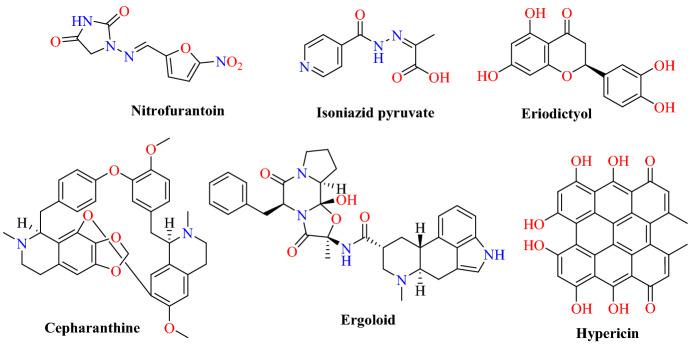
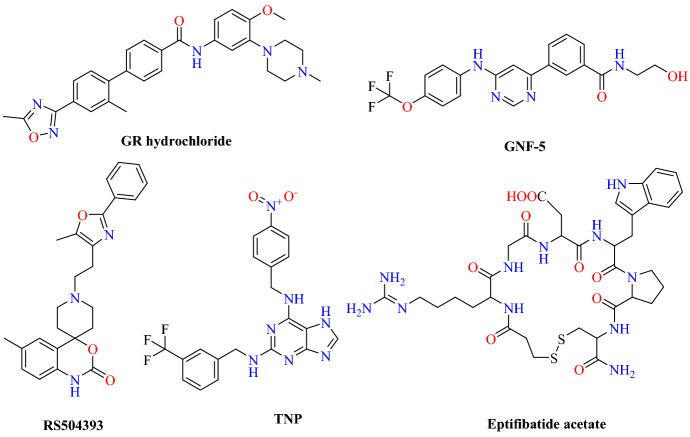
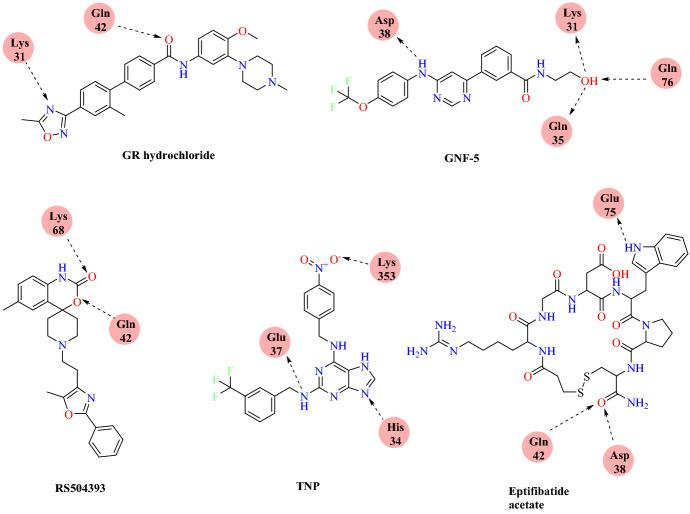
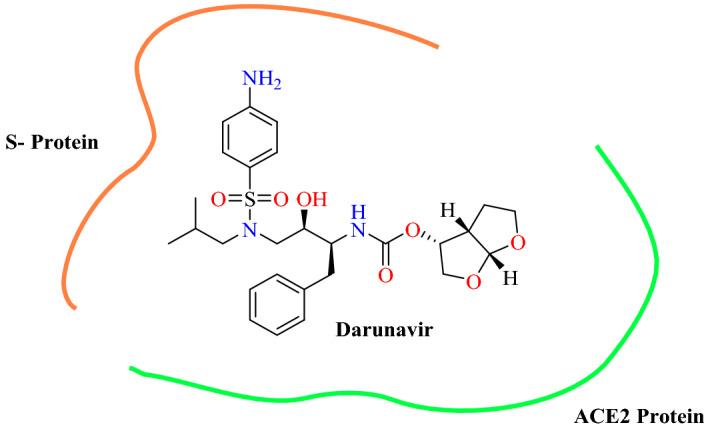
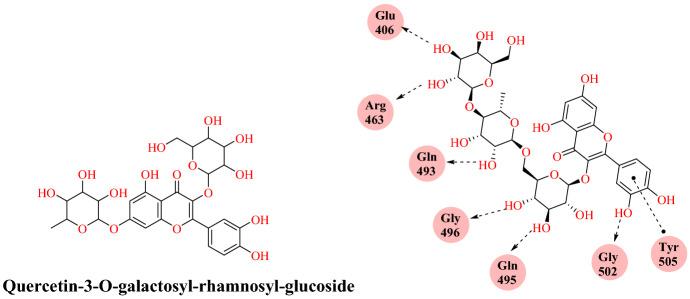
The highly infectious disease COVID-19 is induced by SARS-coronavirus 2 (SARS-CoV-2), which has spread rapidly around the globe and was announced as a pandemic by the World Health Organization (WHO) in March 2020. SARS-CoV-2 binds to the host cell's angiotensin converting enzyme 2 (ACE2) receptor through the viral surface spike glycoprotein (S-protein). ACE2 is expressed in the oral mucosa and can therefore constitute an essential route for entry of SARS-CoV-2 into hosts through the tongue and lung epithelial cells. At present, no effective treatments for SARS-CoV-2 are yet in place. Blocking entry of the virus by inhibiting ACE2 is more advantageous than inhibiting the subsequent stages of the SARS-CoV-2 life cycle. Based on current published evidence, we have summarized the different in silico based studies and repurposing of anti-viral drugs to target ACE2, SARS-CoV-2 S-Protein: ACE2 and SARS-CoV-2 S-RBD: ACE2. This review will be useful to researchers looking to effectively recognize and deal with SARS-CoV-2, and in the development of repurposed ACE2 inhibitors against COVID-19.
高度传染性疾病 COVID-19 是由严重急性呼吸系统综合征冠状病毒 2(SARS-CoV-2)引起的,该病毒在全球迅速传播,并于 2020 年 3 月被世界卫生组织(WHO)宣布为大流行。SARS-CoV-2 通过病毒表面刺突糖蛋白(S-蛋白)与宿主细胞的血管紧张素转换酶 2(ACE2)受体结合。ACE2 在口腔黏膜中表达,因此可以构成 SARS-CoV-2 通过舌头和肺上皮细胞进入宿主的重要途径。目前,尚无针对 SARS-CoV-2 的有效治疗方法。通过抑制 ACE2 来阻止病毒进入比抑制 SARS-CoV-2 生命周期的后续阶段更具优势。基于目前已发表的证据,我们总结了不同基于计算机的研究和抗病毒药物的重新利用,以针对 ACE2、SARS-CoV-2 S-蛋白:ACE2 和 SARS-CoV-2 S-RBD:ACE2。本综述将有助于研究人员有效识别和应对 SARS-CoV-2,并开发针对 COVID-19 的重新利用 ACE2 抑制剂。












 Zotero 插件