
认知方面的民族种族差异与多种社会经济地位压力途径有关。
Ethnoracial disparities in cognition are associated with multiple socioeconomic status-stress pathways.
机构信息
Department of Psychology, The University of Alabama, 505 Hackberry Lane, BOX 870348, Tuscaloosa, AL, 35487, USA.
Alabama Research Institute on Aging, Tuscaloosa, USA.
出版信息
Cogn Res Princ Implic. 2021 Oct 9;6(1):64. doi: 10.1186/s41235-021-00329-7.
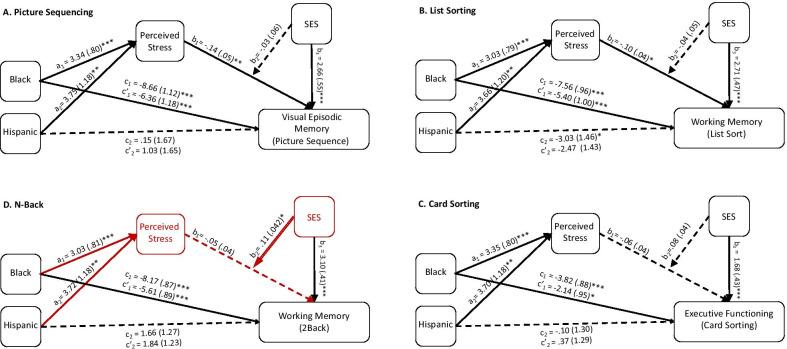
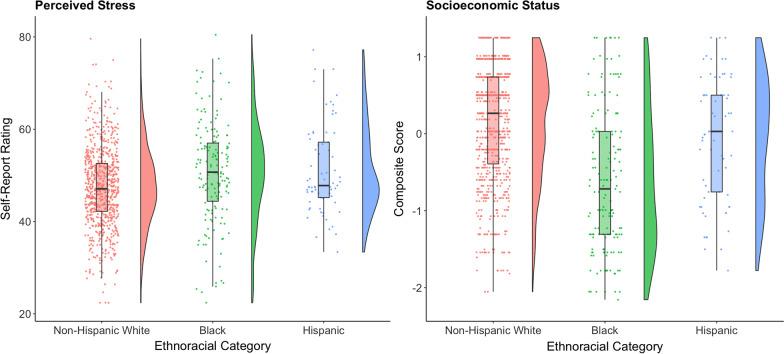
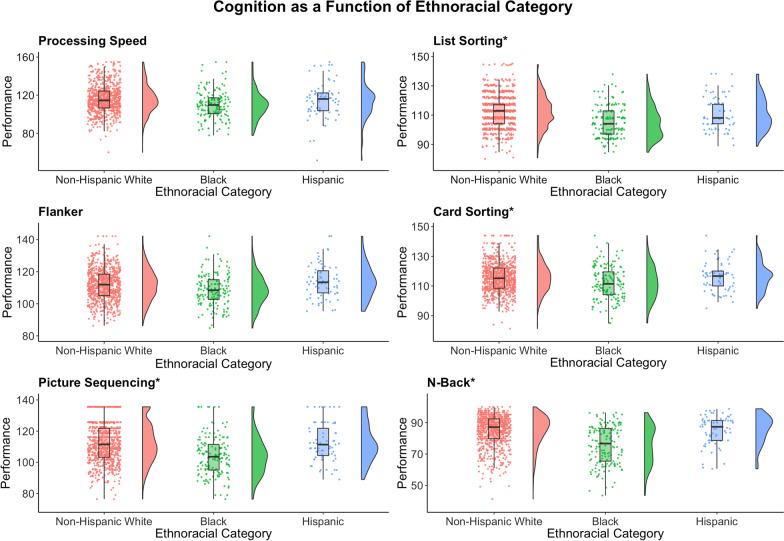
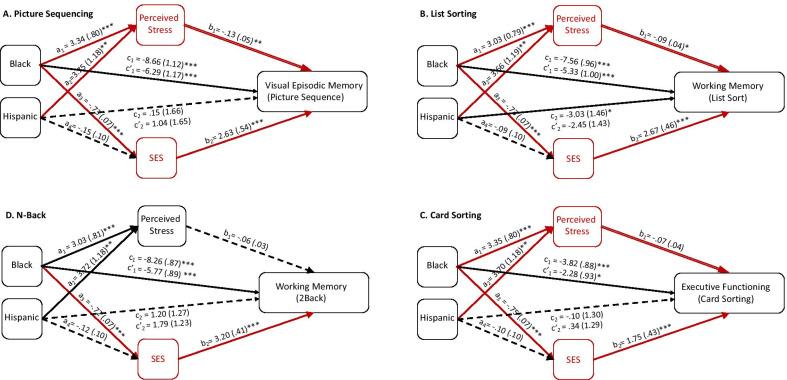
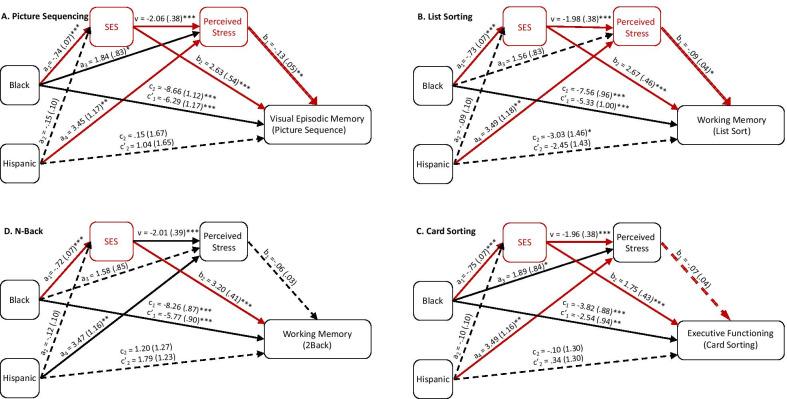
Systemic racism can have broad impacts on health in ethnoracial minorities. One way is by suppressing socioeconomic status (SES) levels through barriers to achieve higher income, wealth, and educational attainment. Additionally, the weathering hypothesis proposes that the various stressful adversities faced by ethnoracial minorities lead to greater wear and tear on the body, known as allostatic load. In the present study, we extend these ideas to cognitive health in a tri-ethnic sample of young adults-when cognition and brain health is arguably at their peak. Specifically, we tested competing mediation models that might shed light on how two key factors caused by systemic racism-SES and perceived stress-intersect to explain ethnoracial disparities in cognition. We found evidence for partial mediation via a pathway from SES to stress on episodic memory, working memory capacity, and executive function in Black Americans relative to non-Hispanic White Americans. Additionally, we found that stress partially mediated the ethnoracial disparities in working memory updating for lower SES Black and Hispanic Americans relative to non-Hispanic White Americans, showing that higher SES can sometimes reduce the negative effects stress has on these disparities in some cognitive domains. Overall, these findings suggest that multiple pathways exist in which lower SES creates a stressful environment to impact ethnoracial disparities cognition. These pathways differ depending on the specific ethnoracial category and cognitive domain. The present results may offer insight into strategies to help mitigate the late-life risk for neurocognitive disorders in ethnoracial minorities.
系统性种族主义可能对少数民族的健康产生广泛影响。一种方式是通过阻碍获得更高收入、财富和教育程度来抑制社会经济地位(SES)水平。此外,“生物老化假说”提出,少数民族面临的各种压力逆境会导致身体更大的磨损,即“全身适应综合征”。在本研究中,我们将这些想法扩展到一个由三个种族组成的年轻成年人的认知健康中——当认知和大脑健康可以说是处于巅峰时。具体来说,我们测试了相互竞争的中介模型,这些模型可能有助于解释系统性种族主义导致的两个关键因素——SES 和感知压力——如何相互作用,从而解释认知方面的种族差异。我们发现,在黑人美国人和非西班牙裔白人美国人中,SES 到压力的路径对情景记忆、工作记忆容量和执行功能存在部分中介,这表明 SES 较高有时可以减轻压力对这些认知领域的种族差异的负面影响。此外,我们发现压力对 SES 较低的黑人和西班牙裔美国人的工作记忆更新中的种族差异存在部分中介,这表明 SES 较高有时可以减轻压力对这些认知领域的种族差异的负面影响。总的来说,这些发现表明,SES 较低会产生压力环境,从而影响认知方面的种族差异,这其中存在多种途径。这些途径取决于特定的种族类别和认知领域。本研究结果可能为帮助减轻少数民族认知障碍的晚年风险提供了一些策略上的启示。
 Zotero 插件