
先天与后天:肿瘤微环境中细胞毒性 T 淋巴细胞的两种相反行为。
Nature vs. Nurture: The Two Opposing Behaviors of Cytotoxic T Lymphocytes in the Tumor Microenvironment.
机构信息
Department of Life Sciences, University of Siena, 53100 Siena, Italy.
出版信息
Int J Mol Sci. 2021 Oct 18;22(20):11221. doi: 10.3390/ijms222011221.
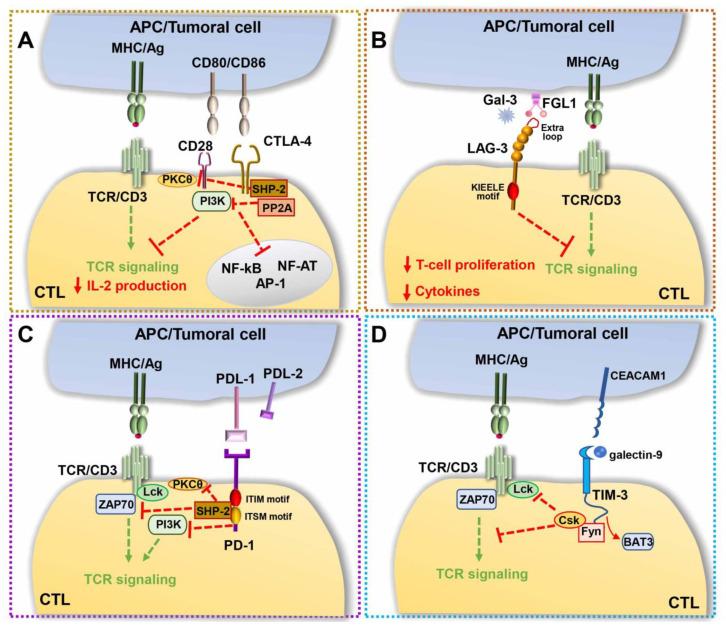
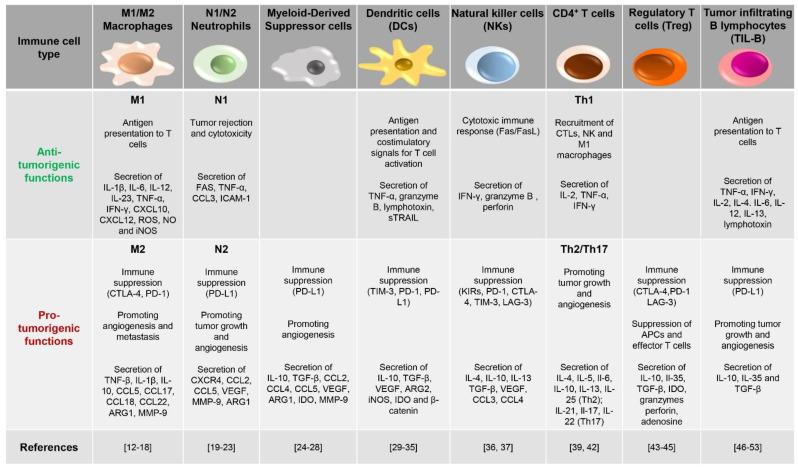
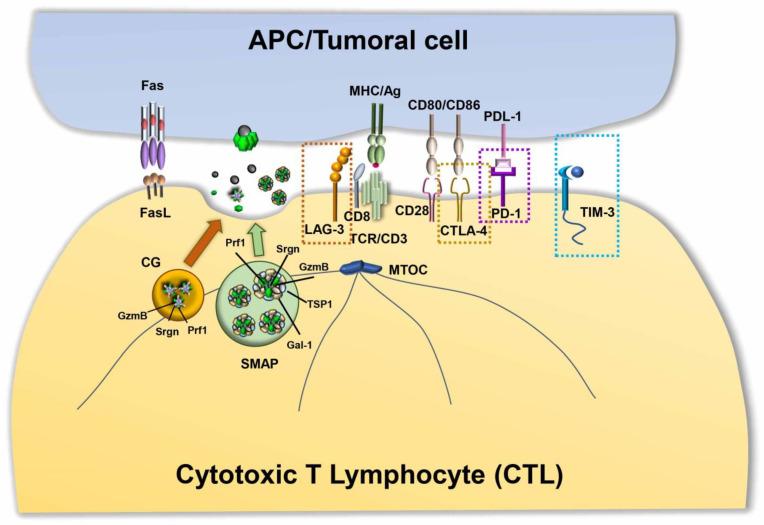
Similar to Janus, the two-faced god of Roman mythology, the tumor microenvironment operates two opposing and often conflicting activities, on the one hand fighting against tumor cells, while on the other hand, favoring their proliferation, survival and migration to other sites to establish metastases. In the tumor microenvironment, cytotoxic T cells-the specialized tumor-cell killers-also show this dual nature, operating their tumor-cell directed killing activities until they become exhausted and dysfunctional, a process promoted by cancer cells themselves. Here, we discuss the opposing activities of immune cells populating the tumor microenvironment in both cancer progression and anti-cancer responses, with a focus on cytotoxic T cells and on the molecular mechanisms responsible for the efficient suppression of their killing activities as a paradigm of the power of cancer cells to shape the microenvironment for their own survival and expansion.
类似于罗马神话中的两面神杰纳斯(Janus),肿瘤微环境同时进行着两种对立且往往相互冲突的活动,一方面对抗肿瘤细胞,另一方面又促进其增殖、存活和迁移到其他部位形成转移。在肿瘤微环境中,细胞毒性 T 细胞——专门针对肿瘤细胞的杀伤细胞——也表现出这种双重特性,直到它们耗尽和功能失调,从而发挥其针对肿瘤细胞的杀伤作用,这一过程是由癌细胞自身推动的。在这里,我们讨论了存在于肿瘤微环境中的免疫细胞在癌症进展和抗肿瘤反应中的对立作用,重点关注细胞毒性 T 细胞以及负责有效抑制其杀伤活性的分子机制,以此为例说明癌细胞塑造微环境以促进自身存活和扩张的能力。
 Zotero 插件