
心肌细胞蛋白 O-GlcNAc 修饰受 GFAT1 调控而非 GFAT2。
Cardiomyocyte protein O-GlcNAcylation is regulated by GFAT1 not GFAT2.
机构信息
BHF Centre of Excellence King's College London, The James Black Centre, 125 Coldharbour Lane, London, SE5 9NU, UK.
BHF Centre of Excellence King's College London, The James Black Centre, 125 Coldharbour Lane, London, SE5 9NU, UK.
出版信息
Biochem Biophys Res Commun. 2021 Dec 17;583:121-127. doi: 10.1016/j.bbrc.2021.10.056. Epub 2021 Oct 29.
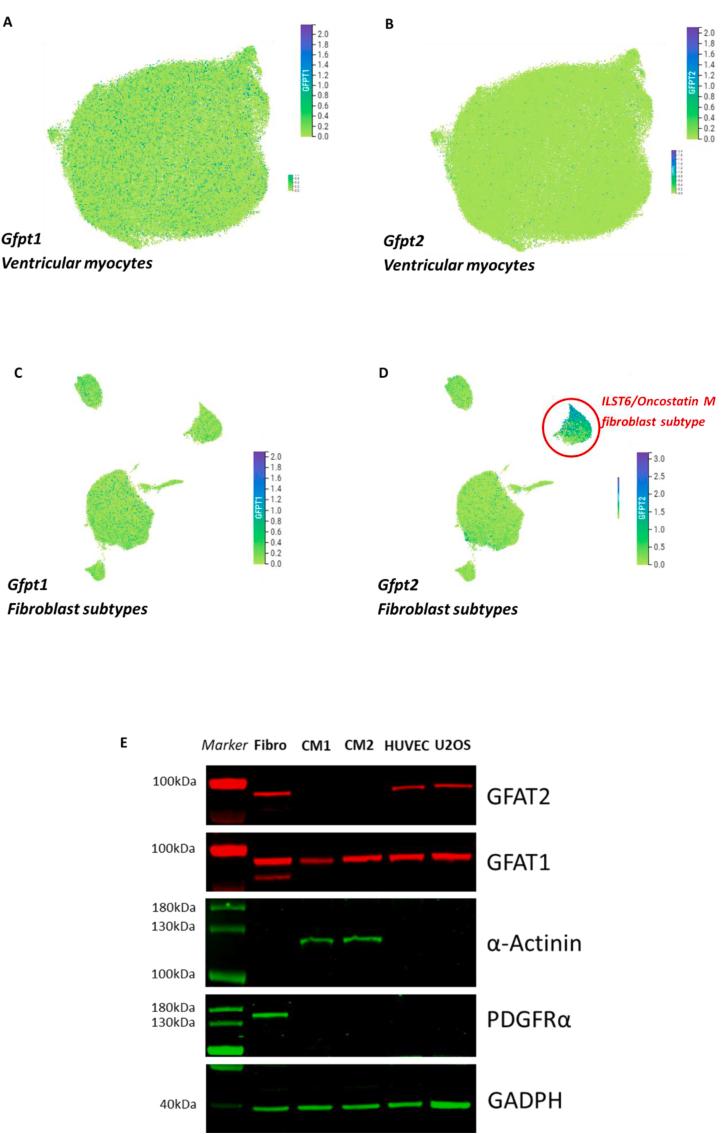
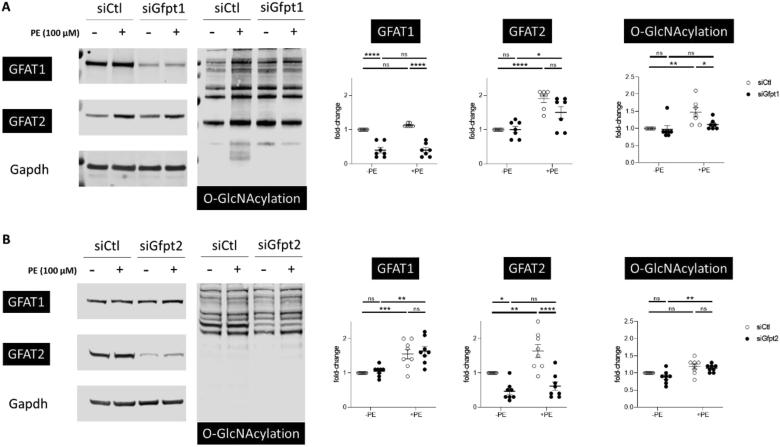
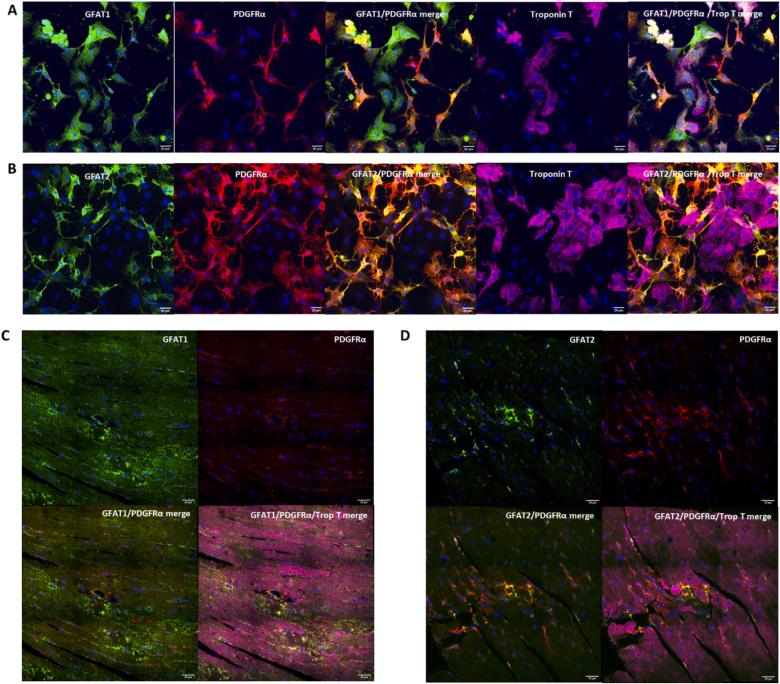
In response to cardiac injury, increased activity of the hexosamine biosynthesis pathway (HBP) is linked with cytoprotective as well as adverse effects depending on the type and duration of injury. Glutamine-fructose amidotransferase (GFAT; gene name gfpt) is the rate-limiting enzyme that controls flux through HBP. Two protein isoforms exist in the heart called GFAT1 and GFAT2. There are conflicting data on the relative importance of GFAT1 and GFAT2 during stress-induced HBP responses in the heart. Using neonatal rat cardiac cell preparations, targeted knockdown of GFPT1 and GFPT2 were performed and HBP activity measured. Immunostaining with specific GFAT1 and GFAT2 antibodies was undertaken in neonatal rat cardiac preparations and murine cardiac tissues to characterise cell-specific expression. Publicly available human heart single cell sequencing data was interrogated to determine cell-type expression. Western blots for GFAT isoform protein expression were performed in human cardiomyocytes derived from induced pluripotent stem cells (iPSCs). GFPT1 but not GFPT2 knockdown resulted in a loss of stress-induced protein O-GlcNAcylation in neonatal cardiac cell preparations indicating reduced HBP activity. In rodent cells and tissue, immunostaining for GFAT1 identified expression in both cardiac myocytes and fibroblasts whereas immunostaining for GFAT2 was only identified in fibroblasts. Further corroboration of findings in human heart cells identified an enrichment of GFPT2 gene expression in cardiac fibroblasts but not ventricular myocytes whereas GFPT1 was expressed in both myocytes and fibroblasts. In human iPSC-derived cardiomyocytes, only GFAT1 protein was expressed with an absence of GFAT2. In conclusion, these results indicate that GFAT1 is the primary cardiomyocyte isoform and GFAT2 is only present in cardiac fibroblasts. Cell-specific isoform expression may have differing effects on cell function and should be considered when studying HBP and GFAT functions in the heart.
针对心脏损伤,己糖胺生物合成途径 (HBP) 的活性增加与细胞保护以及损伤的类型和持续时间有关的不良反应有关。谷氨酰胺果糖酰胺转移酶 (GFAT; 基因名称 gfpt) 是控制 HBP 通量的限速酶。心脏中存在两种蛋白同工型,称为 GFAT1 和 GFAT2。在心脏应激诱导的 HBP 反应中,GFAT1 和 GFAT2 的相对重要性存在相互矛盾的数据。使用新生大鼠心脏细胞制剂,靶向敲低 GFPT1 和 GFPT2 并测量 HBP 活性。用特异性 GFAT1 和 GFAT2 抗体对新生大鼠心脏制剂和鼠心脏组织进行免疫染色,以表征细胞特异性表达。对公开的人类心脏单细胞测序数据进行了查询,以确定细胞类型表达。在诱导多能干细胞 (iPSC) 衍生的人心肌细胞中进行 GFAT 同工型蛋白表达的 Western blot。只有 GFPT1 敲低而不是 GFPT2 敲低导致新生心脏细胞制剂中应激诱导的蛋白 O-GlcNAcylation 丢失,表明 HBP 活性降低。在啮齿动物细胞和组织中,GFAT1 的免疫染色鉴定出心肌细胞和成纤维细胞中均有表达,而 GFAT2 的免疫染色仅在成纤维细胞中鉴定出。在人类心脏细胞中的发现进一步证实,GFPT2 基因表达在心脏成纤维细胞中富集,但在心室肌细胞中不存在,而 GFPT1 在心肌细胞和成纤维细胞中均有表达。在人 iPSC 衍生的心肌细胞中,只有 GFAT1 蛋白表达,而没有 GFAT2 蛋白表达。总之,这些结果表明 GFAT1 是主要的心肌细胞同工型,而 GFAT2 仅存在于心脏成纤维细胞中。细胞特异性同工型表达可能对细胞功能有不同的影响,在研究 HBP 和 GFAT 在心脏中的功能时应予以考虑。
 Zotero 插件