
磁共振显示脊髓性肌萎缩症中线粒体功能障碍和肌肉重塑。
Magnetic resonance reveals mitochondrial dysfunction and muscle remodelling in spinal muscular atrophy.
机构信息
Centre for Child Development, Exercise and Physical Literacy, Wilhelmina Children's Hospital, University Medical Centre Utrecht, P.O. Box 85090, 3508 AB Utrecht, the Netherlands.
UMC Utrecht Brain Centre, Department of Neurology and Neurosurgery, University Medical Centre Utrecht Brain Center, Utrecht University, P.O. Box 85500, 3508 GA Utrecht, the Netherlands.
出版信息
Brain. 2022 May 24;145(4):1422-1435. doi: 10.1093/brain/awab411.
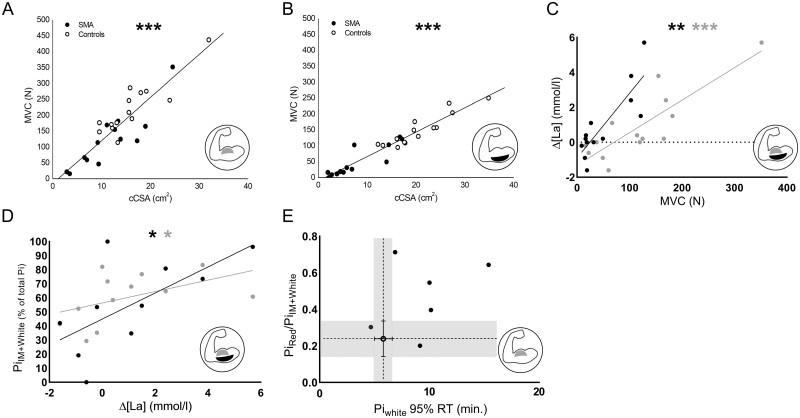
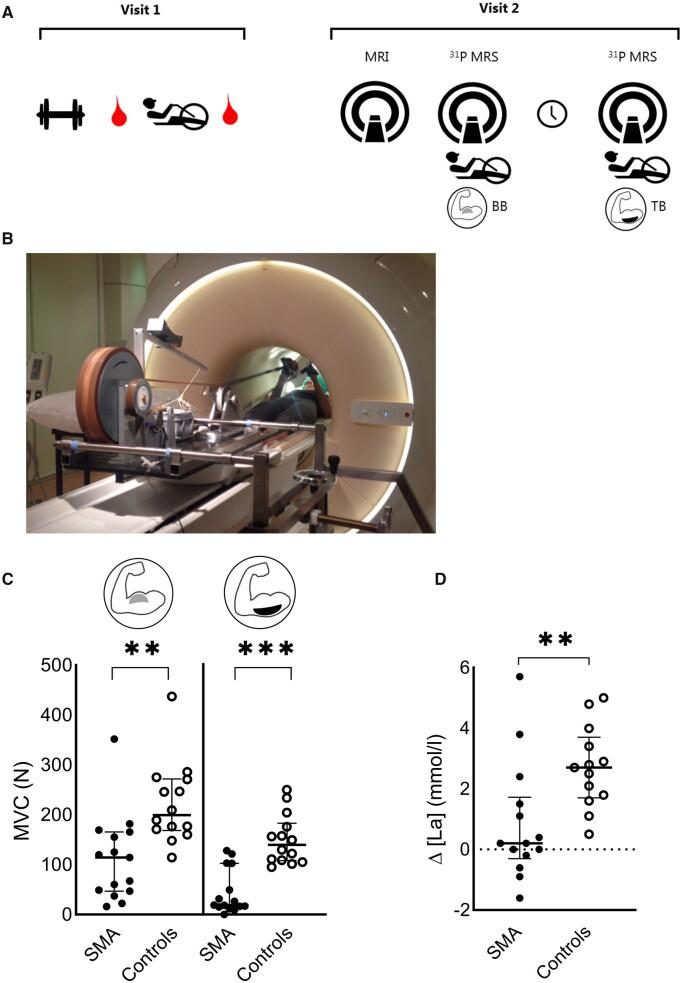
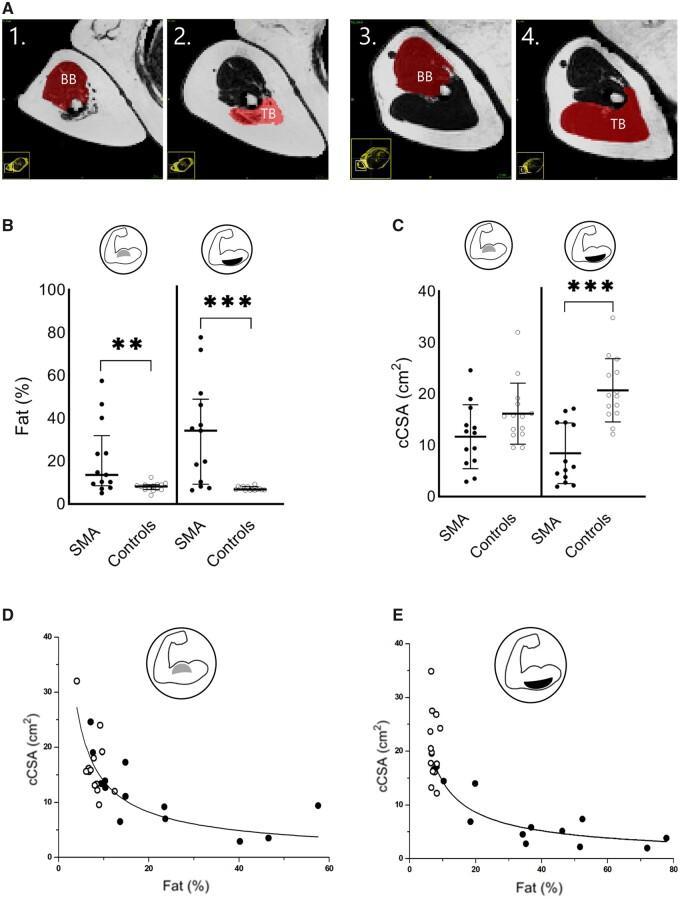
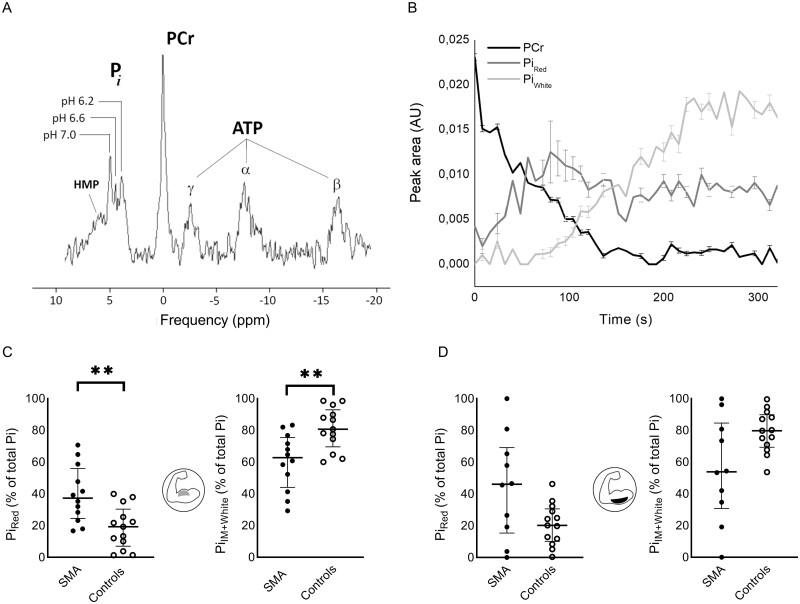
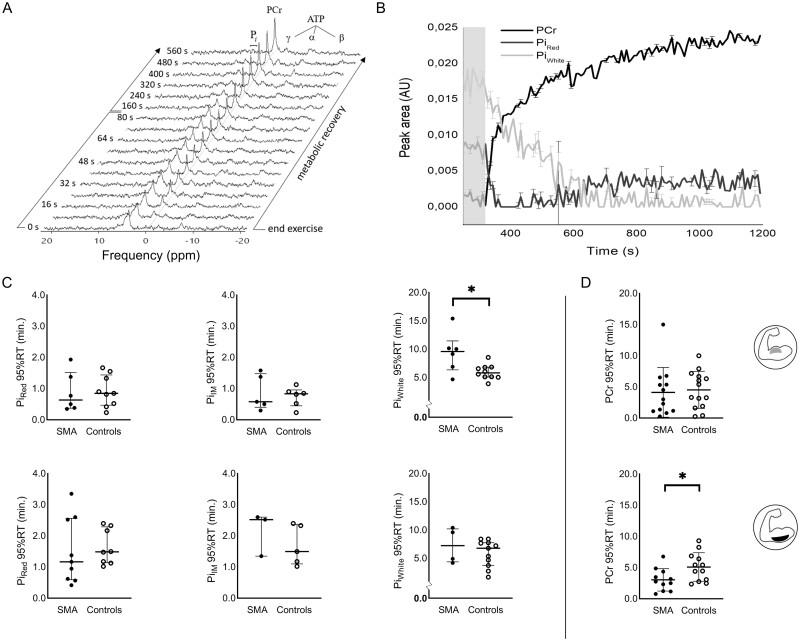
Genetic therapy has changed the prognosis of hereditary proximal spinal muscular atrophy, although treatment efficacy has been variable. There is a clear need for deeper understanding of underlying causes of muscle weakness and exercise intolerance in patients with this disease to further optimize treatment strategies. Animal models suggest that in addition to motor neuron and associated musculature degeneration, intrinsic abnormalities of muscle itself including mitochondrial dysfunction contribute to the disease aetiology. To test this hypothesis in patients, we conducted the first in vivo clinical investigation of muscle bioenergetics. We recruited 15 patients and 15 healthy age and gender-matched control subjects in this cross-sectional clinico-radiological study. MRI and 31P magnetic resonance spectroscopy, the modality of choice to interrogate muscle energetics and phenotypic fibre-type makeup, was performed of the proximal arm musculature in combination with fatiguing arm-cycling exercise and blood lactate testing. We derived bioenergetic parameter estimates including: blood lactate, intramuscular pH and inorganic phosphate accumulation during exercise, and muscle dynamic recovery constants. A linear correlation was used to test for associations between muscle morphological and bioenergetic parameters and clinico-functional measures of muscle weakness. MRI showed significant atrophy of triceps but not biceps muscles in patients. Maximal voluntary contraction force normalized to muscle cross-sectional area for both arm muscles was 1.4-fold lower in patients than in controls, indicating altered intrinsic muscle properties other than atrophy contributed to muscle weakness in this cohort. In vivo31P magnetic resonance spectroscopy identified white-to-red remodelling of residual proximal arm musculature in patients on the basis of altered intramuscular inorganic phosphate accumulation during arm-cycling in red versus white and intermediate myofibres. Blood lactate rise during arm-cycling was blunted in patients and correlated with muscle weakness and phenotypic muscle makeup. Post-exercise metabolic recovery was slower in residual intramuscular white myofibres in patients demonstrating mitochondrial ATP synthetic dysfunction in this particular fibre type. This study provides the first in vivo evidence in patients that degeneration of motor neurons and associated musculature causing atrophy and muscle weakness in 5q spinal muscular atrophy type 3 and 4 is aggravated by disproportionate depletion of myofibres that contract fastest and strongest. Our finding of decreased mitochondrial ATP synthetic function selectively in residual white myofibres provides both a possible clue to understanding the apparent vulnerability of this particular fibre type in 5q spinal muscular atrophy types 3 and 4 as well as a new biomarker and target for therapy.
遗传疗法改变了遗传性近端脊髓性肌萎缩症的预后,尽管治疗效果各不相同。为了进一步优化治疗策略,我们非常有必要深入了解导致此类疾病患者肌肉无力和运动不耐受的根本原因。动物模型表明,除运动神经元和相关肌肉退化外,肌肉本身的内在异常,包括线粒体功能障碍,也会导致疾病的发生。为了在患者中验证这一假说,我们进行了首次针对肌肉生物能量学的临床活体研究。在这项横断面临床放射学研究中,我们招募了 15 名患者和 15 名年龄和性别匹配的健康对照者。我们对近端手臂肌肉进行了磁共振成像(MRI)和 31P 磁共振波谱检查(该检查是探究肌肉能量代谢和表型纤维类型构成的首选方法),并结合疲劳手臂循环运动和血乳酸测试。我们得出了包括血乳酸、运动过程中肌肉内 pH 值和无机磷酸盐积累、肌肉动态恢复常数在内的生物能量参数估计值。我们使用线性相关来检验肌肉形态和生物能量参数与肌肉无力的临床功能测量指标之间的关联。MRI 显示患者的肱三头肌显著萎缩,但二头肌无萎缩。与对照组相比,患者双侧手臂肌肉的最大自主收缩力与肌肉横截面积的比值降低了 1.4 倍,这表明除了肌肉萎缩之外,还存在其他内在的肌肉特性改变导致了该队列患者的肌肉无力。活体 31P 磁共振波谱分析发现,在手臂循环运动过程中,患者的残余近端手臂肌肉中出现了白肌向红肌的重塑,这是基于红肌和中间肌的肌内无机磷酸盐积累的变化。患者手臂循环运动时血乳酸升高幅度降低,并与肌肉无力和表型肌肉构成相关。运动后,患者残余的白肌纤维内代谢恢复速度较慢,这表明这些纤维类型的线粒体 ATP 合成功能障碍。本研究首次在患者中提供了活体证据,证明导致 5q 脊髓性肌萎缩症 3 型和 4 型肌肉萎缩和无力的运动神经元和相关肌肉的退化,因收缩最快和最强的肌纤维的不成比例消耗而加重。我们发现残余的白肌纤维中存在减少的线粒体 ATP 合成功能,这不仅为理解 5q 脊髓性肌萎缩症 3 型和 4 型中这种特殊纤维类型的明显脆弱性提供了一个可能的线索,还为这种疾病提供了一个新的生物标志物和治疗靶点。
 Zotero 插件