
便携式、开源的解决方案,用于估计中风患者在伸手过程中的手腕位置。
Portable, open-source solutions for estimating wrist position during reaching in people with stroke.
机构信息
Southern Illinois University School of Medicine, Springfield, IL, 62794, USA.
Department of Neurology, Northwestern University, Chicago, IL, 60611, USA.
出版信息
Sci Rep. 2021 Nov 18;11(1):22491. doi: 10.1038/s41598-021-01805-2.
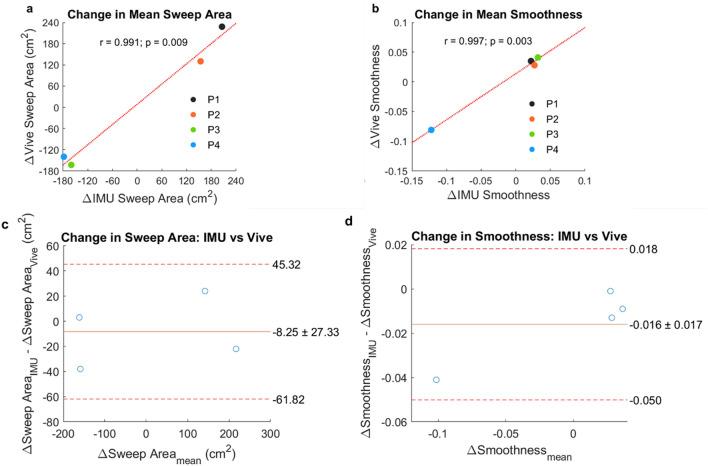
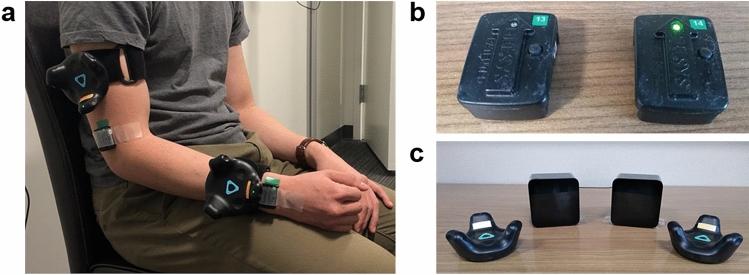
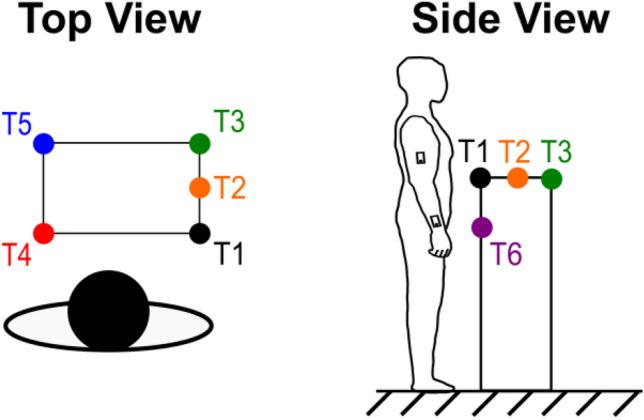
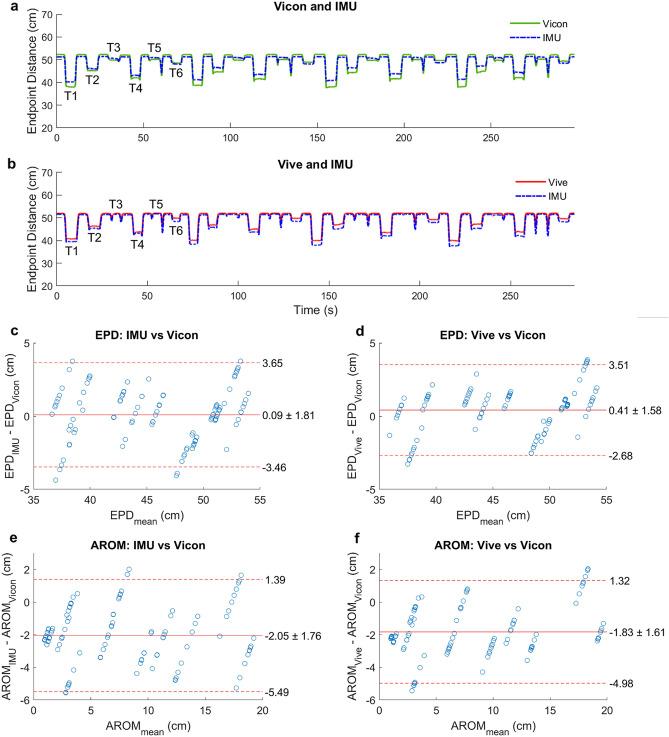
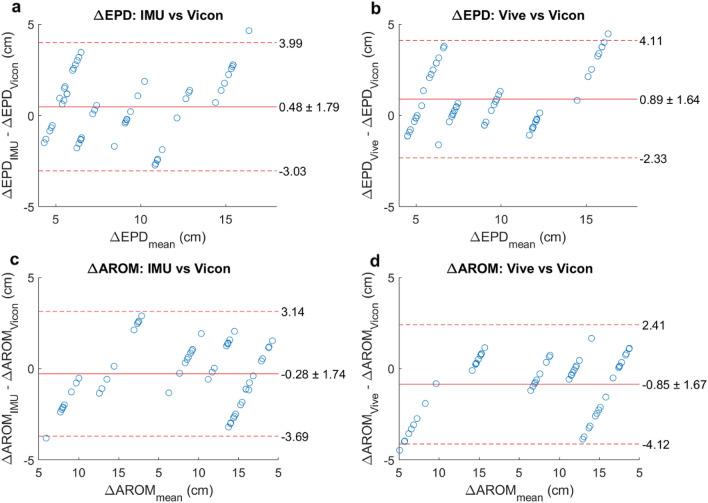
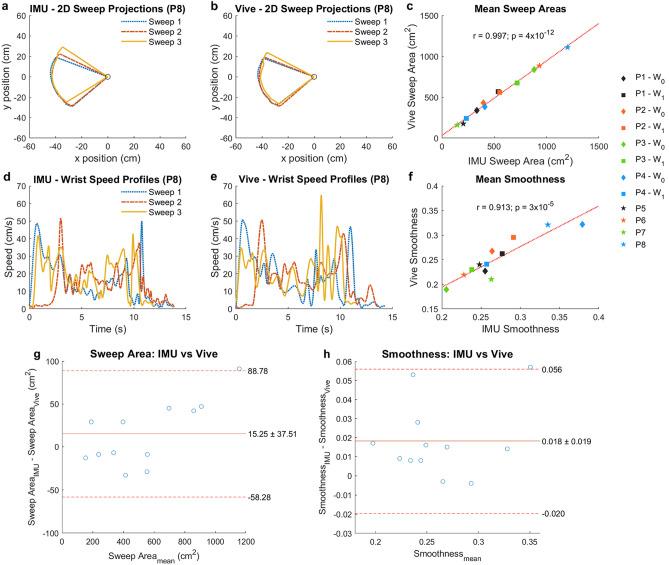
Arm movement kinematics may provide a more sensitive way to assess neurorehabilitation outcomes than existing metrics. However, measuring arm kinematics in people with stroke can be challenging for traditional optical tracking systems due to non-ideal environments, expense, and difficulty performing required calibration. Here, we present two open-source methods, one using inertial measurement units (IMUs) and another using virtual reality (Vive) sensors, for accurate measurements of wrist position with respect to the shoulder during reaching movements in people with stroke. We assessed the accuracy of each method during a 3D reaching task. We also demonstrated each method's ability to track two metrics derived from kinematics-sweep area and smoothness-in people with chronic stroke. We computed correlation coefficients between the kinematics estimated by each method when appropriate. Compared to a traditional optical tracking system, both methods accurately tracked the wrist during reaching, with mean signed errors of 0.09 ± 1.81 cm and 0.48 ± 1.58 cm for the IMUs and Vive, respectively. Furthermore, both methods' estimated kinematics were highly correlated with each other (p < 0.01). By using relatively inexpensive wearable sensors, these methods may be useful for developing kinematic metrics to evaluate stroke rehabilitation outcomes in both laboratory and clinical environments.
手臂运动运动学可能比现有指标提供一种更敏感的方法来评估神经康复的结果。然而,由于不理想的环境、费用和进行所需校准的困难,传统的光学跟踪系统在测量中风患者的手臂运动学方面可能具有挑战性。在这里,我们提出了两种开源方法,一种使用惯性测量单元(IMU),另一种使用虚拟现实(Vive)传感器,用于准确测量中风患者在进行手臂伸展运动时手腕相对于肩部的位置。我们在 3D 伸展任务中评估了每种方法的准确性。我们还展示了每种方法在跟踪慢性中风患者的两个运动学衍生指标方面的能力——扫掠面积和平滑度。在适当的情况下,我们计算了每个方法估算的运动学之间的相关系数。与传统的光学跟踪系统相比,这两种方法都能准确地跟踪手臂伸展过程中的手腕,IMU 和 Vive 的平均符号误差分别为 0.09±1.81 厘米和 0.48±1.58 厘米。此外,两种方法的估计运动学之间高度相关(p<0.01)。通过使用相对便宜的可穿戴传感器,这些方法可能有助于在实验室和临床环境中开发评估中风康复结果的运动学指标。

 Zotero 插件