
多发性骨髓瘤中的基因组不稳定:事实与因素
Genome Instability in Multiple Myeloma: Facts and Factors.
作者信息
Aksenova Anna Y, Zhuk Anna S, Lada Artem G, Zotova Irina V, Stepchenkova Elena I, Kostroma Ivan I, Gritsaev Sergey V, Pavlov Youri I
机构信息
Laboratory of Amyloid Biology, St. Petersburg State University, 199034 St. Petersburg, Russia.
International Laboratory "Computer Technologies", ITMO University, 197101 St. Petersburg, Russia.
出版信息
Cancers (Basel). 2021 Nov 26;13(23):5949. doi: 10.3390/cancers13235949.
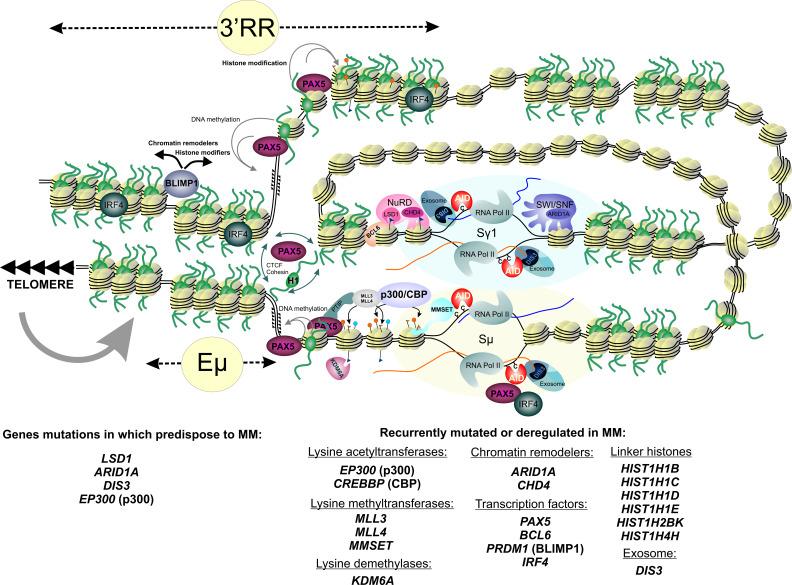
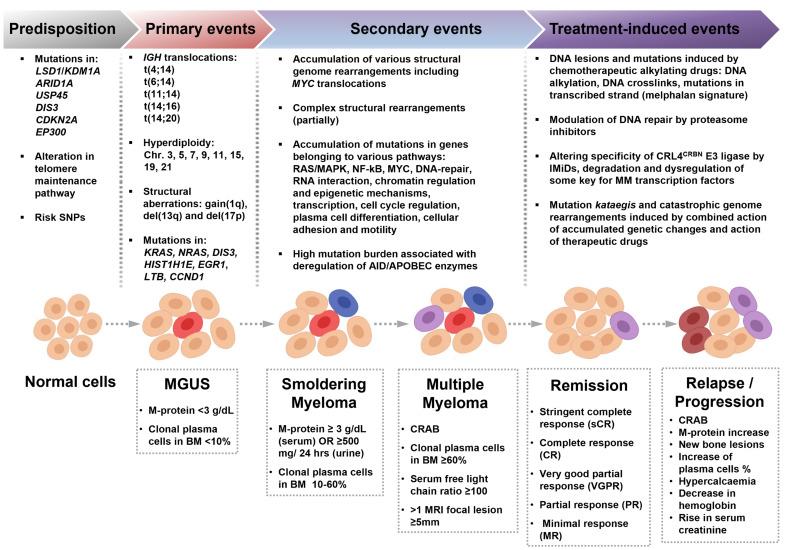
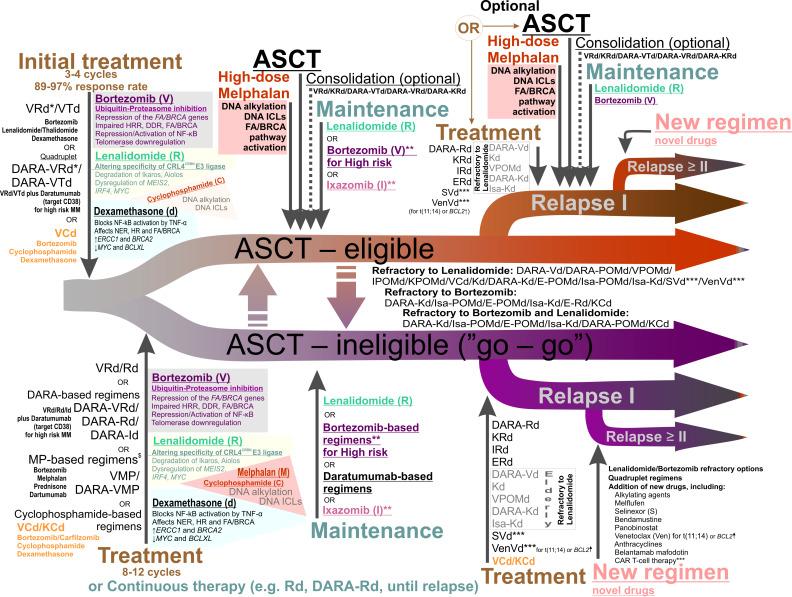
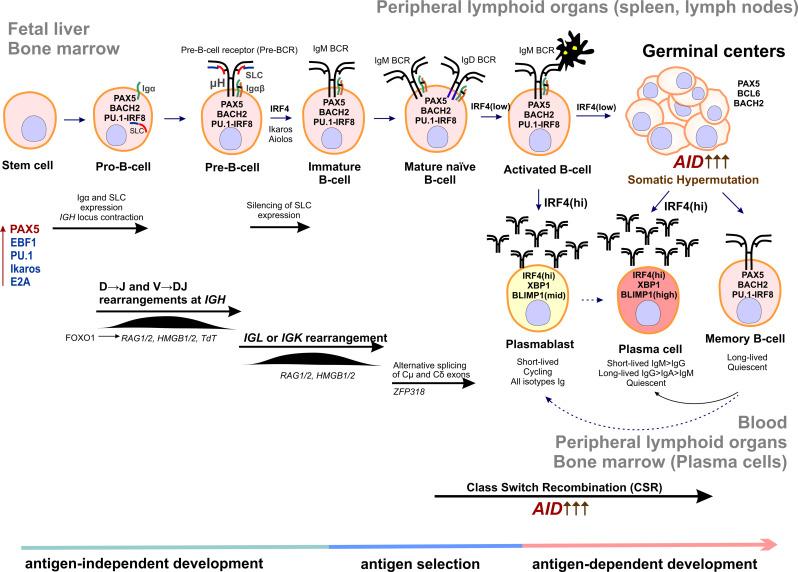
Multiple myeloma (MM) is a malignant neoplasm of terminally differentiated immunoglobulin-producing B lymphocytes called plasma cells. MM is the second most common hematologic malignancy, and it poses a heavy economic and social burden because it remains incurable and confers a profound disability to patients. Despite current progress in MM treatment, the disease invariably recurs, even after the transplantation of autologous hematopoietic stem cells (ASCT). Biological processes leading to a pathological myeloma clone and the mechanisms of further evolution of the disease are far from complete understanding. Genetically, MM is a complex disease that demonstrates a high level of heterogeneity. Myeloma genomes carry numerous genetic changes, including structural genome variations and chromosomal gains and losses, and these changes occur in combinations with point mutations affecting various cellular pathways, including genome maintenance. MM genome instability in its extreme is manifested in mutation and complex genomic rearrangements: chromothripsis, templated insertions, and chromoplexy. Chemotherapeutic agents used to treat MM add another level of complexity because many of them exacerbate genome instability. Genome abnormalities are driver events and deciphering their mechanisms will help understand the causes of MM and play a pivotal role in developing new therapies.
多发性骨髓瘤(MM)是一种由终末分化的产生免疫球蛋白的B淋巴细胞即浆细胞形成的恶性肿瘤。MM是第二常见的血液系统恶性肿瘤,由于其仍无法治愈且会给患者带来严重残疾,因而造成了沉重的经济和社会负担。尽管目前MM治疗取得了进展,但即便在自体造血干细胞移植(ASCT)后,该疾病仍总会复发。导致病理性骨髓瘤克隆的生物学过程以及疾病进一步演变的机制仍远未完全明了。从基因角度来看,MM是一种具有高度异质性的复杂疾病。骨髓瘤基因组存在众多基因变化,包括基因组结构变异以及染色体的增减,并且这些变化与影响包括基因组维持在内的各种细胞通路的点突变共同发生。MM基因组的极端不稳定性表现为突变和复杂的基因组重排:染色体碎裂、模板化插入和染色体混乱。用于治疗MM的化疗药物又增加了另一层面的复杂性,因为其中许多药物会加剧基因组不稳定性。基因组异常是驱动事件,对其机制的解读将有助于理解MM的病因,并在开发新疗法中发挥关键作用。
 Zotero 插件