
用于抗击新冠疫情的个人防护装备的环境影响
Environmental Impacts of Personal Protective Clothing Used to Combat COVID- 19.
作者信息
Uddin Mohammad Abbas, Afroj Shaila, Hasan Tahmid, Carr Chris, Novoselov Kostya S, Karim Nazmul
机构信息
Department of Dyes and Chemical Engineering Bangladesh University of Textiles Tejgaon Dhaka 1208 Bangladesh.
Centre for Print Research (CFPR) The University of West of England Frenchay Campus Bristol BS16 1QY UK.
出版信息
Adv Sustain Syst. 2022 Jan;6(1):2100176. doi: 10.1002/adsu.202100176. Epub 2021 Oct 13.
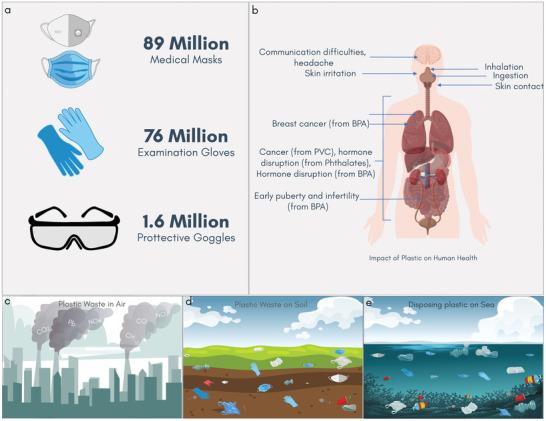
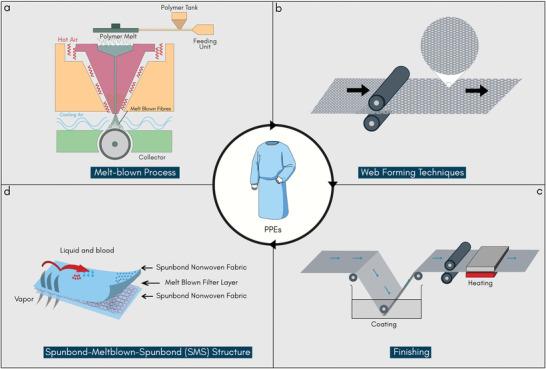
Personal protective clothing is critical to shield users from highly infectious diseases including COVID-19. Such clothing is predominantly single-use, made of plastic-based synthetic fibers such as polypropylene and polyester, low cost and able to provide protection against pathogens. However, the environmental impacts of synthetic fiber-based clothing are significant and well-documented. Despite growing environmental concerns with single-use plastic-based protective clothing, the recent COVID-19 pandemic has seen a significant increase in their use, which could result in a further surge of oceanic plastic pollution, adding to the mass of plastic waste that already threatens marine life. In this review, the nature of the raw materials involved in the production of such clothing, as well as manufacturing techniques and the personal protective equipment supply chain are briefly discussed. The environmental impacts at critical points in the protective clothing value chain are identified from production to consumption, focusing on water use, chemical pollution, CO emissions, and waste. On the basis of these environmental impacts, the need for fundamental changes in the business model is outlined, including increased usage of reusable protective clothing, addressing supply chain "bottlenecks", establishing better waste management, and the use of sustainable materials and processes without associated environmental problems.
个人防护服对于保护使用者免受包括新冠病毒在内的高传染性疾病至关重要。这类服装主要为一次性使用,由聚丙烯和聚酯等塑料基合成纤维制成,成本低廉且能提供病原体防护。然而,合成纤维基服装对环境的影响巨大且有充分记录。尽管人们对一次性塑料基防护服的环境问题日益担忧,但近期的新冠疫情导致其使用量大幅增加,这可能会进一步加剧海洋塑料污染,使本就威胁海洋生物的塑料垃圾总量增加。在本综述中,简要讨论了此类服装生产所涉及原材料的性质、制造技术以及个人防护装备供应链。确定了防护服价值链从生产到消费各关键点的环境影响,重点关注用水、化学污染、碳排放和废物。基于这些环境影响,概述了商业模式进行根本性变革的必要性,包括增加可重复使用防护服的使用、解决供应链“瓶颈”、建立更好的废物管理以及使用无相关环境问题的可持续材料和工艺。




 Zotero 插件