
化学合成与生物合成纳米硫对人癌细胞的细胞毒性和凋亡作用:一项比较研究
Cytotoxic and Apoptotic Effects of Chemogenic and Biogenic Nano-sulfur on Human Carcinoma Cells: A Comparative Study.
作者信息
Krishnappa Samrat, Naganna Chandraprabha M, Rajan Hari Krishna, Rajashekarappa Sharath, Gowdru Harish Basavanthappa
机构信息
Department of Biotechnology, M.S. Ramaiah Institute of Technology (Affiliated to Visvesvaraya Technological University, Belgaum), Bangalore, Karnataka 560 054, India.
Department of Chemistry, M.S. Ramaiah Institute of Technology, Bangalore, Karnataka 560 054, India.
出版信息
ACS Omega. 2021 Nov 23;6(48):32548-32562. doi: 10.1021/acsomega.1c04047. eCollection 2021 Dec 7.
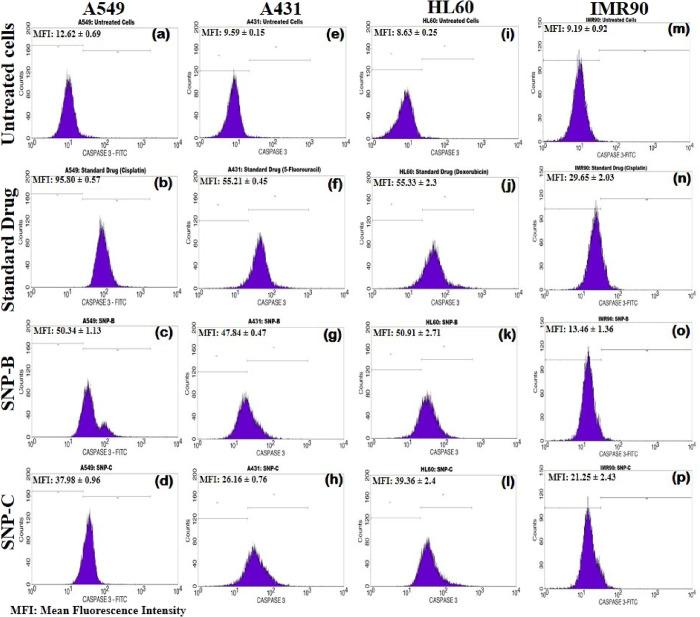
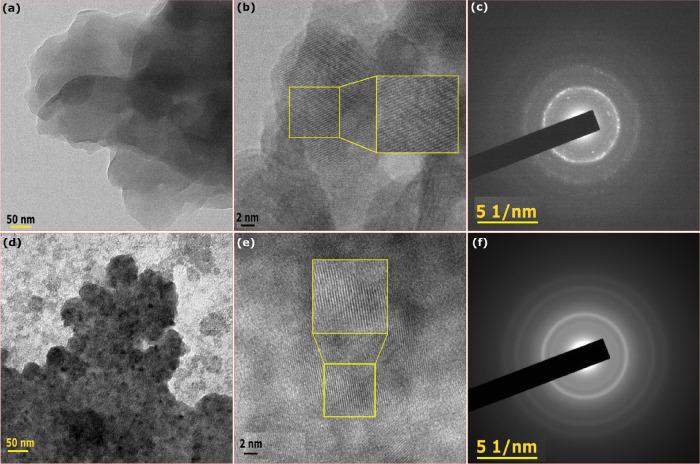
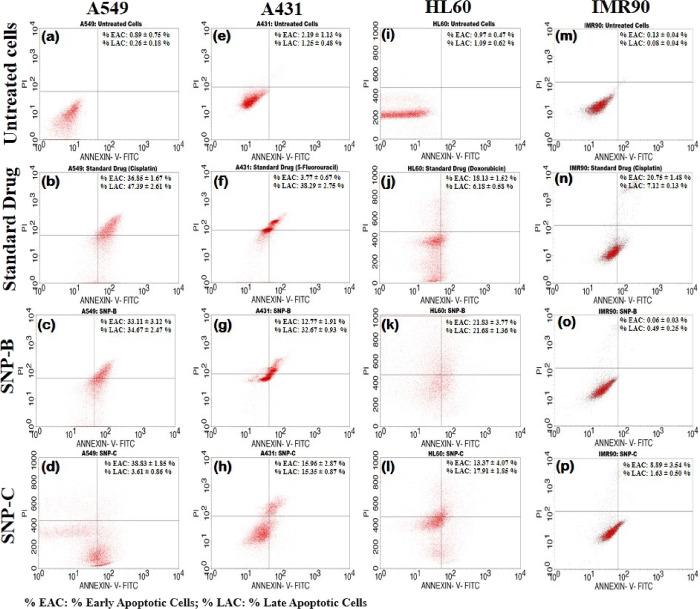
Two-dimensional nanostructures have gained tremendous interest in the field of biomedical applications and cancer activity in particular. Although sulfur is known for its wide range of biological activities, its potentiality in two-dimensional forms as an antitumor agent is hitherto unexplored. To address the current deficient knowledge on nano-sulfur as an antitumor agent, we report the synthesis of nano-sulfur sheets/particles and their cytotoxic, apoptotic activity against human carcinoma cell lines. cytotoxic effects of biogenic nanosheets (SNP-B) and chemogenic nanoparticles (SNP-C) were assessed against human lung carcinoma (A549), human epidermoid carcinoma (A431), human promyelocytic leukaemia (HL60) and human lung fibroblast (IMR90) cell lines. Cell cycle analysis, apoptotic study, and caspase-3 expression studies were carried out to understand the mechanism of cytotoxic activity of nano-sulfur. The MTT assay indicated a dose-dependent decrease in viability of all the cell lines treated with nano-sulfur, with SNP-B being more toxic compared to SNP-C. The apoptotic study and cell cycle analysis indicated cell cycle arrest followed by apoptosis-induced cell death. The caspase-3 expression study indicated that nano-sulfur induces apoptosis by the activation of caspase through the mitochondrial pathway. Apart from this, a lower cytotoxicity was observed in IMR90 cell lines treated with SNP-B , indicating a higher specificity of synthesized nanosheets towards cancer cells. Taken all together, this work highlights the potentiality of sulfur nanosheets in inducing cytotoxicity and apoptotic activity, and the impact of morphology as a critical determinant on the cytotoxic response on various cell lines.
二维纳米结构在生物医学应用领域,尤其是癌症活性方面引起了极大的关注。尽管硫因其广泛的生物活性而闻名,但其二维形式作为抗肿瘤剂的潜力迄今尚未得到探索。为了解决目前关于纳米硫作为抗肿瘤剂的知识不足,我们报道了纳米硫片/颗粒的合成及其对人癌细胞系的细胞毒性、凋亡活性。评估了生物源纳米片(SNP-B)和化学源纳米颗粒(SNP-C)对人肺癌(A549)、人表皮样癌(A431)、人早幼粒细胞白血病(HL60)和人肺成纤维细胞(IMR90)细胞系的细胞毒性作用。进行了细胞周期分析、凋亡研究和半胱天冬酶-3表达研究,以了解纳米硫的细胞毒性活性机制。MTT分析表明,用纳米硫处理的所有细胞系的活力均呈剂量依赖性下降,与SNP-C相比,SNP-B的毒性更大。凋亡研究和细胞周期分析表明细胞周期停滞,随后诱导凋亡导致细胞死亡。半胱天冬酶-3表达研究表明,纳米硫通过线粒体途径激活半胱天冬酶诱导凋亡。除此之外,在用SNP-B处理的IMR90细胞系中观察到较低的细胞毒性,表明合成的纳米片对癌细胞具有更高的特异性。综上所述,这项工作突出了硫纳米片在诱导细胞毒性和凋亡活性方面的潜力,以及形态作为各种细胞系细胞毒性反应的关键决定因素的影响。




 Zotero 插件