
松果菊苷通过下调miR-4306和miR-4508的表达抑制乳腺癌进展。
Echinacoside Suppresses the Progression of Breast Cancer by Downregulating the Expression of miR-4306 and miR-4508.
作者信息
Bian Peng, Liu Chuan, Hu Wei, Ding Yu, Qiu Shusheng, Li Liang
机构信息
Shandong Provincial Hospital Affiliated to Shandong First Medical University, Jinan, Shandong, China.
Central Hospital of Zibo, Zibo, China.
出版信息
Integr Cancer Ther. 2021 Jan-Dec;20:15347354211062639. doi: 10.1177/15347354211062639.
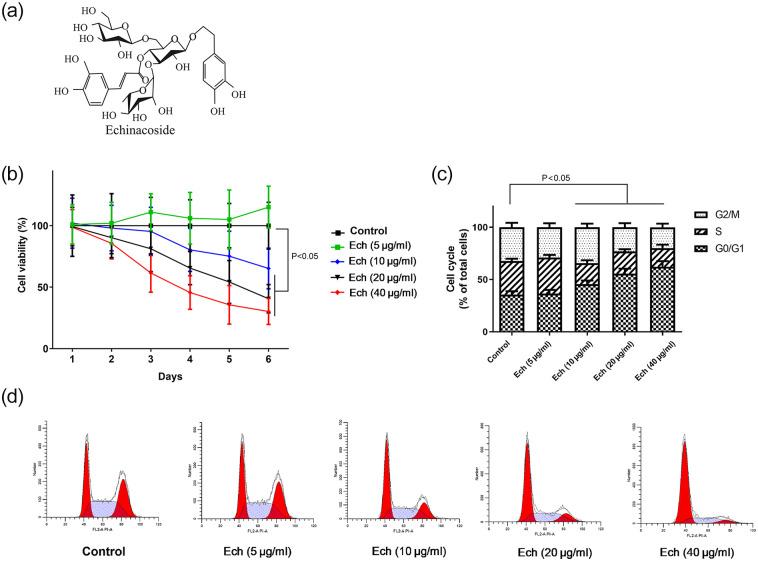
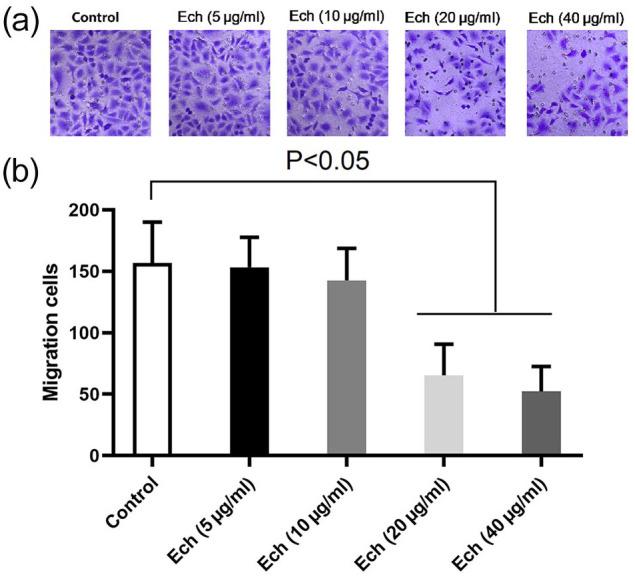
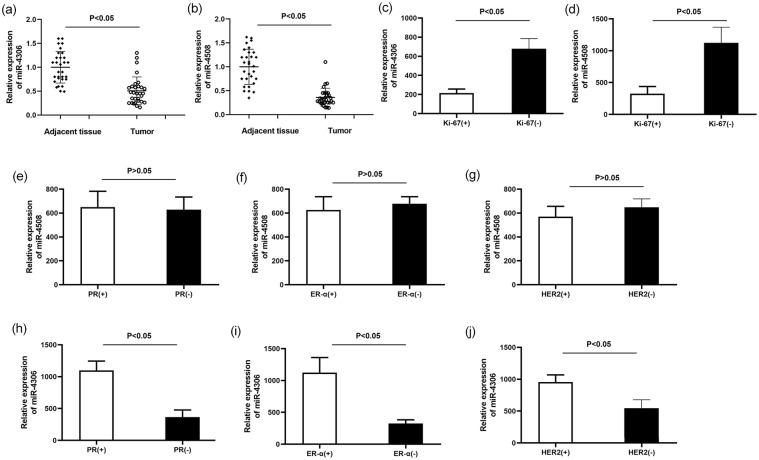
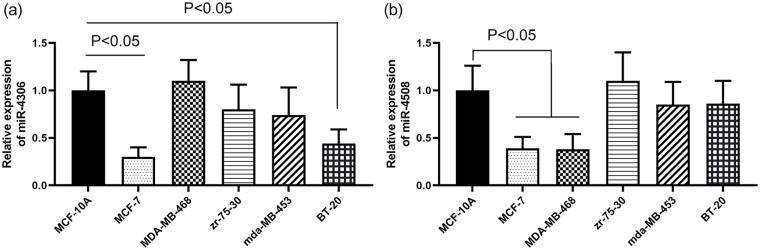
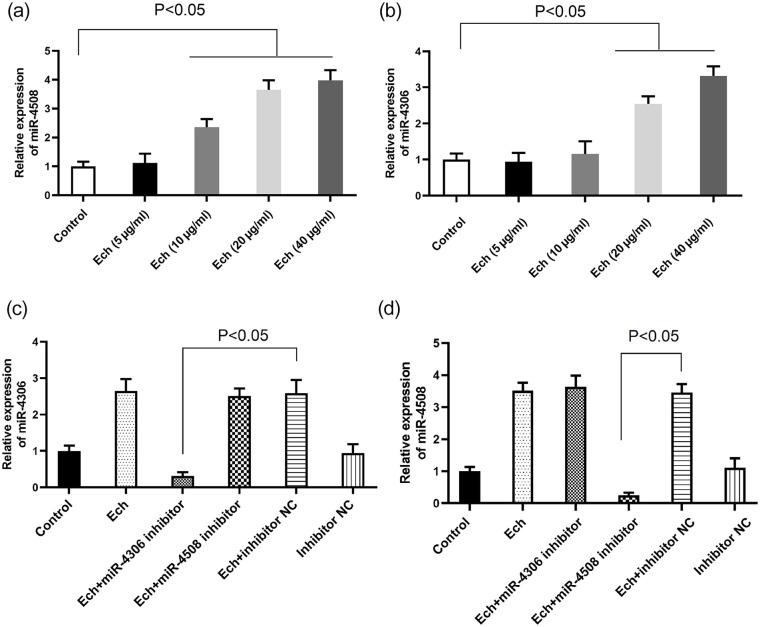
The main treatment of breast cancer includes surgical resection, radiotherapy, chemotherapy, endocrine therapy, and molecular targeted therapy, but the outcomes remain unsatisfactory. Previous studies demonstrated that echinacoside, microRNA (miRNA/miR)-4306 and miR-4508 were associated with lymph node metastasis, chemoresistance and self-renewal capability in breast cancer, but in-depth studies on the underlying mechanism of their anticancer effects have not been performed to date. In order to identify the role of miR-4306 and miR-4508, and the mechanism of the antitumor effect of echinacoside in breast cancer, the present study first examined the expression of miR-4306 and miR-4508 in breast cancer tissues to examine their possible role in the development of breast cancer, then evaluated the effect of echinacoside on the expression of miR-4306 and miR-4508 on the viability, apoptosis, cell cycle, migration, and invasion abilities of breast cancer cells to explore the anti-cancer effect of echinacoside and the involvement of miR-4306 and miR-4508. Finally, the breast cancer cells and mice bearing breast cancer xenografts were treated with echinacoside and inhibitors of miR-4508 or miR-4306 to confirm their role on the anticancer effect of echinacoside. The results showed that miR-4306 and miR-4508 were decreased in breast cancer tissues and cells. Echinacoside inhibited cell proliferation, invasion and migration, and promoted the apoptosis of breast cancer cells by downregulating the expression of miR-4306 and miR-4508. In conclusion, this is the first study to show the association between echinacoside and miRNAs in cancer. The present study elucidates an underlying molecular mechanism of the antitumor effect of echinacoside on breast cancer, and thus may contribute to preventive and therapeutic strategies for breast cancer.
乳腺癌的主要治疗方法包括手术切除、放疗、化疗、内分泌治疗和分子靶向治疗,但治疗效果仍不尽人意。以往研究表明,紫锥菊苷、微小RNA(miRNA/miR)-4306和miR-4508与乳腺癌的淋巴结转移、化疗耐药性和自我更新能力有关,但迄今为止尚未对其抗癌作用的潜在机制进行深入研究。为了明确miR-4306和miR-4508的作用以及紫锥菊苷在乳腺癌中的抗肿瘤作用机制,本研究首先检测了miR-4306和miR-4508在乳腺癌组织中的表达,以探讨它们在乳腺癌发生发展中的可能作用,然后评估紫锥菊苷对miR-4306和miR-4508表达的影响以及对乳腺癌细胞活力、凋亡、细胞周期、迁移和侵袭能力的影响,以探究紫锥菊苷的抗癌作用以及miR-4306和miR-4508的参与情况。最后,用紫锥菊苷以及miR-4508或miR-4306抑制剂处理乳腺癌细胞和携带乳腺癌异种移植瘤的小鼠,以证实它们在紫锥菊苷抗癌作用中的作用。结果显示,miR-4306和miR-4508在乳腺癌组织和细胞中表达降低。紫锥菊苷通过下调miR-4306和miR-4508的表达抑制乳腺癌细胞增殖、侵袭和迁移,并促进其凋亡。总之,这是第一项显示紫锥菊苷与癌症中miRNA之间关联的研究。本研究阐明了紫锥菊苷对乳腺癌抗肿瘤作用的潜在分子机制,因此可能有助于乳腺癌的预防和治疗策略。




 Zotero 插件