
利拉鲁肽或格列美脲治疗 2 型糖尿病患者的药物代谢组学特征。
Pharmacometabolomic profiles in type 2 diabetic subjects treated with liraglutide or glimepiride.
机构信息
Department of Medical Sciences, Campus USÖ, Örebro University, 70182, Örebro, Sweden.
School of Science and Technology, Örebro University, Örebro, Sweden.
出版信息
Cardiovasc Diabetol. 2021 Dec 17;20(1):237. doi: 10.1186/s12933-021-01431-2.
BACKGROUND
Treatment with glucagon-like peptide-1 receptor agonists (GLP-1 RAs) leads to multiple metabolic changes, reduction in glucose levels and body weight are well established. In people with type 2 diabetes, GLP-1 RAs reduce the risk of cardiovascular (CV) disease and may also potentially represent a treatment for fatty liver disease. The mechanisms behind these effects are still not fully elucidated. The aim of the study was to investigate whether treatment with liraglutide is associated with favourable metabolic changes in cases of both CV disease and fatty liver disease.
METHODS
In a prespecified post-hoc analysis of a double-blind, placebo-controlled trial in 62 individuals with type 2 diabetes (GLP-1 RA liraglutide or glimepiride, both in combination with metformin), we evaluated the changes in plasma molecular lipids and polar metabolites after 18 weeks of treatment. The lipids and polar metabolites were measured by using ultra-high-performance liquid chromatography quadrupole time-of-flight mass spectrometry (UHPLC-QTOFMS).
RESULTS
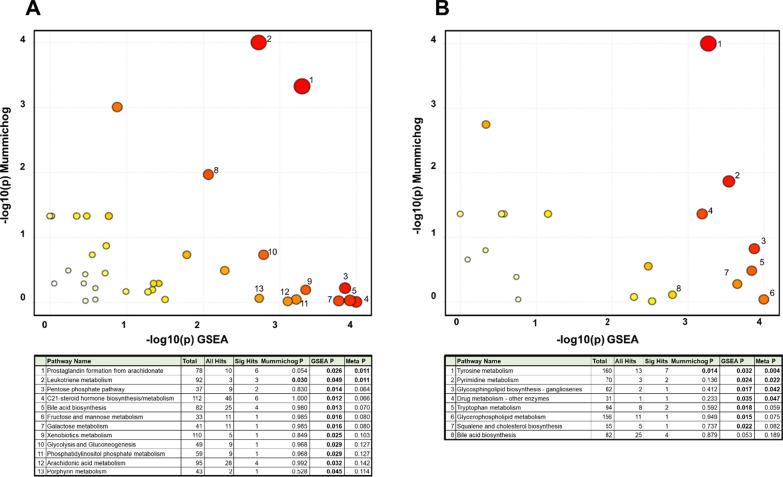
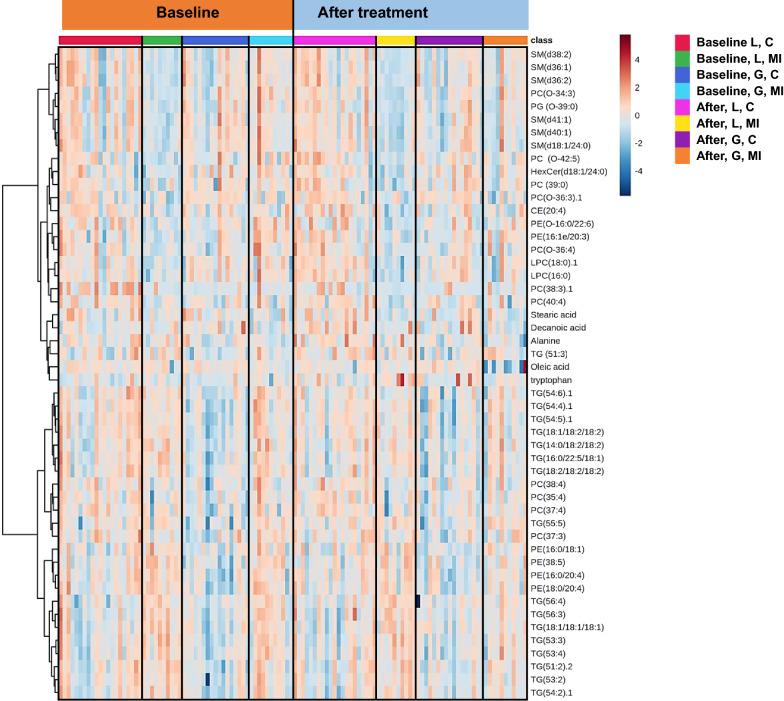
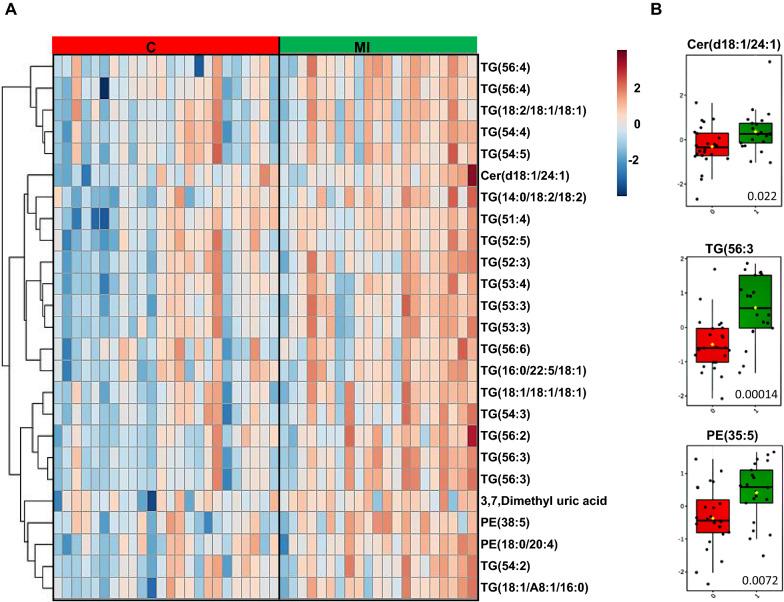
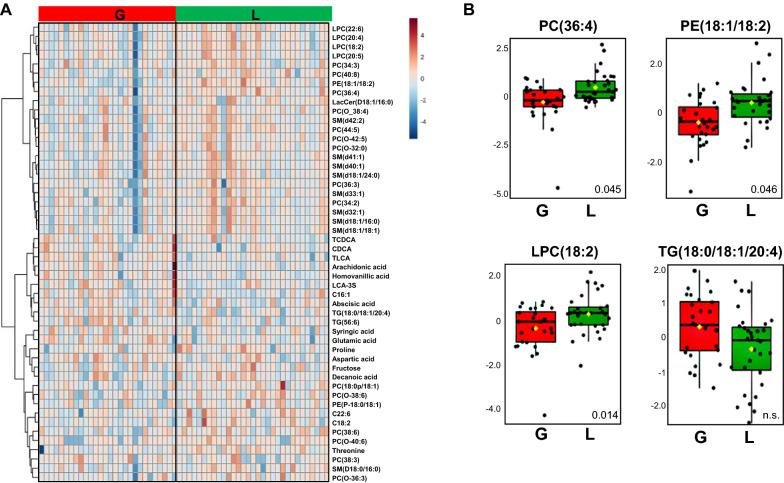
In total, 340 lipids and other metabolites were identified, covering 14 lipid classes, bile acids, free fatty acids, amino acids and other polar metabolites. We observed more significant changes in the metabolome following liraglutide treatment compared to with glimepiride, particularly as regards decreased levels of cholesterol esters hexocyl-ceramides, lysophosphatidylcholines, sphingolipids and phosphatidylcholines with alkyl ether structure. In the liraglutide-treated group, lipids were reduced by approximately 15% from baseline, compared to a 10% decrease in the glimepiride group. At the pathway level, the liraglutide treatment was associated with lipid, bile acid as well as glucose metabolism, while glimepiride treatment was associated with tryptophan metabolism, carbohydrate metabolism, and glycerophospholipid metabolism.
CONCLUSIONS
Compared with glimepiride, liraglutide treatment led to greater changes in the circulating metabolome, particularly regarding lipid metabolism involving sphingolipids, including ceramides. Our findings are hypothesis-generating and shed light on the underlying biological mechanisms of the CV benefits observed with GLP-1 RAs in outcome studies. Further studies investigating the role of GLP-1 RAs on ceramides and CV disease including fatty liver disease are warranted.
TRIAL REGISTRATION
NCT01425580.
背景
胰高血糖素样肽-1 受体激动剂(GLP-1 RAs)的治疗可导致多种代谢变化,血糖水平和体重降低已得到充分证实。在 2 型糖尿病患者中,GLP-1 RAs 可降低心血管(CV)疾病的风险,并且可能也代表治疗脂肪肝疾病的一种方法。这些作用的机制仍未完全阐明。本研究的目的是研究利拉鲁肽治疗是否与 CV 疾病和脂肪肝疾病的情况下的有利代谢变化相关。
方法
在一项针对 62 名 2 型糖尿病患者(GLP-1 RA 利拉鲁肽或格列美脲,均与二甲双胍联合使用)的双盲、安慰剂对照试验的预设事后分析中,我们评估了治疗 18 周后血浆分子脂质和极性代谢物的变化。通过使用超高效液相色谱-四极杆飞行时间质谱法(UHPLC-QTOFMS)测量脂质和极性代谢物。
结果
总共鉴定出 340 种脂质和其他代谢物,涵盖 14 种脂质类、胆汁酸、游离脂肪酸、氨基酸和其他极性代谢物。与格列美脲相比,我们观察到利拉鲁肽治疗后代谢组发生了更显著的变化,特别是胆固醇酯己酰基神经酰胺、溶血磷脂酰胆碱、鞘脂和具有烷基醚结构的磷脂酰胆碱的水平降低。在利拉鲁肽治疗组中,脂质水平从基线降低了约 15%,而格列美脲组则降低了 10%。在途径水平上,利拉鲁肽治疗与脂质、胆汁酸以及葡萄糖代谢有关,而格列美脲治疗与色氨酸代谢、碳水化合物代谢和甘油磷脂代谢有关。
结论
与格列美脲相比,利拉鲁肽治疗导致循环代谢组发生了更大的变化,特别是涉及鞘脂的脂质代谢,包括神经酰胺。我们的发现是假设产生的,并阐明了 GLP-1 RAs 在结局研究中观察到的 CV 益处的潜在生物学机制。需要进一步研究 GLP-1 RAs 对神经酰胺和 CV 疾病(包括脂肪肝疾病)的作用。
试验注册
NCT01425580。
 Zotero 插件