
全球重症肌无力的患病率及常用药物治疗效果的系统评价和荟萃分析。
Global prevalence of myasthenia gravis and the effectiveness of common drugs in its treatment: a systematic review and meta-analysis.
机构信息
Department of Biostatistics, School of Health, Kermanshah University of Medical Sciences, Kermanshah, Iran.
Student Research Committee, Kermanshah University of Medical Sciences, Kermanshah, Iran.
出版信息
J Transl Med. 2021 Dec 20;19(1):516. doi: 10.1186/s12967-021-03185-7.
BACKGROUND
Myasthenia gravis is a neuromuscular autoimmune disorder characterized by weakness and disability in the voluntary muscles. There have been several preliminary studies on the epidemiology of myasthenia gravis in different parts of the world and the effectiveness of common drugs in its treatment, but there has been no comprehensive study of the efficacy of common drugs in the treatment of myasthenia gravis. Therefore, this study aimed to determine the epidemiology of myasthenia gravis globally and the effectiveness of common drugs in its treatment using systematic review and meta-analysis.
METHODS
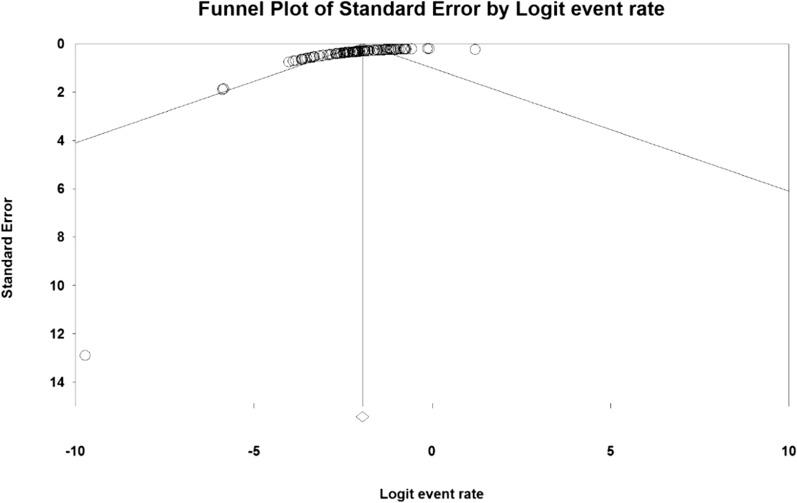
Research studies were extracted from IranDoc, MagIran, IranMedex, SID, ScienceDirect, Web of Sciences (WoS), ProQuest, Medline (PubMed), Scopus and Google Scholar based on Cochran's seven-step guidelines using existing keywords extracted in MeSH browser. The I test was used to calculate the heterogeneity of studies, and Begg and Mazumdar rank correlation tests were used to assess publication bias. Data were analyzed using Comprehensive Meta-Analysis software (Version 2).
RESULTS
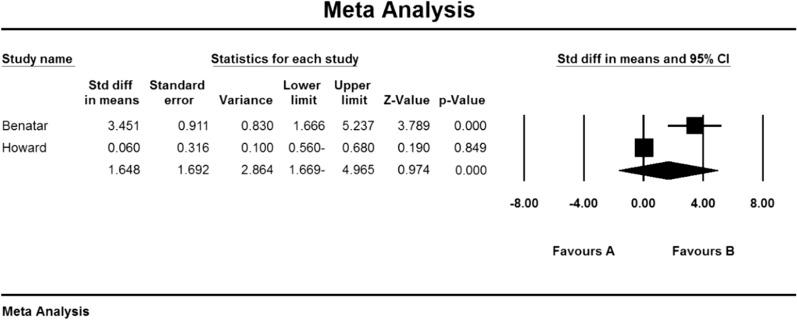
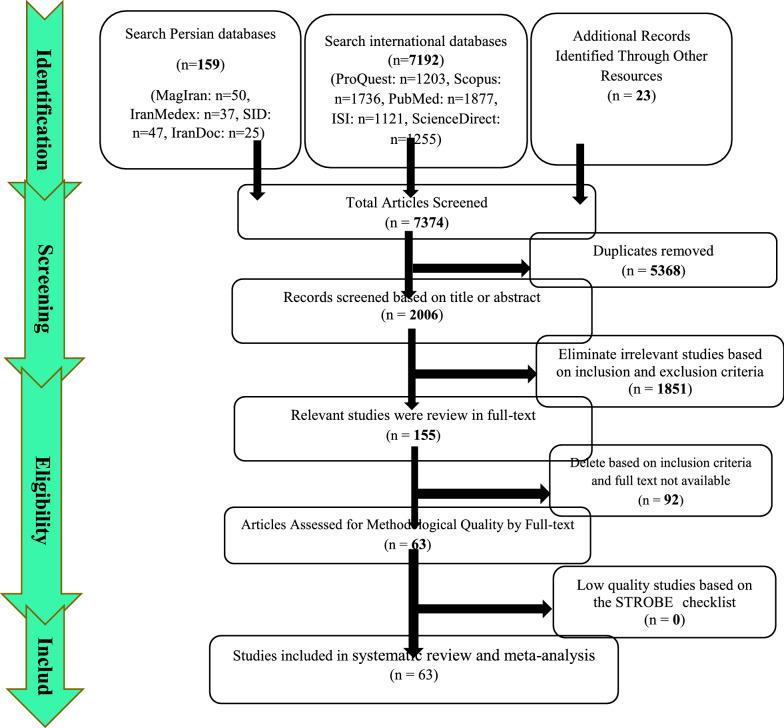
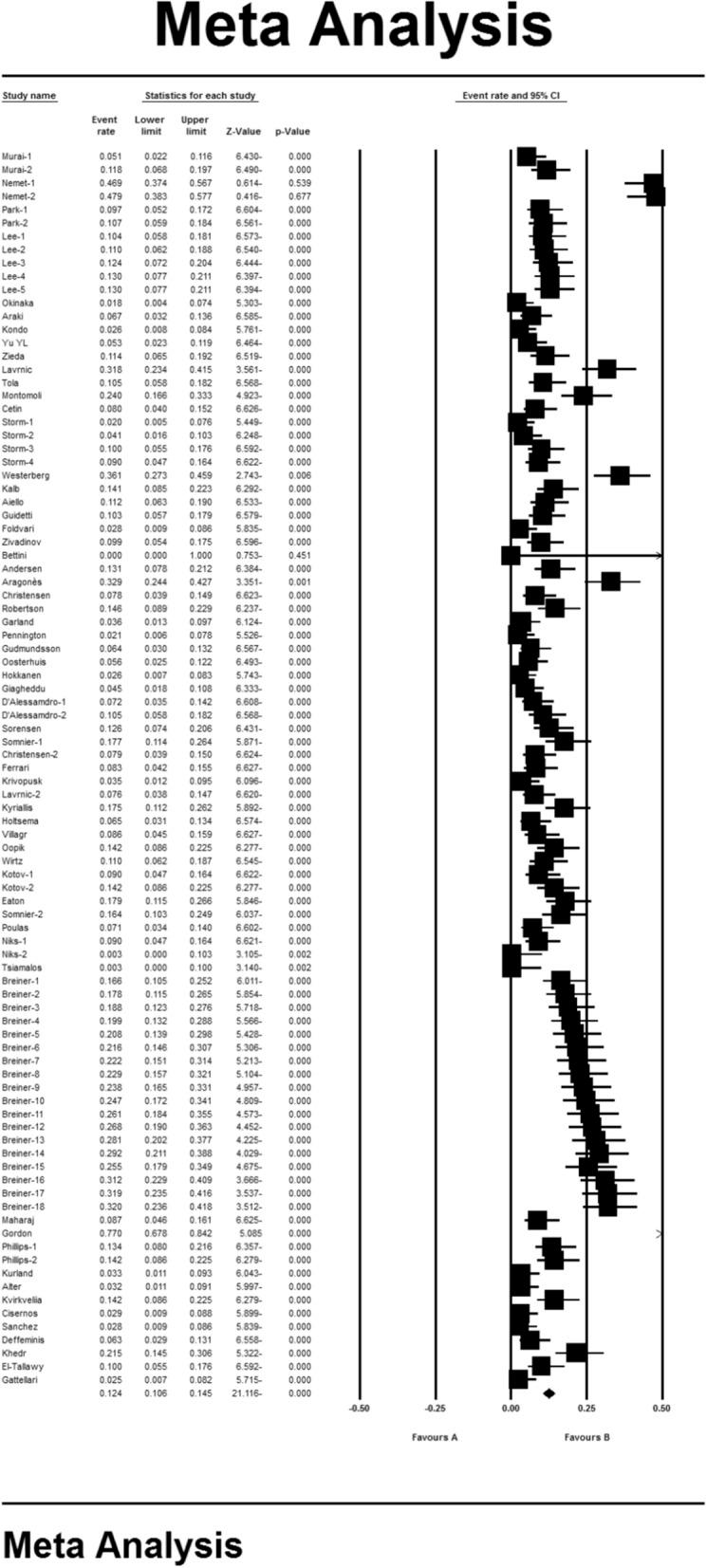
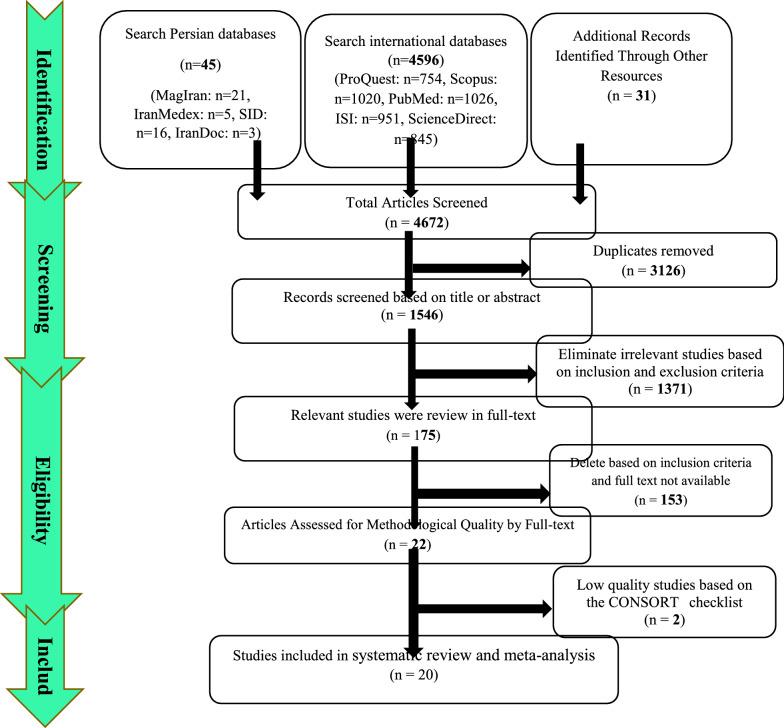
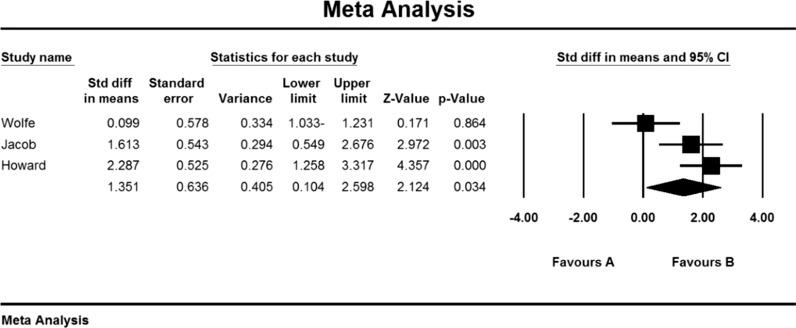
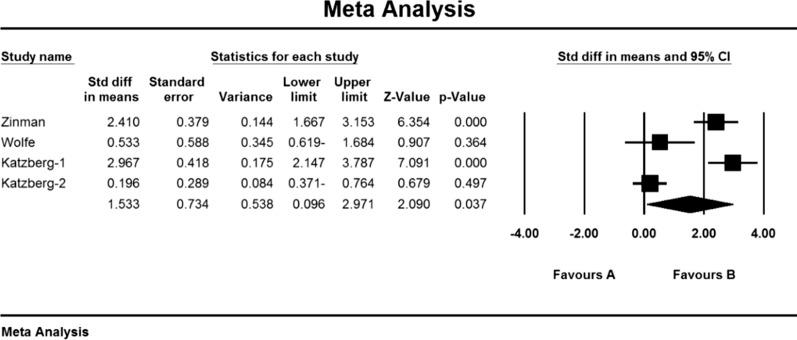
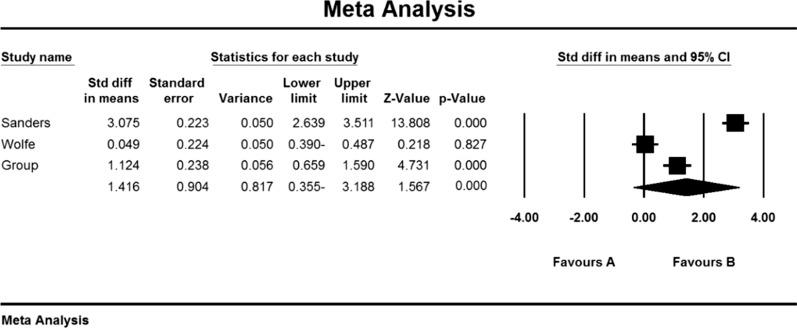
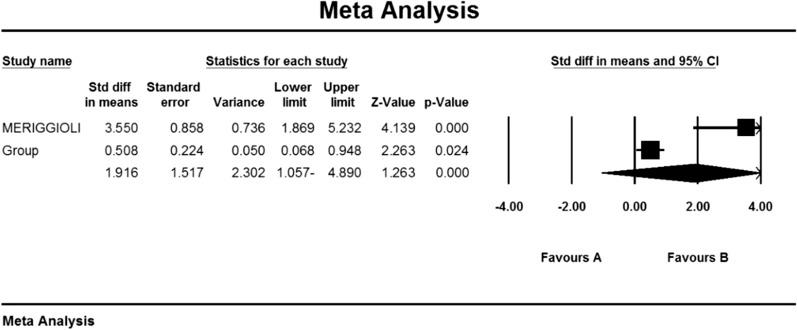
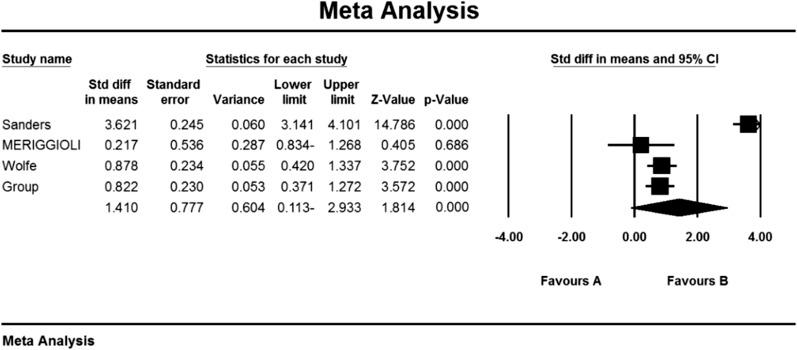
In the search for descriptive studies based on the research question, 7374 articles were found. After deleting articles unrelated to the research question, finally, 63 articles with a sample size of 1,206,961,907 people were included in the meta-analysis. The prevalence of MG worldwide was estimated to be 12.4 people (95% CI 10.6-14.5) per 100,000 population. For analytical studies on the effectiveness of common myasthenia gravis drugs, 4672 articles were found initially, and after removing articles unrelated to the research question, finally, 20 articles with a sample size of 643 people in the drug group and 619 people in the placebo group were included in the study. As a result of the combination of studies, the difference between the mean QMGS score index after taking Mycophenolate and Immunoglobulin or plasma exchange drugs in the group of patients showed a significant decrease of 1.4 ± 0.77 and 0.62 ± 0.28, respectively (P < 0.01).
CONCLUSION
The results of systematic review of drug evaluation in patients with myasthenia gravis showed that Mycophenolate and Immunoglobulin or plasma exchange drugs have positive effects in the treatment of MG. It also represents the positive effect of immunoglobulin or plasma exchange on reducing SFEMG index and QMGS index and the positive effect of Mycophenolate in reducing MG-ADL index, SFEMG and Anti-AChR antibodies index. In addition, based on a meta-analysis of the random-effect model, the overall prevalence of MG in the world is 12.4 people per 100,000 population, which indicates the urgent need for attention to this disease for prevention and treatment.
背景
重症肌无力是一种神经肌肉自身免疫性疾病,其特征是自愿肌肉无力和残疾。世界上已经有几项关于重症肌无力在不同地区的流行病学和常见药物治疗效果的初步研究,但还没有关于重症肌无力常见药物治疗效果的综合研究。因此,本研究旨在通过系统评价和荟萃分析来确定全球重症肌无力的流行病学和常见药物的治疗效果。
方法
根据 Cochrane 的七步指南,使用从 IranDoc、MagIran、IranMedex、SID、ScienceDirect、Web of Sciences(WoS)、ProQuest、Medline(PubMed)、Scopus 和 Google Scholar 中提取的现有关键字,从伊朗文献中提取研究文献。使用 I 检验计算研究的异质性,使用 Begg 和 Mazumdar 秩相关检验评估发表偏倚。使用 Comprehensive Meta-Analysis 软件(版本 2)分析数据。
结果
在基于研究问题的描述性研究搜索中,发现了 7374 篇文章。在删除与研究问题无关的文章后,最终纳入了 63 篇样本量为 1206961907 人的荟萃分析文章。全球重症肌无力的患病率估计为每 10 万人中有 12.4 人(95%CI 10.6-14.5)。对于常见重症肌无力药物疗效的分析研究,最初发现了 4672 篇文章,在删除与研究问题无关的文章后,最终纳入了 20 篇药物组 643 人和安慰剂组 619 人的研究。由于研究的综合结果,服用吗替麦考酚酯和免疫球蛋白或血浆置换药物后 QMGS 评分指数均值的差异分别显著下降了 1.4±0.77 和 0.62±0.28(P<0.01)。
结论
对重症肌无力患者药物评价的系统评价结果表明,吗替麦考酚酯和免疫球蛋白或血浆置换药物对 MG 治疗有积极作用。这也代表了免疫球蛋白或血浆置换对降低 SFEMG 指数和 QMGS 指数的积极作用,以及吗替麦考酚酯对降低 MG-ADL 指数、SFEMG 和抗 AChR 抗体指数的积极作用。此外,基于随机效应模型的荟萃分析,全球重症肌无力的总体患病率为每 10 万人中有 12.4 人,这表明需要对此病引起重视,以便进行预防和治疗。


 Zotero 插件