
纳米涂层:针对新冠病毒的通用抗病毒表面解决方案。
Nanocoatings: Universal antiviral surface solution against COVID-19.
作者信息
Vijayan P Poornima, P G Chithra, Abraham Pinky, George Jesiya Susan, Maria Hanna J, T Sreedevi, Thomas Sabu
机构信息
Department of Chemistry, Sree Narayana College for Women (affiliated to University of Kerala), Kollam 691001, Kerala, India.
St. Gregorios College (affiliated to University of Kerala), Kottarakara 691531, Kerala, India.
出版信息
Prog Org Coat. 2022 Feb;163:106670. doi: 10.1016/j.porgcoat.2021.106670. Epub 2021 Dec 22.
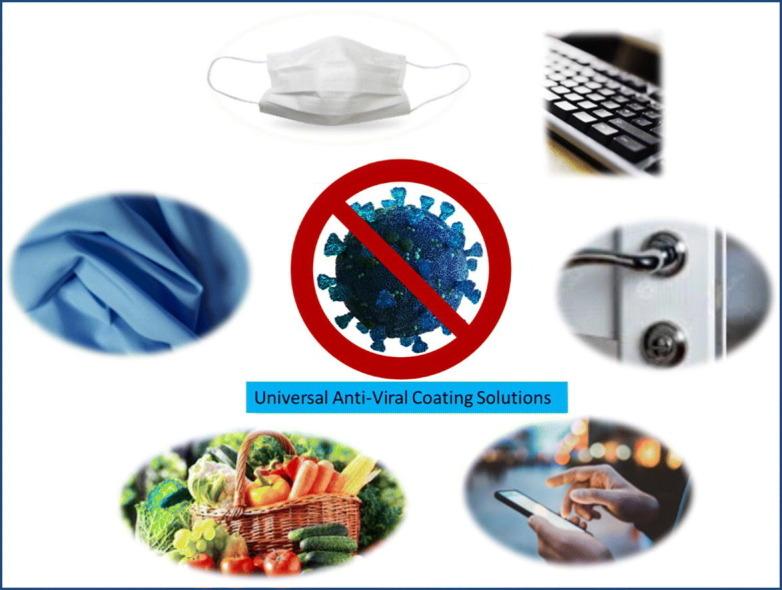
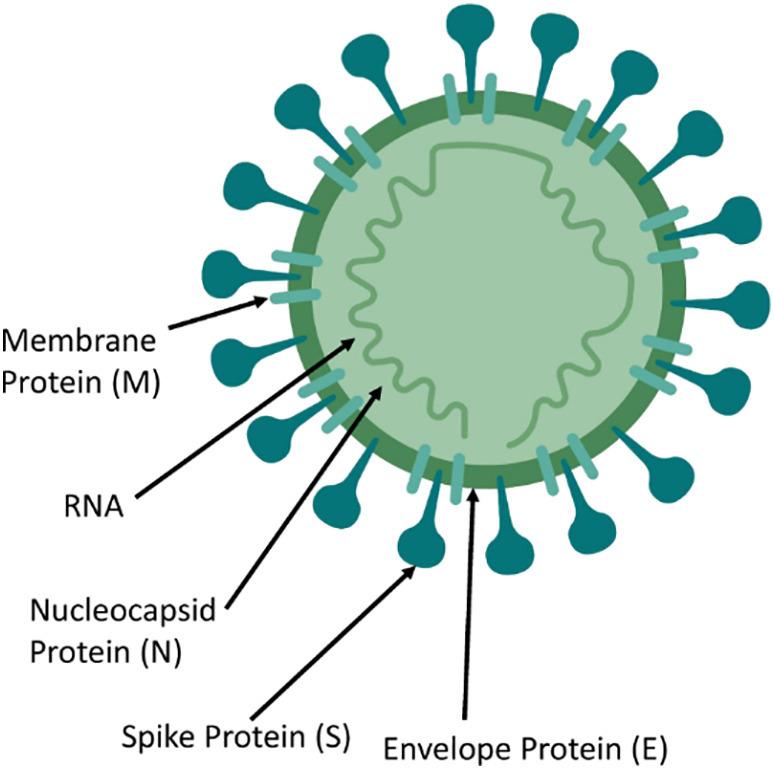
In the current scenario, there is critical global demand for the protection of daily handling surfaces from the viral contamination to limit the spread of COVID-19 infection. The nanotechnologists and material scientists offer sustainable solutions to develop antiviral surface coatings for various substrates including fabrics, plastics, metal, wood, food stuffs etc. to face current pandemic period. They create or propose antiviral surfaces by coating them with nanomaterials which interact with the spike protein of SARS-CoV-2 to inhibit the viral entry to the host cell. Such nanomaterials involve metal/metal oxide nanoparticles, hierarchical metal/metal oxide nanostructures, electrospun polymer nanofibers, graphene nanosheets, chitosan nanoparticles, curcumin nanoparticles, etched nanostructures etc. The antiviral mechanism involves the repletion (depletion) of the spike glycoprotein that anchors to surfaces by the nanocoating and makes the spike glycoprotein and viral nucleotides inactive. The nature of interaction between the nanomaterial and virus depends on the type nanostructure coating over the surface. It was found that functional coating materials can be developed using nanomaterials as their polymer nanocomposites. The various aspects of antiviral nanocoatings including the mechanism of interaction with the Corona Virus, the different type of nanocoatings developed for various substrates, future research areas, new opportunities and challenges are reviewed in this article.
在当前情况下,全球迫切需要保护日常接触表面免受病毒污染,以限制新冠病毒感染的传播。纳米技术专家和材料科学家提供了可持续的解决方案,为包括织物、塑料、金属、木材、食品等各种基材开发抗病毒表面涂层,以应对当前的疫情时期。他们通过用纳米材料涂覆来制造或提出抗病毒表面,这些纳米材料与新冠病毒的刺突蛋白相互作用,以抑制病毒进入宿主细胞。此类纳米材料包括金属/金属氧化物纳米颗粒、分级金属/金属氧化物纳米结构、电纺聚合物纳米纤维、石墨烯纳米片、壳聚糖纳米颗粒、姜黄素纳米颗粒、蚀刻纳米结构等。抗病毒机制包括纳米涂层对锚定在表面的刺突糖蛋白的补充(耗尽),使刺突糖蛋白和病毒核苷酸失活。纳米材料与病毒之间相互作用的性质取决于表面上纳米结构涂层的类型。研究发现,可以使用纳米材料作为聚合物纳米复合材料来开发功能性涂层材料。本文综述了抗病毒纳米涂层的各个方面,包括与冠状病毒相互作用的机制、为各种基材开发的不同类型的纳米涂层、未来的研究领域、新机遇和挑战。



 Zotero 插件