
体育活动、吸烟和睡眠对端粒长度的影响:观察性研究与干预性研究的系统评价
Effect of Physical Activity, Smoking, and Sleep on Telomere Length: A Systematic Review of Observational and Intervention Studies.
作者信息
Barragán Rocío, Ortega-Azorín Carolina, Sorlí Jose V, Asensio Eva M, Coltell Oscar, St-Onge Marie-Pierre, Portolés Olga, Corella Dolores
机构信息
Department of Preventive Medicine and Public Health, School of Medicine, University of Valencia, 46010 Valencia, Spain.
CIBER Fisiopatología de la Obesidad y Nutrición, Instituto de Salud Carlos III, 28029 Madrid, Spain.
出版信息
J Clin Med. 2021 Dec 24;11(1):76. doi: 10.3390/jcm11010076.
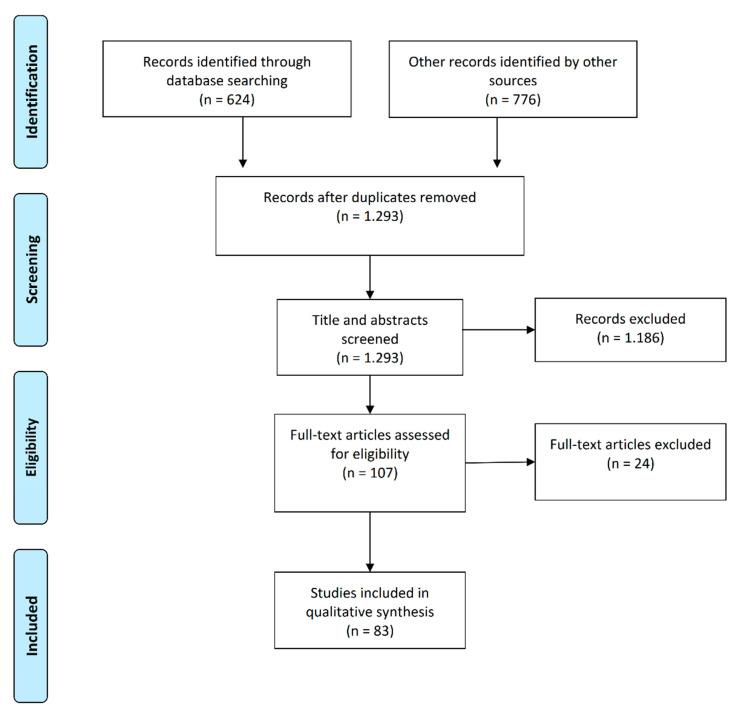
Aging is a risk factor for several pathologies, restricting one's health span, and promoting chronic diseases (e.g., cardiovascular and neurodegenerative diseases), as well as cancer. Telomeres are regions of repetitive DNA located at chromosomal ends. Telomere length has been inversely associated with chronological age and has been considered, for a long time, a good biomarker of aging. Several lifestyle factors have been linked with telomere shortening or maintenance. However, the consistency of results is hampered by some methodological issues, including study design, sample size, measurement approaches, and population characteristics, among others. Therefore, we aimed to systematically review the current literature on the effects of three relevant lifestyle factors on telomere length in human adults: physical activity, smoking, and sleep. We conducted a qualitative systematic review of observational and intervention studies using the Preferred Reporting Item for Systematic Reviews and Meta-Analysis (PRISMA) guidelines. The systematic literature search covered articles published in MEDLINE and EMBASE databases (from 2010 to 2020). A total of 1400 studies were identified; 83 were included after quality control. Although fewer sedentary activities, optimal sleep habits, and non- or ex-smoker status have been associated with less telomere shortening, several methodological issues were detected, including the need for more targeted interventions and standardized protocols to better understand how physical activity and sleep can impact telomere length and aging. We discuss the main findings and current limitations to gain more insights into the influence of these lifestyle factors on the healthy aging process.
衰老是多种疾病的风险因素,会限制人的健康寿命,促进慢性疾病(如心血管疾病和神经退行性疾病)以及癌症的发生。端粒是位于染色体末端的重复DNA区域。端粒长度与实际年龄呈负相关,长期以来一直被认为是衰老的良好生物标志物。一些生活方式因素与端粒缩短或维持有关。然而,研究结果的一致性受到一些方法学问题的阻碍,包括研究设计、样本量、测量方法和人群特征等。因此,我们旨在系统回顾当前关于三种相关生活方式因素对成年人端粒长度影响的文献:体育活动、吸烟和睡眠。我们使用系统评价和Meta分析的首选报告项目(PRISMA)指南对观察性和干预性研究进行了定性系统评价。系统文献检索涵盖了MEDLINE和EMBASE数据库(2010年至2020年)中发表的文章。共确定了1400项研究;经过质量控制后纳入了83项。尽管较少的久坐活动、最佳睡眠习惯以及不吸烟或戒烟状态与较少的端粒缩短有关,但仍发现了一些方法学问题,包括需要更多有针对性的干预措施和标准化方案,以更好地了解体育活动和睡眠如何影响端粒长度和衰老。我们讨论了主要发现和当前的局限性,以更深入地了解这些生活方式因素对健康衰老过程的影响。
 Zotero 插件