
角膜混浊:损伤后从透明到短暂混浊到瘢痕纤维化再到愈合的细胞生物学决定因素。
Corneal Opacity: Cell Biological Determinants of the Transition From Transparency to Transient Haze to Scarring Fibrosis, and Resolution, After Injury.
机构信息
Cole Eye Institute, Cleveland Clinic, Cleveland, Ohio, United States.
Department of Ophthalmology, University of Sao Paulo, Sao Paulo, Brazil.
出版信息
Invest Ophthalmol Vis Sci. 2022 Jan 3;63(1):22. doi: 10.1167/iovs.63.1.22.
PURPOSE
To highlight the cellular, matrix, and hydration changes associated with opacity that occurs in the corneal stroma after injury.
METHODS
Review of the literature.
RESULTS
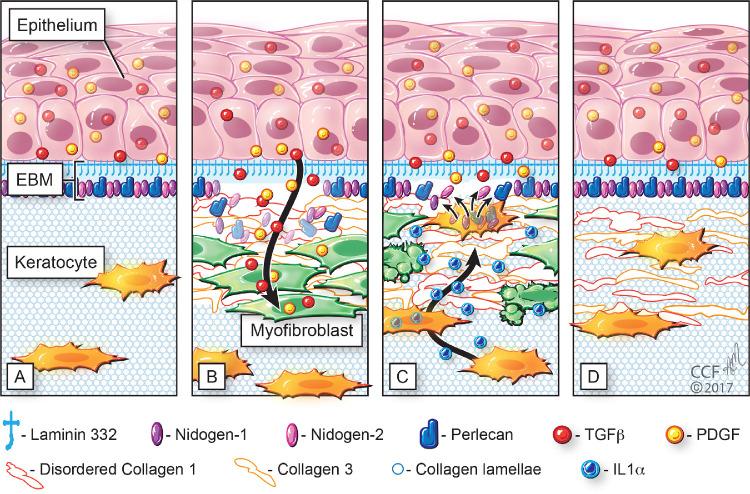
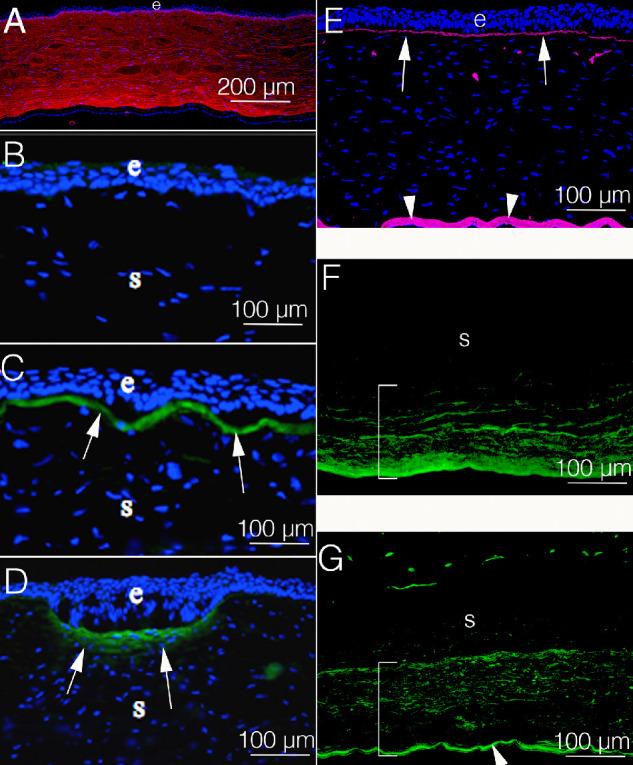
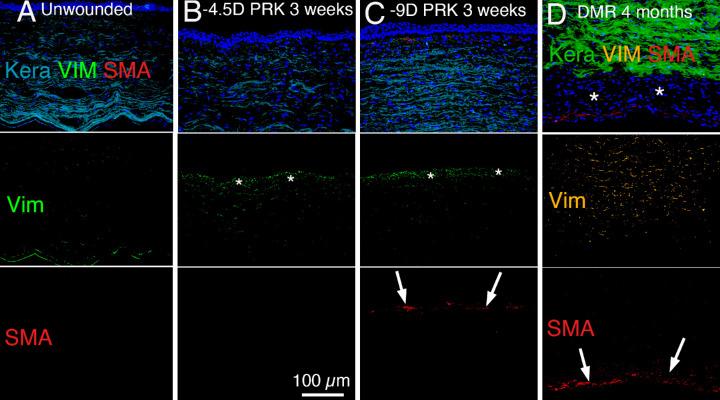
The regulated transition of keratocytes to corneal fibroblasts and myofibroblasts, and of bone marrow-derived fibrocytes to myofibroblasts, is in large part modulated by transforming growth factor beta (TGFβ) entry into the stroma after injury to the epithelial basement membrane (EBM) and/or Descemet's membrane. The composition, stoichiometry, and organization of the stromal extracellular matrix components and water is altered by corneal fibroblast and myofibroblast production of large amounts of collagen type I and other extracellular matrix components-resulting in varying levels of stromal opacity, depending on the intensity of the healing response. Regeneration of EBM and/or Descemet's membrane, and stromal cell production of non-EBM collagen type IV, reestablishes control of TGFβ entry and activity, and triggers TGFβ-dependent myofibroblast apoptosis. Eventually, corneal fibroblasts also disappear, and repopulating keratocytes reorganize the disordered extracellular matrix to reestablish transparency.
CONCLUSIONS
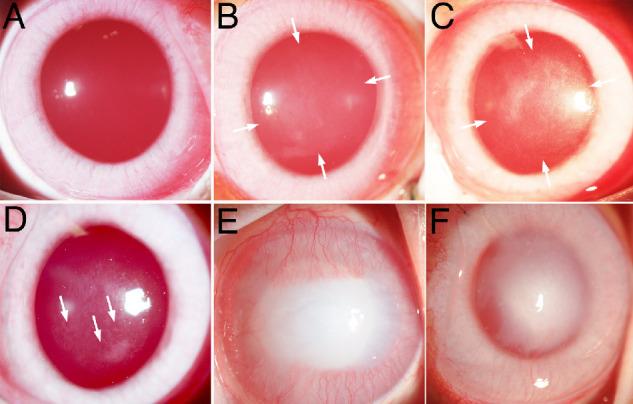
Injuries to the cornea produce varying amounts of corneal opacity depending on the magnitude of cellular and molecular responses to injury. The EBM and Descemet's membrane are key regulators of stromal cellularity through their modulation of TGFβ. After injury to the cornea, depending on the severity of the insult, and possibly genetic factors, trace opacity to severe scarring fibrosis develops. Stromal cellularity, and the functions of different cell types, are the major determinants of the level of the stromal opacity.
目的
强调角膜基质在损伤后发生混浊时所涉及的细胞、基质和水合变化。
方法
文献回顾。
结果
角膜基质中细胞的调控性转变,包括角膜基质细胞向成纤维细胞和肌成纤维细胞的转变,以及骨髓来源的成纤维细胞向肌成纤维细胞的转变,在很大程度上受到转化生长因子β(TGFβ)进入基质的调节,这种进入是在角膜上皮基底膜(EBM)和/或Descemet 膜损伤后发生的。基质细胞外基质成分的组成、化学计量和组织以及水的变化,是由角膜成纤维细胞和肌成纤维细胞大量产生 I 型胶原和其他细胞外基质成分引起的,这导致了基质混浊程度的不同,取决于愈合反应的强度。EBM 和/或 Descemet 膜的再生,以及基质细胞非 EBM 胶原 IV 的产生,重新控制了 TGFβ 的进入和活性,并触发 TGFβ 依赖性肌成纤维细胞凋亡。最终,角膜成纤维细胞也消失了,重新填充的角膜基质细胞重新组织紊乱的细胞外基质,以恢复透明度。
结论
角膜损伤会产生不同程度的角膜混浊,这取决于对损伤的细胞和分子反应的强度。EBM 和 Descemet 膜通过调节 TGFβ 来调节基质细胞数量。角膜损伤后,取决于损伤的严重程度和可能的遗传因素,会从轻微混浊发展为严重的瘢痕纤维化。基质细胞数量以及不同细胞类型的功能是决定基质混浊程度的主要因素。



 Zotero 插件