
解决塑料污染问题的成本和效果评估综述。
A review of the cost and effectiveness of solutions to address plastic pollution.
机构信息
International Water Management Institute, PMB CT 112, Cantonments, Accra, Ghana.
出版信息
Environ Sci Pollut Res Int. 2022 Apr;29(17):24547-24573. doi: 10.1007/s11356-021-18038-5. Epub 2022 Jan 23.
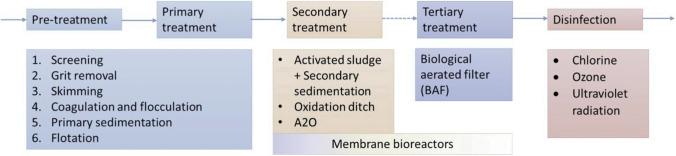
Plastic usage increases year by year, and the growing trend is projected to continue. However as of 2017, only 9% of the 9 billion tons of plastic ever produced had been recycled leaving large amounts of plastics to contaminate the environment, resulting in important negative health and economic impacts. Curbing this trend is a major challenge that requires urgent and multifaceted action. Based on scientific and gray literature mainly published during the last 10 years, this review summarizes key solutions currently in use globally that have the potential to address at scale the plastic and microplastic contaminations from source to sea. They include technologies to control plastics in solid wastes (i.e. mechanical and chemical plastic recycling or incineration), in-stream (i.e. booms and clean-up boats, trash racks, and sea bins), and microplastics (i.e. stormwater, municipal wastewater and drinking water treatment), as well as general policy measures (i.e. measures to support the informal sector, bans, enforcement of levies, voluntary measures, extended producer responsibility, measures to enhance recycling and guidelines, standards and protocols to guide activities and interventions) to reduce use, reuse, and recycle plastics and microplastics in support of the technological options. The review discusses the effectiveness, capital expenditure, and operation and maintenance costs of the different technologies, the cost of implementation of policy measures, and the suitability of each solution under various conditions. This guidance is expected to help policymakers and practitioners address, in a sustainable and cost-efficient way, the plastic and microplastic management problem using technologies and policy instruments suitable in their local context.
塑料的使用量逐年增加,预计这一增长趋势还将持续。然而,截至 2017 年,在已生产的 90 亿吨塑料中,仅有 9%被回收,大量塑料污染了环境,对健康和经济造成了重大负面影响。遏制这一趋势是一项重大挑战,需要采取紧急和多方面的行动。本综述基于过去 10 年主要发表的科学和灰色文献,总结了目前全球范围内正在使用的关键解决方案,这些方案有可能从源头到海洋大规模解决塑料和微塑料污染问题。这些方案包括控制固体废物(即机械和化学塑料回收或焚烧)、流(即拦污栅和清污船、拦污栅和海箱)和微塑料(即雨水、城市废水和饮用水处理)中塑料和微塑料的技术,以及一般政策措施(即支持非正规部门的措施、禁令、征收费用的执行、自愿措施、生产者责任延伸、增强回收的措施以及指导活动和干预的准则、标准和议定书),以减少塑料和微塑料的使用、再利用和回收,从而支持技术选择。本综述讨论了不同技术的有效性、资本支出和运营维护成本、政策措施的实施成本,以及在各种情况下每种解决方案的适用性。预计本指南将有助于决策者和从业者以可持续和具有成本效益的方式,利用适合其当地情况的技术和政策手段,解决塑料和微塑料管理问题。

 Zotero 插件