
爱尔兰基于运动的心脏康复计划参与障碍和动机:一项定性研究。
Barriers to and motives for engagement in an exercise-based cardiac rehabilitation programme in Ireland: a qualitative study.
机构信息
School of Medicine, University of Limerick, Limerick, Ireland.
Department of Physical Education and Sports Sciences, University of Limerick, Limerick, Ireland.
出版信息
BMC Prim Care. 2022 Feb 11;23(1):28. doi: 10.1186/s12875-022-01637-7.
BACKGROUND
Insufficient physical activity (PA) is a leading risk factor for premature death worldwide. Ireland's public healthcare system, the Health Service Executive (HSE), has supported the development of the National Exercise Referral Framework (NERF) to tackle low levels of PA amongst those with non-communicable diseases (NCDs). 'NERF centres' are medically supervised PA programmes across Ireland that have established referral pathways with local hospitals and general practitioners. ULMedX is one such NERF centre offering exercise-based cardiac rehabilitation (EBCR) with the aim of intervention development to reduce early drop-out and maximise adherence for optimal health benefits.
AIM
The purpose of this research was to identify the major factors influencing participants' adherence and early drop-out at ULMedX. Exploring areas for future development were also prioritised.
DESIGN & SETTING: Qualitative interviews were conducted with long-term attenders and people who have dropped out (PWDO) from ULMedX.
METHODS
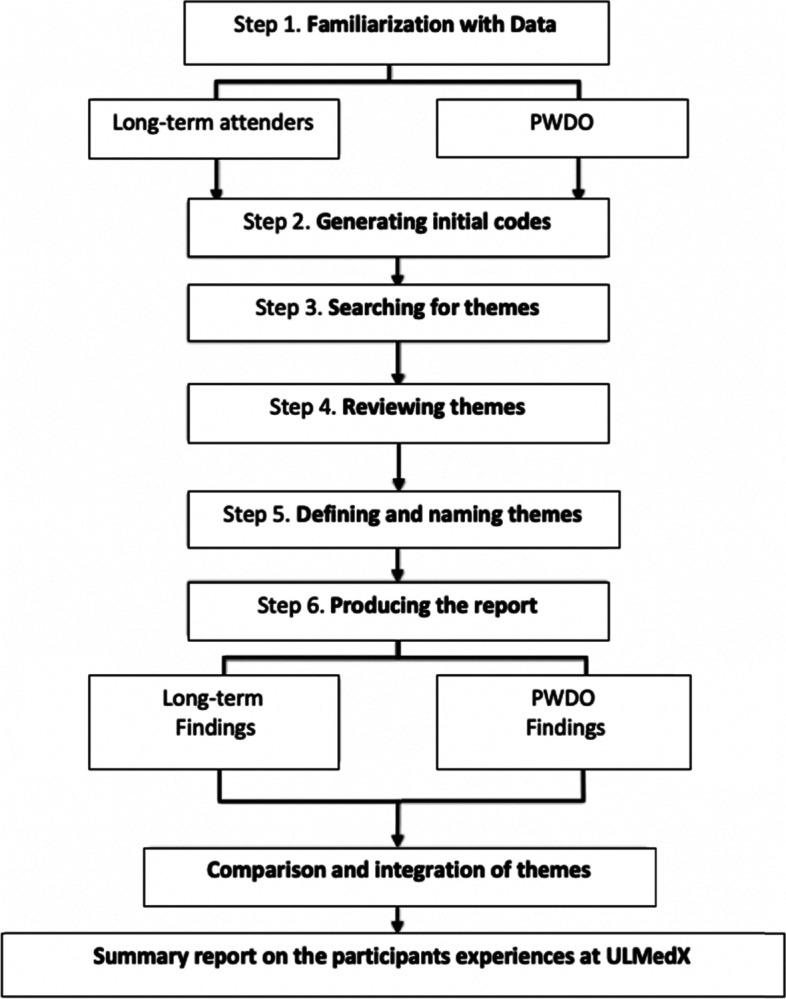
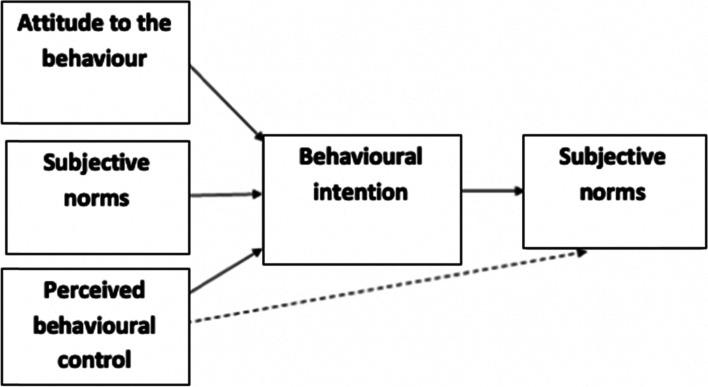
Guided by the Theory of Planned Behaviour the 1-1 semi-structured interviews were performed, transcribed, and evaluated through thematic analysis.
RESULTS
Analysis was performed on 14 participants (50% female; mean age 67.3 years), comprising long-term attenders (n = 7; 13-month duration, 64% of classes) and PWDO (n = 7; 2.8-month duration, 22% of classes). Three major factors affecting adherence and drop-out were identified: social support, perceived outcomes from participation and practical barriers to attendance. Areas for future development included the provision of evening and advanced classes, psychological support, more exercise variety, more educational seminars and new members start as their own group.
CONCLUSION
The findings suggest participants at ULMedX are more likely to have had a better experience and commit to the programme if they believed involvement would benefit their physical and mental health, increase their exercise motivation by engendering a positive attitude to exercise, and that the ability to attend was within their control. Future interventions at ULMedX should have their structures centred around these motives for engagement. ULMedX should also test the participant recommendations to overcome the common barriers to adherence.
背景
体力活动不足是全球导致过早死亡的主要风险因素之一。爱尔兰的公共医疗保健系统——卫生服务行政局(HSE),支持制定国家运动转介框架(NERF),以解决患有非传染性疾病(NCD)人群的体力活动不足问题。“NERF 中心”是爱尔兰各地的医疗监督体力活动项目,这些项目与当地医院和全科医生建立了转介途径。ULMedX 就是这样一个 NERF 中心,提供基于运动的心脏康复(EBCR),旨在通过干预开发来减少早期退出率,提高依从性,以实现最佳健康效益。
目的
本研究旨在确定影响 ULMedX 参与者依从性和早期退出的主要因素,并确定未来发展的重点领域。
设计与设置
对 ULMedX 的长期参与者和退出者(PWDO)进行了定性访谈。
方法
根据计划行为理论,对 1-1 半结构化访谈进行了操作,对访谈记录进行了转录,并通过主题分析进行了评估。
结果
对 14 名参与者(50%为女性;平均年龄 67.3 岁)进行了分析,其中包括长期参与者(n=7;持续时间 13 个月,参加课程的 64%)和 PWDO(n=7;持续时间 2.8 个月,参加课程的 22%)。确定了影响依从性和退出的三个主要因素:社会支持、参与的预期结果和参加的实际障碍。未来发展的领域包括提供晚间和高级课程、心理支持、更多的运动多样性、更多的教育研讨会以及新成员作为自己的团体开始。
结论
研究结果表明,如果参与者相信参与将有益于他们的身心健康,通过培养积极的运动态度来提高他们的运动动机,并认为能够参加是在他们的控制范围内,那么他们在 ULMedX 参与的体验会更好,并更有可能承诺参加该计划。未来 ULMedX 的干预措施应该以这些参与动机为中心。ULMedX 还应该测试参与者的建议,以克服常见的依从性障碍。
 Zotero 插件