
当前和新的挑战在管理胰腺神经内分泌肿瘤: miRNA 为基础的方法的作用作为新的可靠的生物标志物。
Current and New Challenges in the Management of Pancreatic Neuroendocrine Tumors: The Role of miRNA-Based Approaches as New Reliable Biomarkers.
机构信息
Department of Medical Oncology, The Oncology Institute "Prof. Dr. Ion Chiricuta", 400015 Cluj-Napoca, Romania.
11th Department of Medical Oncology, University of Medicine and Pharmacy "Iuliu Hatieganu", 400015 Cluj-Napoca, Romania.
出版信息
Int J Mol Sci. 2022 Jan 20;23(3):1109. doi: 10.3390/ijms23031109.
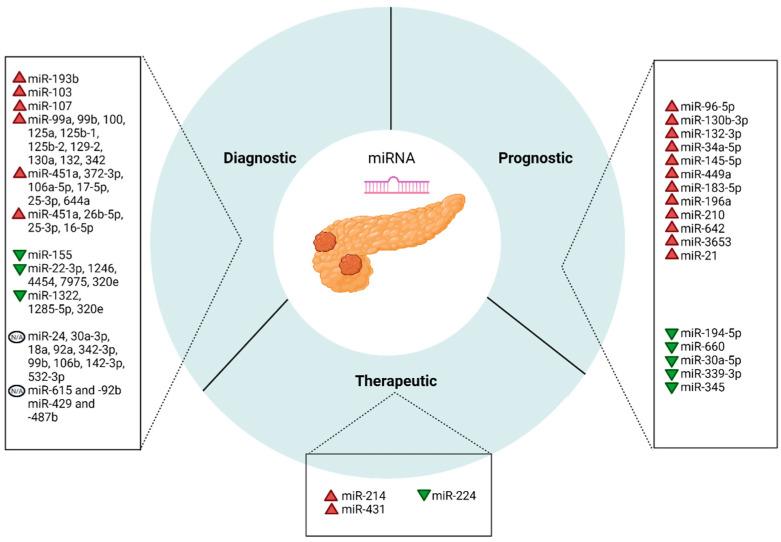
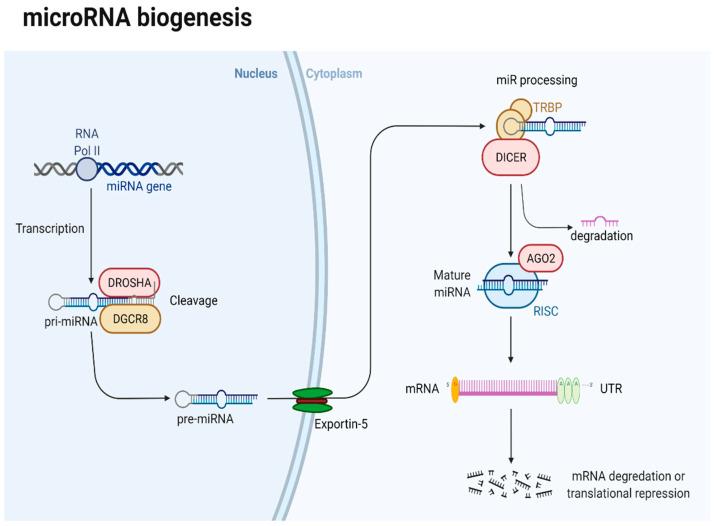
Pancreatic neuroendocrine tumors (PanNETs) are rare tumors; however, their incidence greatly increases with age, and they occur more frequently among the elderly. They represent 5% of all pancreatic tumors, and despite the fact that low-grade tumors often have an indolent evolution, they portend a poor prognosis in an advanced stages and undifferentiated tumors. Additionally, functional pancreatic neuroendocrine tumors greatly impact quality of life due to the various clinical syndromes that result from abnormal hormonal secretion. With limited therapeutic and diagnostic options, patient stratification and selection of optimal therapeutic strategies should be the main focus. Modest improvements in the management of pancreatic neuroendocrine tumors have been achieved in the last years. Therefore, it is imperative to find new biomarkers and therapeutic strategies to improve patient survival and quality of life, limiting the disease burden. MicroRNAs (miRNAs) are small endogenous molecules that modulate the expression of thousands of genes and control numerous critical processes involved in tumor development and progression. New data also suggest the implication of miRNAs in treatment resistance and their potential as prognostic or diagnostic biomarkers and therapeutic targets. In this review, we discusses the current and new challenges in the management of PanNETs, including genetic and epigenetic approaches. Furthermore, we summarize the available data on miRNAs as potential prognostic, predictive, or diagnostic biomarkers and discuss their function as future therapeutic targets.
胰腺神经内分泌肿瘤(PanNETs)是罕见的肿瘤;然而,随着年龄的增长,其发病率大大增加,在老年人中更为常见。它们占所有胰腺肿瘤的 5%,尽管低级别肿瘤通常具有惰性的演变,但在晚期和未分化肿瘤中预示着预后不良。此外,功能性胰腺神经内分泌肿瘤由于异常激素分泌导致的各种临床综合征,极大地影响了生活质量。由于治疗和诊断选择有限,患者分层和选择最佳治疗策略应该是主要关注点。在过去的几年中,胰腺神经内分泌肿瘤的治疗管理取得了适度的改善。因此,必须找到新的生物标志物和治疗策略,以改善患者的生存和生活质量,减轻疾病负担。微小 RNA(miRNA)是调节数千个基因表达的小内源性分子,控制着肿瘤发生和发展的许多关键过程。新数据还表明 miRNA 在治疗耐药性中的作用及其作为预后或诊断生物标志物和治疗靶点的潜力。在这篇综述中,我们讨论了 PanNETs 管理中的当前和新挑战,包括遗传和表观遗传方法。此外,我们总结了 miRNA 作为潜在的预后、预测或诊断生物标志物的现有数据,并讨论了它们作为未来治疗靶点的功能。
 Zotero 插件